
How to Maintain Polished Parquet Floors in Singapore
In this article
- Key Takeaways
- Table of Contents
- Understanding Parquet Vulnerability in a Tropical Climate
- Your Step-by-Step Daily and Weekly Maintenance Routine
- Essential Do's and Don'ts for Long-Lasting Shine
- Signs Your Parquet Requires Professional Restoration
- Professional Parquet Polishing: The Athena Excellence
- Securing the Future of Your Parquet Elegance
- Frequently Asked Questions
Did you realize that your parquet floors are essentially breathing the humid Singapore air, absorbing moisture until they reach a staggering 18% internal water content? It's natural to feel an immense sense of pride in that warm, mirror-like finish, but it's equally stressful when you notice the first signs of cupping or a stray furniture scratch. You want to protect your home's elegance, yet the conflicting advice on safe cleaners and the constant fear of accidental water damage can make daily maintenance feel like a high-stakes guessing game.
The good news is that you can master how to maintain polished parquet floors without the constant worry of warping or dulling the wood's sophisticated glow. This guide provides the expert-approved routines you need to preserve that premium surface while navigating the unique challenges of our tropical climate. We'll explore the critical balance of humidity control, identify which common household cleaners to avoid at all costs, and clarify exactly when a simple DIY touch-up is enough versus when it's time to call in a restoration specialist for a total environment elevation.
Key Takeaways
- Discover why managing indoor humidity is the essential first step to preventing wood warping and preserving your floor's structural integrity.
- Master a safe, moisture-free cleaning routine using microfiber tools to learn how to maintain polished parquet floors without the risk of water damage.
- Protect your floor's delicate finish by identifying which common household chemicals, such as vinegar and bleach, can permanently dull the wood's shine.
- Learn how to perform the "Water Bead Test" to accurately determine if your floor's protective seal is still effective or requires professional attention.
- Understand the transformative benefits of expert restoration when daily maintenance is no longer sufficient to address deep scratches or visible wear.
Understanding Parquet Vulnerability in a Tropical Climate
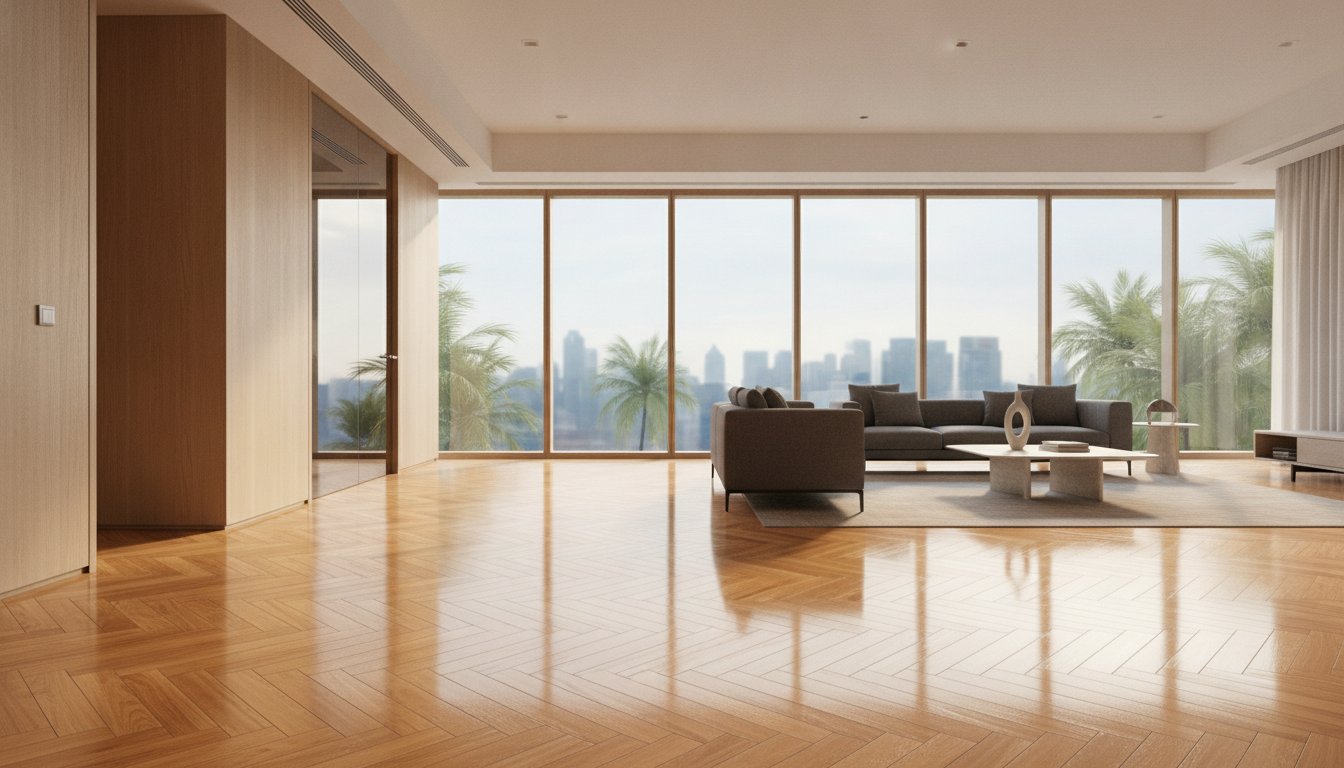
Parquet is a sophisticated mosaic of natural timber pieces, each possessing its own unique grain and character. While it offers an unparalleled sense of warmth and elegance, it is also a living material that reacts to its environment. In Singapore, where the average relative humidity remains a high 84%, your floors are under constant environmental pressure. Learning how to maintain polished parquet floors begins with recognizing that wood is hygroscopic, meaning it continuously absorbs and releases moisture to reach equilibrium with the surrounding air.
This moisture exchange leads to two common structural issues: cupping and crowning. Cupping happens when the underside of the timber strip absorbs more moisture than the surface, causing the edges to curl upward. Crowning is the opposite, where the center of the board arches higher than the edges. These aren't just aesthetic flaws; they are signs that the wood's internal moisture content has shifted significantly from the ideal 8% to 10% range. Without a precise maintenance routine, these shifts can lead to permanent warping or buckling.
The Impact of Moisture and Thermal Expansion
The transition between natural tropical heat and air-conditioned interiors creates a rigorous cycle of expansion and contraction. When the air conditioning is running, the wood contracts as the air dries. When it's switched off, the wood expands as humidity returns. This constant movement can cause "gapping," where fine cracks appear between the strips and trap tropical dust. To preserve stability, aim for a consistent indoor environment. Avoid using rubber-backed rugs, which are notorious for trapping moisture against the wood and causing dark, unsightly stains or chemical reactions with the finish.
Anatomy of a Polished Finish
Your floor's protective seal acts as a vital barrier against liquid penetration and surface wear. Most Singaporean residences feature polyurethane coatings, though some may have older wax or oil-based finishes. A high-quality polyurethane topcoat provides a mirror-like shine and high durability, but it's not invincible. Understanding how to maintain polished parquet floors involves monitoring this seal for signs of thinning. If the floor appears dull in high-traffic zones or if scratches have penetrated through to the timber, the protective layer has likely worn down, leaving the raw wood vulnerable to the elements.
Your Step-by-Step Daily and Weekly Maintenance Routine
Consistency is the secret to a floor that looks as stunning on its tenth anniversary as it did on day one. If you're committed to learning how to maintain polished parquet floors, you must shift your perspective from reactive cleaning to proactive preservation. In our tropical environment, the accumulation of fine dust and grit is relentless. These particles don't just sit on the surface; they act as an abrasive, slowly eroding the protective seal every time someone walks across the room.
Daily Debris and Grit Management
Microscopic sand and soil are your floor’s greatest enemies. These sharp-edged minerals function like sandpaper, creating hairline scratches that eventually dull the mirror-like finish. To combat this, daily debris removal is non-negotiable. Use a vacuum cleaner equipped with a soft-bristle hardwood attachment or a dedicated felt-bottomed brush. Avoid vacuums with beater bars, as these can leave permanent marks on the timber. Additionally, place high-quality entrance mats at every doorway to capture a significant portion of outdoor contaminants before they reach your living space.
Safe Mopping Procedures
Water is a necessary tool for hygiene, yet it remains a dangerous element for timber. The golden rule of parquet care is to never use excessive water. Traditional cotton mops are often too heavy and retain far too much liquid, which can seep into the joints and cause the wood to swell or pop. Microfiber mops are the superior choice because their dense fibers lift grime with minimal moisture. This approach ensures you don't compromise the structural integrity of the wood while achieving a pristine clean.
When you perform your weekly deep clean, utilize a pH-neutral cleaning solution specifically formulated for wood surfaces. Avoid generic floor cleaners that might leave a sticky residue or strip the varnish. Use the "mist-and-mop" method by lightly spraying the solution onto the microfiber pad rather than the floor itself. Your mop should be so lightly dampened that the wood surface dries almost instantly, leaving no visible streaks or standing droplets behind. This dry-damp technique prevents pooling and protects the delicate adhesive bonds beneath the timber strips.
Maintaining this level of detail ensures your home remains a sanctuary of elegance and well-being. If your floors have already suffered from years of heavy traffic, a professional parquet floor polishing can bridge the gap between routine care and total restoration, bringing back a level of clarity that standard cleaning simply cannot reach.
Essential Do's and Don'ts for Long-Lasting Shine
Prevention represents the most effective strategy for preserving the integrity of your timber. While daily cleaning is vital, avoiding common pitfalls is equally essential for anyone learning how to maintain polished parquet floors. Many people mistakenly believe that harsh chemicals or vintage polishing techniques are necessary for a deep clean, but these methods often lead to irreversible damage. A disciplined approach to what you avoid is just as valuable as the cleaning itself.
Avoid the temptation to use "natural" remedies like vinegar or aggressive cleaners like bleach. Vinegar is highly acidic and will gradually etch the surface of your polyurethane seal, leading to a cloudy, lackluster appearance. Bleach is similarly destructive, stripping the wood of its natural oils and causing brittle fibers. Additionally, modern parquet is typically sealed with a durable polyurethane topcoat, which means traditional waxing is unnecessary. Applying wax over a synthetic seal creates a sticky, dull film that traps dirt and makes professional restoration much more difficult.
Sunlight management is another critical factor in our tropical climate. Intense UV rays cause photo-oxidation, which leads to uneven fading or darkening of the wood grain over time. To protect your investment, use sheer curtains or UV-filtering window films in rooms that receive direct afternoon sun. This simple step allows you to enjoy natural light without compromising the vibrancy and color consistency of your floor's finish.
Prohibited Chemicals and Tools
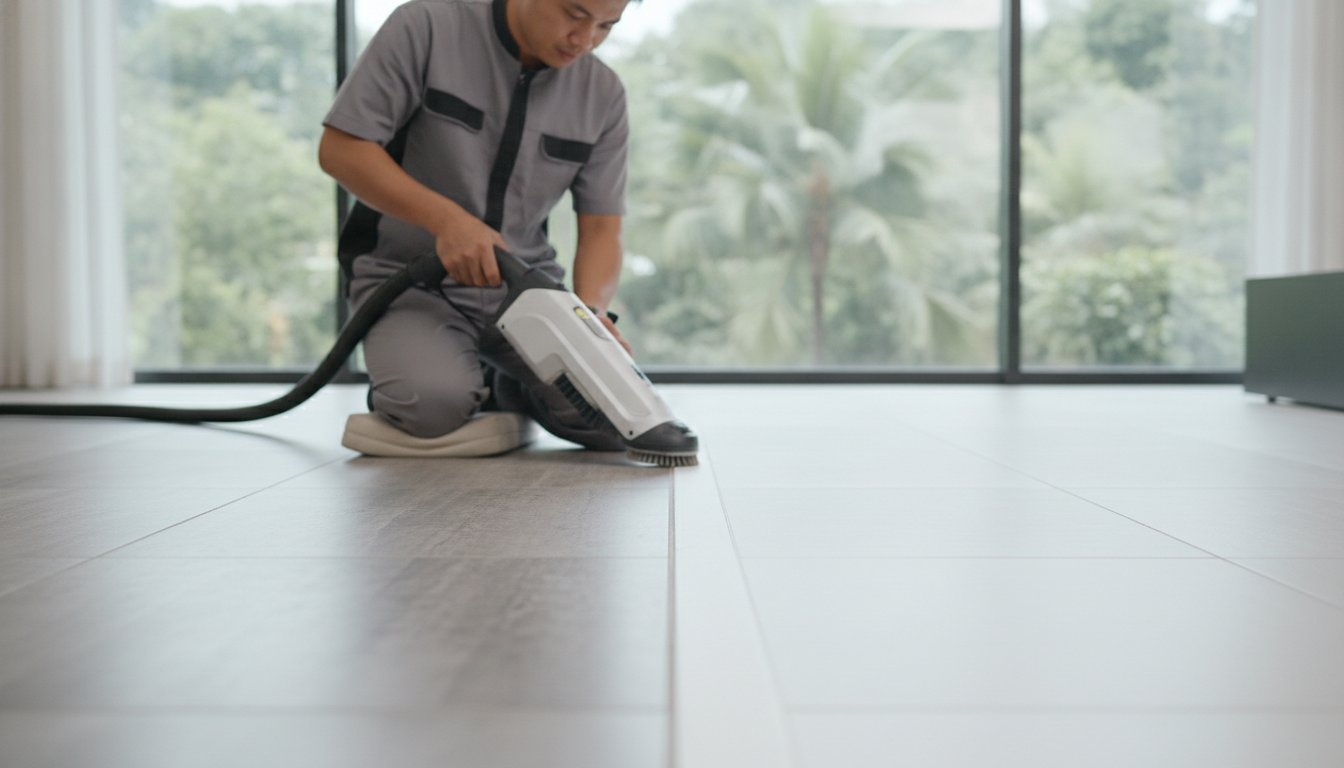
Ammonia-based solutions are frequently found in multi-surface cleaners, yet they are far too corrosive for delicate wood varnish. They break down the chemical bonds of the protective seal, leaving the timber exposed to moisture and grit. Steam mops are also strictly forbidden for parquet maintenance. The combination of high heat and pressurized moisture forces water deep into the wood grain and between the joints, leading to the cupping and warping discussed earlier. Always opt for soft polishing cloths and avoid abrasive scouring pads that leave permanent micro-scratches on the polish.
Strategic Furniture and Pet Management
Heavy furniture exerts significant pressure on small surface areas. Implement high-quality felt protectors on all furniture legs to distribute weight and prevent permanent indentations. Regarding pets, keep claws trimmed to minimize surface scratches, especially on softer timber varieties like teak. Never drag furniture across the room. Instead, lift pieces entirely or use dedicated furniture sliders to safeguard the polished surface from deep, unsightly gouges. Implementing these disciplined habits is a cornerstone of how to maintain polished parquet floors successfully and ensuring your space remains a testament to excellence.

Signs Your Parquet Requires Professional Restoration
Even when you have mastered how to maintain polished parquet floors through diligent daily care, the natural passage of time and heavy foot traffic will eventually necessitate professional intervention. It's essential to distinguish between minor surface dullness and structural vulnerabilities that could compromise the timber. In Singapore's climate, a floor typically requires a light maintenance buffing every two to three years, while a full restoration is often needed every seven to ten years.
Look for these specific indicators that your floor needs expert attention:
- Graying or Darkening: This suggests the protective seal has worn through, allowing dirt and moisture to penetrate the wood fibers.
- Deep Gouges: Scratches that have bypassed the varnish and reached the raw timber cannot be resolved with simple cleaning.
- Gapping and Popping: Visible spaces between blocks or "popping" sounds when walking indicate adhesive failure or extreme humidity-driven contraction.
- Tactile Roughness: If the floor feels splintered or abrasive despite being clean, the wood grain is likely exposed.
To verify your floor's integrity, perform the "Water Bead Test." Place a single droplet of water on a high-traffic area. If the water remains beaded on the surface, your protective seal is still performing its duty. If the water soaks into the timber and darkens the wood grain within minutes, the seal has failed. Moisture is now a direct threat to the wood's structural stability, and immediate resealing is required.
The Restoration Process: What to Expect
Modern restoration has evolved significantly, prioritizing both precision and homeowner convenience. We now utilize dust-free sanding technology equipped with HEPA-filtered containment systems. This advancement eliminates airborne sawdust from settling in your air conditioning units or soft furnishings, making the process far cleaner than traditional methods. You'll typically choose between water-based polyurethanes, which offer ultra-low VOC levels and faster drying times, and oil-based options that provide a traditional amber glow but require longer curing periods.
The Value of Professional Intervention
DIY sanding is a high-risk endeavor that often results in uneven surfaces and permanent thinning of the timber strips. Achieving a flawless, uniform finish requires industrial-grade equipment and the disciplined eye of a specialist. Consulting a professional cleaning company in Singapore allows for a comprehensive assessment of your floor's condition before minor issues become costly repairs. For those seeking a total elevation of their home environment, a professional parquet floor polishing service provides the expertise needed to restore that original, mirror-like clarity safely.
Professional Parquet Polishing: The Athena Excellence
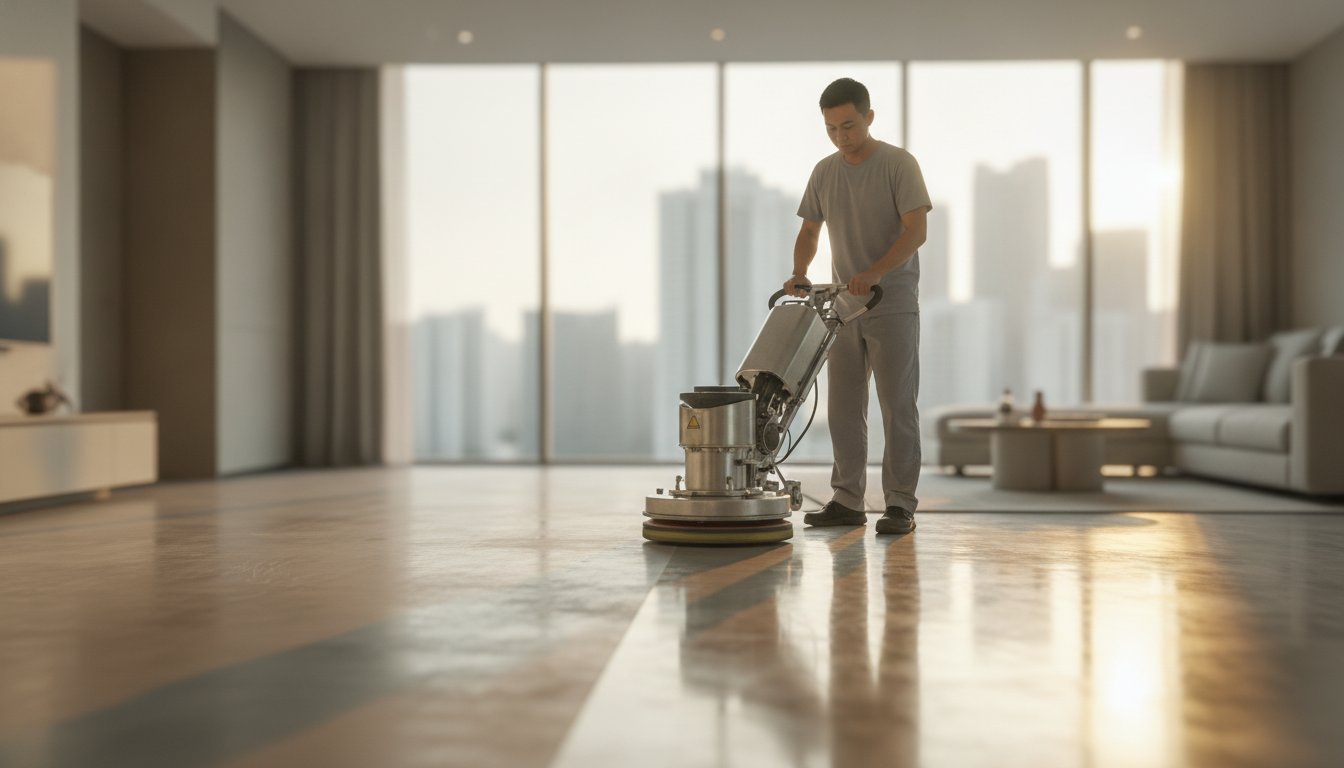
Athena Team Cleaning transforms the technical necessity of floor care into an art form. We understand that your home is a sanctuary, and the floor serves as its foundation. While your daily routine is essential, our professional intervention provides the deep, structural restoration that standard cleaning cannot achieve. We take immense pride in our craft, ensuring that every timber strip is treated with the precision and respect it deserves. Excellence isn't an accident; it's the result of a disciplined approach to restoration that respects the natural character of your timber while providing a shield against the tropical elements.
Our process moves beyond simple maintenance to offer a complete elevation of your living space. We utilize premium materials and expert-approved techniques to restore the clarity of your wood grain. This commitment to excellence ensures that the mirror-like finish you admire isn't just temporary but is built to endure Singapore's demanding climate. By partnering with a dedicated specialist, you regain the peace of mind that comes from a meticulously maintained home. You've already learned how to maintain polished parquet floors through consistent daily habits, and our team is here to provide the long-term protection those habits deserve.
Tailored Solutions for Every Parquet Type
Every wood species requires a unique approach to restoration. Whether your home features the rich, oil-dense grains of Burmese Teak or the subtle, contemporary textures of White Oak, we adapt our techniques to suit the material's specific needs. We customize our varnishing levels to match your aesthetic preferences, offering everything from a high-gloss brilliance to a sophisticated, understated matte sheen. Our comprehensive service doesn't stop at the surface. We incorporate thorough disinfection and cleaning to ensure your environment is as healthy and fresh as it is visually stunning.
Taking the Next Step Toward Floor Perfection
Transitioning from daily maintenance to professional restoration is a seamless experience with our team. As a reliable, national cleaning service, we provide the organization and discipline necessary for a stress-free project. We remove the burden of maintenance from your shoulders, allowing you to focus on enjoying your elevated space. Our specialists guide you through the assessment process, ensuring you understand the technical needs of your floor before we begin our work. We invite you to request a specialized quote to begin the journey of restoring your floor's original splendor and clarity.
Elevate your home environment today with Athena's expert touch and experience the transformative power of professional parquet floor polishing. Let us restore the brilliance of your space with the precision and care that only a dedicated specialist can provide.
Securing the Future of Your Parquet Elegance
Preserving the mirror-like clarity of your timber requires a disciplined blend of environmental control and precise cleaning habits. By mastering how to maintain polished parquet floors, you protect your home's aesthetic foundation from the unique pressures of Singapore's humidity and daily wear. Remember that consistent grit removal and the mist-and-mop technique are your primary defenses against premature dulling. These small, daily actions ensure that your living space remains a sanctuary of sophistication and comfort.
However, when surface scratches deepen or the protective seal fails the Water Bead Test, professional intervention is the only way to ensure total renewal. As a trusted national service provider, Athena Team Cleaning brings meticulous attention to detail and expert technicians specialized in parquet varnishing to every project. We take immense pride in elevating your environment to a premium state through technical floor restoration and specialized care. Restore your floor's natural glow with Athena's professional parquet polishing. Your floors are a significant investment in your well-being; don't settle for anything less than the expert care they deserve to shine for years to come.
Frequently Asked Questions
Can I use a steam mop on my polished parquet floors?
No, you should never use a steam mop on parquet floors. The intense heat and pressurized steam force moisture deep into the wood grain and between the joints. This process often leads to cupping, warping, and the eventual failure of the adhesive bonds beneath the timber. Instead, stick to a dry-damp microfiber mop and a pH-neutral cleaner to ensure your floor's structural integrity remains intact over the long term.
How often should I have my parquet floors professionally polished?
In high-traffic zones like living rooms or hallways, a light maintenance buffing is typically required every two to three years. For a full sanding and restoration, most Singaporean homes find a seven to ten year cycle ideal. This professional routine is a vital part of how to maintain polished parquet floors effectively. Regular assessments help you identify when the protective seal has worn thin before the raw timber suffers permanent damage.
Is it safe to use vinegar and water to clean wood floors?
It's not safe to use vinegar and water solutions on wood floors. Vinegar is highly acidic and will gradually etch the surface of your polyurethane finish, causing it to look cloudy or milky over time. This chemical reaction breaks down the protective barrier that keeps moisture out. For safe results, always utilize a dedicated, pH-neutral timber cleaner that lifts dirt without compromising the chemical bonds of your floor's polished finish.
What should I do immediately if I spill water on my parquet?
You must act immediately by blotting the liquid with a clean, dry microfiber cloth. Don't use a scrubbing motion, as this can push water into the gaps between the parquet fingers. Once the surface is dry, you can use a fan or dehumidifier to remove any residual moisture from the air. Prompt action is the most effective way to prevent the wood from swelling, which often leads to "popping" or loose blocks.
What is the difference between parquet polishing and parquet varnishing?
Parquet polishing usually refers to a non-invasive buffing process that restores surface shine to an existing finish. In contrast, varnishing is a more intensive restoration that involves sanding the wood down to its raw state and applying new layers of protective coating. While polishing addresses minor scuffs, varnishing is necessary when scratches have penetrated the wood or when the previous seal has completely failed and the wood grain is exposed.
How do I remove deep scratches from my parquet floor?
Deep scratches that have reached the raw timber cannot be removed through simple cleaning or buffing. These gouges require a professional restoration process where the floor is sanded down using specialized equipment to create a uniform surface. After sanding, new layers of varnish are applied to seal the wood. This procedure is a core component of how to maintain polished parquet floors when daily care is no longer sufficient to mask visible wear.
Are the chemicals used in parquet polishing safe for pets and children?
Modern professional restoration services prioritize safety by using water-based, low-VOC (Volatile Organic Compounds) varnishes. These premium coatings are significantly safer for pets and children as they emit minimal odors and fewer toxic fumes compared to traditional solvent-based finishes. We recommend choosing these eco-friendly options to ensure your home environment remains healthy and fresh. Always ensure the area is well-ventilated during the initial application and drying phases for maximum peace of mind.
How long do I need to wait before walking on newly varnished floors?
For water-based varnishes, you can typically walk on the floor with clean socks after 24 hours. However, you should wait at least 72 hours before moving heavy furniture back or allowing pets with claws onto the surface. If an oil-based polyurethane is used, the curing process is slower, often requiring three to five days before the floor is ready for regular traffic. Always follow the specific timeline provided by your restoration specialist to prevent permanent smudges.
Frequently Asked Questions
Can I use a steam mop on my polished parquet floors?
How often should I have my parquet floors professionally polished?
Is it safe to use vinegar and water to clean wood floors?
What should I do immediately if I spill water on my parquet?
What is the difference between parquet polishing and parquet varnishing?
How do I remove deep scratches from my parquet floor?
Are the chemicals used in parquet polishing safe for pets and children?
How long do I need to wait before walking on newly varnished floors?
Related articles