

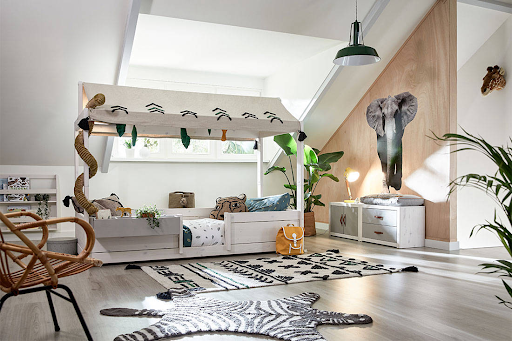
Creating a home where children can thrive, explore, and play safely is a priority for every parent. As your child grows and develops, their needs change, and so should your home. Whether you have a newborn crawling across the floor or a curious toddler climbing everything in sight, designing a kid-friendly home goes beyond childproofing—it’s about ensuring a balance of comfort, functionality, and safety at every turn.
In this guide, we’ll walk you through essential safety tips and design ideas that will help you create a kid-friendly home that caters to every stage of your child’s growth. At Athena Team Cleaning, we understand how important it is to maintain a clean and safe environment for your little ones, and we’re here to help you achieve just that.
Assessing Safety Needs Based on Age Groups
One of the most effective ways to childproof your home is by assessing the safety needs of your children based on their age. Each developmental stage brings new challenges, and being aware of these can help you stay one step ahead.
Baby-Proofing (Ages 0-2)
Babies, especially once they start crawling, explore their world by touching and putting things in their mouths. During this phase, it’s crucial to take steps to baby-proof your home to prevent accidents.
Here are essential baby-proofing tips:
- Install childproof locks: Cabinets, drawers, and doors should be secured with childproof locks to prevent curious babies from accessing dangerous items.
- Use baby gates: Place gates at the top and bottom of staircases and in doorways leading to unsafe areas like the kitchen or bathroom.
- Soften sharp edges: Use corner guards on sharp-edged furniture like coffee tables or TV stands to protect your child from bumps and bruises.
- Anchor furniture: Heavy furniture, such as bookshelves and TVs, should be securely anchored to the wall to prevent them from tipping over.
Toddler Safety (Ages 2-5)
Toddlers are notorious for exploring every inch of their environment. As they grow more mobile, safety hazards multiply. During these years, childproofing needs to evolve to keep up with their increasing independence.
Key toddler safety tips:
- Secure stairways: Install stair gates and ensure they are always closed when toddlers are unsupervised.
- Add door and window locks: To prevent accidental door slams or access to unsafe areas, install door locks that are out of reach of little hands. Windows should also be fitted with childproof locks.
- Use outlet covers: Electrical outlets should be covered with safety plugs or sliding covers to prevent curious fingers from probing dangerous sockets.
- Limit access to hazardous materials: Store cleaning supplies, medicines, and sharp objects in high, locked cabinets.
School-Aged Children (Ages 5+)
While school-aged children are generally more aware of their surroundings, safety precautions are still necessary. As children begin to interact with household appliances and outdoor areas more frequently, new risks emerge.
Here are tips for school-aged children:
- Establish a fire safety plan: Teach children how to respond in case of a fire. Show them how to safely exit the house and practise fire drills.
- Create secure outdoor play areas: If your child spends time outdoors, make sure the play area is free from hazards such as sharp tools or unfenced pools. Use secure fencing around the yard.
- First aid preparedness: Ensure that a fully stocked first-aid kit is available and that you and your children know where it’s located. Teach your kids basic first-aid skills appropriate for their age.
General Safety Tips for Every Home
Securing Furniture and Appliances
One of the most common causes of accidents in the home is furniture and appliances tipping over. Children, especially toddlers, love to climb, which makes heavy, unsecured furniture a major hazard.
To keep your home safe:
- Anchor furniture: Bookshelves, dressers, and cabinets should be securely anchored to the wall using safety straps or brackets.
- Secure TVs: Flat-screen TVs should be mounted to the wall or anchored with anti-tip straps.
- Stabilise appliances: Larger appliances like refrigerators, ovens, and microwaves should be properly installed and secured to prevent tipping.
Electrical Safety
Electrical outlets and cords pose a serious risk to young children, who might not understand the dangers of electricity.
Here’s how to childproof your electrical outlets:
- Cover outlets: Use outlet covers that are difficult for children to remove. Sliding or box covers are recommended as they are more secure than simple plug-in caps.
- Hide cords: Keep electrical cords out of reach, either by using cord shorteners or hiding them behind furniture. For appliances that are rarely used, unplug them when not in use.
Safe Storage Solutions
Children are naturally curious, and household items like cleaning supplies, medications, and tools can be dangerous if they fall into the wrong hands.
For a safer home:
- High storage: Store dangerous items such as cleaning products, medicines, and sharp objects in high cabinets that children cannot access.
- Lockable drawers: Use lockable drawers for items like scissors, matches, or any other objects that could pose a risk.
- Organised play areas: Teach your children to store their toys properly, reducing the risk of tripping or stepping on sharp objects. Storage bins and shelves can help keep their play areas organised and clutter-free.
Design Ideas for a Kid-Friendly Home
Creating a kid-friendly home isn’t just about safety— it’s also about fostering an environment where children feel comfortable, engaged, and inspired.
Comfortable and Soft Surfaces
Soft surfaces are key to creating a safe environment for young children. Kids tend to fall, run, and play hard, so cushioning their play areas is a must.
Here are some design ideas:
- Use soft rugs and cushioned mats: Choose soft, plush rugs or foam mats for areas where children spend a lot of time playing. These will protect them from hard surfaces and make falls less painful.
- Opt for spill-proof fabrics: For furniture like sofas and chairs, consider using fabrics that are both durable and stain-resistant, such as microfiber or leather. This will keep your furniture looking fresh despite spills or accidents.
Flexible and Adaptable Furniture
Children grow quickly, so having furniture that can adapt to their changing needs will save both time and money.
Here are some ideas:
- Multi-functional furniture: Invest in furniture that serves multiple purposes, such as storage ottomans, extendable beds, or convertible desks. These pieces will grow with your child and save space.
- Adjustable seating: Chairs with adjustable height and tables with expandable surfaces ensure that furniture can evolve as your child grows, making them practical for years to come.
Creating Play Zones
Every child needs a space where they can explore, create, and play. Designating specific areas for play can help contain messes and foster creativity.
Some ideas for play zones:
- Designate a play corner: Use a corner of the living room or a separate room as a play zone. Place shelves, bins, and low tables within reach, so your child can easily access their toys.
- Interactive play space: Incorporate wall decals, chalkboards, or whiteboards into the design of the play zone. These allow your child to draw, learn, and be creative while playing safely.
Incorporating Educational Decor
A well-designed home can also be a tool for learning. Incorporating educational elements into your decor can stimulate your child’s imagination and curiosity.
Ideas for educational decor:
- Alphabet or number decals: Use wall decals with letters, numbers, or shapes to help young children learn while playing.
- Reading nooks: Create a cosy space with a few bookshelves and comfortable cushions where your child can relax and read.
- Interactive wall art: Hang up maps, calendars, or artwork that your child can engage with. This adds an educational element to their everyday environment.
Colourful and Engaging Spaces
Bright and cheerful colours can create a more welcoming and stimulating environment for children.
Tips for creating vibrant spaces:
- Use bold, bright colours: Incorporate fun colours like yellows, blues, or greens into your child’s bedroom or play areas. These can stimulate creativity and make the space more inviting.
- Feature wall designs: A single accent wall with vibrant colours or fun patterns can make the room feel playful without overwhelming the space.
Outdoor Spaces: Making Your Backyard Safe and Fun
If you have an outdoor space, it’s important to make it as safe and enjoyable for children as the inside of your home.
Secure Fencing and Gates
A secure, enclosed yard ensures that your children can play safely without wandering off or encountering potential hazards.
Some safety measures for outdoor spaces:
- Install fencing: Make sure your yard is fully enclosed with secure, childproof fencing. The fence should be at least 1.5 metres high, with no gaps large enough for a child to slip through.
- Gate locks: Gates should have childproof locks to prevent little ones from opening them on their own.
Play Equipment Safety
If you have play equipment like swing sets, slides, or trampolines, ensure that these structures are installed and maintained properly** to avoid accidents. Here’s how you can ensure the safety of outdoor play equipment:
- Anchor equipment securely: Ensure that swing sets and other playground equipment are properly anchored to the ground to prevent tipping or movement during play.
- Use soft ground surfaces: Install a shock-absorbing surface such as rubber mulch, sand, or foam tiles under and around play equipment. This can help cushion falls and reduce the risk of injuries.
- Regular inspections: Frequently check for loose bolts, rust, or damage to ensure play equipment remains safe and functional.
Safe Garden Design
While a garden can be a wonderful space for exploration, some plants and gardening tools can pose risks to young children. Here are tips for creating a child-friendly garden:
- Avoid toxic plants: Some common plants, such as oleander or foxglove, are toxic if ingested. Ensure that any plants in your garden are safe for children, and research toxic plant species to avoid.
- Use child-safe landscaping materials: Opt for non-toxic mulch or ground cover. Avoid gravel or sharp-edged stones that could cause injury.
- Store gardening tools securely: Keep sharp tools, fertilisers, and other gardening equipment out of reach, either in a locked shed or high shelving.
How Athena Team Cleaning Services Can Support a Kid-Friendly Home
A clean home is a safe home, especially for young children who are more susceptible to allergens, bacteria, and dust. At Athena Team Cleaning, we understand how important it is for busy parents to maintain a clean and healthy environment, and we’re here to help. Our professional cleaning services in Singapore are designed to cater to families who prioritise cleanliness and safety.
The Importance of Regular Cleaning in a Kid-Friendly Home
Children spend a lot of time playing on floors, touching surfaces, and putting objects in their mouths. This makes it crucial to ensure that your home is regularly cleaned to prevent the buildup of dust, allergens, and harmful bacteria.
Benefits of regular cleaning:
- Prevents allergies: Regular deep cleaning can help reduce dust, pollen, and other allergens that may trigger respiratory issues, especially in children.
- Eliminates harmful bacteria: Surfaces in high-touch areas like kitchens, bathrooms, and play areas should be disinfected frequently to reduce the spread of germs.
- Keeps pests at bay: A clean home is less likely to attract pests, which can carry diseases or pose health risks to children.
Quality and Reliable Services for Busy Families
We know how challenging it can be for parents to keep up with household chores while balancing work and family life. That’s why Athena Team Cleaning offers reliable and thorough cleaning services that cater specifically to the needs of busy families in Singapore.
Our services include:
- Customised cleaning schedules: We work with you to create a cleaning schedule that fits your lifestyle and ensures your home remains spotless.
- Professional deep cleaning: From carpets to kitchens, our deep cleaning services tackle even the toughest dirt, ensuring a healthy and fresh environment for your children.
Specialised Child-Safe Cleaning Solutions
At Athena Team Cleaning, we prioritise the safety and well-being of your family. That’s why we use child-safe, eco-friendly cleaning products that are free from harsh chemicals and toxins. Our products are designed to be tough on dirt but gentle on your home’s surfaces and safe for children and pets.
Benefits of using child-safe cleaning products:
- Non-toxic: Our products are free from harmful chemicals like bleach or ammonia, making them safer for children.
- Eco-friendly: We use environmentally friendly products that not only protect your family but also reduce the impact on the environment.
- Effective cleaning: Our products are just as effective as traditional cleaners, ensuring a high standard of cleanliness without compromising safety.
Contact Athena Team Cleaning Services Today!
Creating a safe and kid-friendly home doesn’t have to be overwhelming, and you don’t have to do it alone. At Athena Team Cleaning, we are committed to helping you maintain a clean, healthy, and safe environment for your family. With our professional cleaning services, you can have peace of mind knowing that your home is free from allergens, dirt, and harmful bacteria—all while keeping your children’s safety a top priority.
Don’t let cleaning tasks get in the way of spending time with your family. Contact Athena Team Cleaning today and let us handle the cleaning, so you can focus on what matters most—making your home a happy and safe place for your kids.