

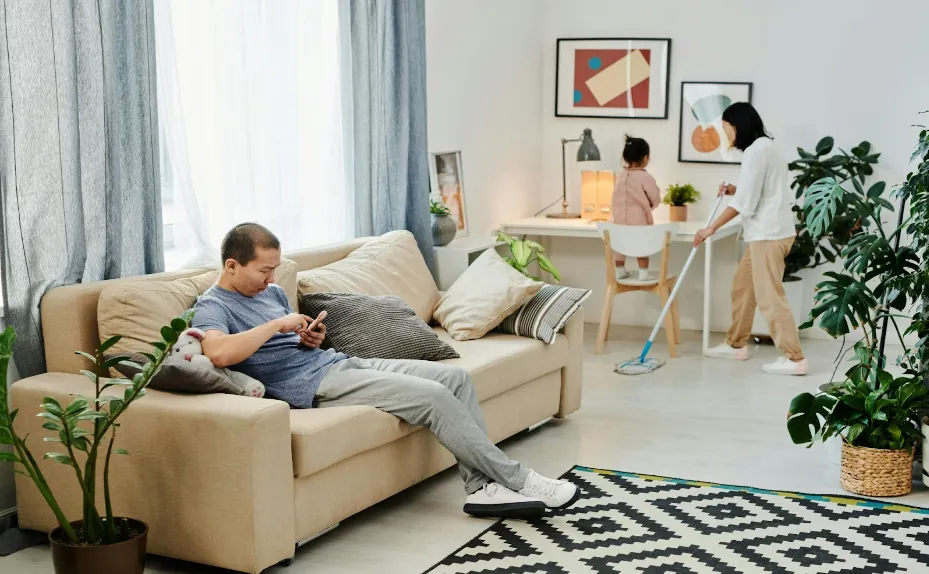
For busy families, keeping a home clean and organised can feel like a never-ending battle. Between work commitments, children’s activities, and the day-to-day hustle, it’s easy for clutter to take over.
This guide provides top home organisation tips specifically tailored to busy families in Singapore. From decluttering to creating smart storage solutions, we’ve got you covered.
Plus, discover how Athena Team Cleaning Services can support your efforts by offering reliable and professional residential cleaning services in Singapore to keep your home looking its best.
Decluttering: The First Step Toward Home Organisation
Before you can truly organise your home, it’s essential to declutter. The more “stuff” you have, the harder it is to stay organised. A home filled with items you no longer need, use, or love can quickly turn chaotic. Decluttering clears the space—both physically and mentally—so that you can focus on what’s important.
Why Decluttering is Essential for Busy Families
Busy families often accumulate a lot of items—whether it’s children’s toys, school papers, or kitchen gadgets. While these things are part of daily life, they can easily pile up and become overwhelming.
The benefits of decluttering include:
- Reducing Stress: A cluttered home creates visual stress. When everything is disorganised, it’s harder to relax or focus on important tasks.
- Saving Time: Decluttering makes it easier to find what you need when you need it. Instead of spending time searching for misplaced items, you’ll know exactly where everything is.
- Simplifying Cleaning: A decluttered home is easier to clean. Without piles of unnecessary items, dusting and vacuuming become much quicker tasks.
Step-by-Step Guide to Decluttering
Decluttering your entire home can seem overwhelming, but breaking it down into smaller, manageable steps will make the process much easier.
Step 1: Start Small
- Begin with one room or area at a time. For example, tackle the kitchen counter or a specific closet before moving on to larger spaces.
- By starting small, you avoid the overwhelming feeling that comes with trying to declutter an entire home at once.
Step 2: Categorise Items
- Sort all items into categories: Keep, Donate, or Throw Away. Be honest with yourself about what you truly need.
- Use Marie Kondo’s method of asking yourself if an item “sparks joy” before deciding to keep it. If not, consider donating or discarding it.
Step 3: Use the “One-In-One-Out” Rule
- For every new item you bring into your home, get rid of something old. This helps prevent clutter from building up again.
- Apply this rule when purchasing new clothes, toys, or home decor.
Step 4: Schedule Regular Decluttering Sessions
- Make decluttering a habit. Set aside time once a month to go through areas of your home that tend to collect clutter (e.g., closets, kitchen drawers, children’s rooms).
- This prevents clutter from piling up and makes your ongoing organisation efforts more manageable.
Involving the Whole Family in Decluttering
Decluttering doesn’t have to be a solo effort—getting the entire family involved can make the process more efficient and less stressful.
Tips for involving children:
- Turn decluttering into a game: Challenge your children to find five toys they no longer play with or clothes they’ve outgrown.
- Offer rewards for helping with the process, such as extra screen time or a family outing.
Delegating tasks to family members:
- Assign different rooms or areas to each family member. For example, one person can focus on the living room, another on the kitchen, and so on.
- By sharing the workload, you can complete decluttering tasks more quickly and effectively.
Creating Efficient Storage Solutions
Once you’ve decluttered, it’s time to think about how to store the items you’ve chosen to keep. Smart storage solutions make it easier to maintain an organised home, even in small spaces.
Maximise Vertical Space
In Singapore, where space can be limited, maximising vertical storage is key to keeping your home organised without overcrowding your living areas.
Tips for maximising vertical space:
- Install shelves: Use wall-mounted shelves in bedrooms, living rooms, and even kitchens to store books, toys, and other household items.
- Use hooks: Wall hooks are great for hanging bags, jackets, and hats. In children’s rooms, use them to hang backpacks and sports gear.
- Tall cabinets: Invest in tall, narrow cabinets that utilise vertical space without taking up too much floor space.
Smart Storage Solutions for Small Spaces
Even in smaller homes, there are creative ways to store items without sacrificing style or functionality.
Ideas for organising small spaces:
- Under-bed storage: Store seasonal clothes, shoes, or toys in containers that slide under the bed. This keeps them out of sight but easily accessible.
- Multi-functional furniture: Choose furniture that doubles as storage. For example, ottomans with built-in storage can hold blankets, books, or games.
- Kitchen organisers: Use drawer dividers, shelf risers, and lazy Susans in kitchen cabinets to maximise space for pots, pans, and pantry items.
Organising Closets and Wardrobes
Closets can quickly become chaotic if not properly organised. Maximise space and keep your clothes accessible with these simple tips.
Closet organisation tips:
- Sort by season: Keep only current-season clothes in your closet and store off-season items in labelled containers.
- Use closet organisers: Install hanging shelves, shoe racks, and over-the-door organisers to make better use of closet space.
- Donation box: Place a donation box in your closet for clothes you no longer wear. Once it’s full, take it to your local donation centre.
Time-Saving Home Organisation Habits
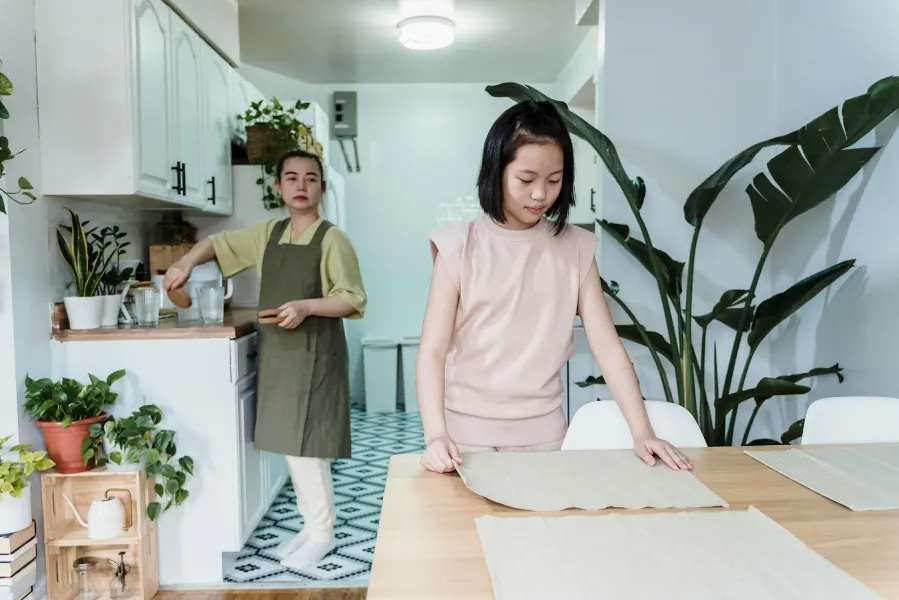
Developing simple, time-saving habits can help you maintain an organised home with minimal effort. These habits don’t require much time but make a big difference in how your home looks and feels.
The Importance of Daily Routines
Establishing daily cleaning and organising routines helps prevent clutter from accumulating and keeps your home in order.
Key daily routines to adopt:
- Morning reset: Spend 5-10 minutes each morning tidying up. Put away dishes, clear countertops, and tidy up the living room.
- Evening clean-up: Before bed, do a quick clean-up around the house. Encourage each family member to tidy their personal spaces (e.g., bedrooms, desks) before going to sleep.
Creating a Family Command Center
A family command centre can help streamline communication, keep everyone on track, and ensure that important tasks and schedules are organised in one central place.
Elements of a family command centre:
- Calendar: Hang a large family calendar where everyone can see it. Use it to track appointments, school events, and family activities.
- Meal planning board: Plan out meals for the week and display the menu on a chalkboard or whiteboard.
- Key hooks and baskets: Install hooks for keys, bags, and jackets to ensure these items are easy to find when leaving the house.
Weekly and Monthly Organisation Checklists
Creating checklists for weekly and monthly tasks ensures that everyone in the family contributes to keeping the home organised.
Weekly checklist ideas:
- Organise the fridge: Throw away expired food and organise remaining items by category.
- Tidy up toys: Have the kids put away toys and games in their designated storage bins.
- Laundry: Sort and fold laundry, and encourage each family member to put away their clothes.
Monthly deep-cleaning tasks:
- Declutter closets and cabinets: Go through storage areas and remove items that are no longer needed.
- Clean out the pantry: Discard expired food and reorganise shelves for easy access.
- Deep clean floors and carpets: Vacuum and mop floors thoroughly, paying special attention to high-traffic areas.
Kitchen Organisation Tips for Busy Families
The kitchen is often the heart of the home, and for busy families, keeping it organised can make meal prep and cleanup much easier.
Organising Pantry Essentials
An organised pantry not only makes meal prep easier but also helps you save time and money by knowing exactly what ingredients you have on hand.
Pantry organisation tips:
- Use clear containers: Store pantry staples like rice, pasta, and snacks in clear containers with labels.
- Group similar items: Keep similar items together—such as baking supplies, canned goods, and snacks—so they’re easy to find.
- Use stackable bins: Stackable containers maximise space and make the pantry look more organised.
Streamlining Meal Prep and Cooking
Meal prep can be stressful for busy families, but with the right organisation strategies, you can streamline the process.
Tips for streamlining meal prep:
- Create a meal prep station: Set up a designated area in the kitchen where all meal prep tools (e.g., cutting boards, knives, measuring cups) are stored for easy access.
- Label containers: Label containers of prepped ingredients with dates to avoid confusion and spoilage.
- Keep countertops clear: Only leave essential items on the counter (e.g., coffee maker, toaster). Store all other appliances in cabinets to keep counters clutter-free.
Fridge and Freezer Organisation Hacks
A well-organised fridge and freezer make it easier to keep track of food, reduce waste, and make meal prep quicker.
Fridge and freezer organisation tips:
- Use bins or baskets: Group similar items in the fridge using bins or baskets (e.g., dairy, vegetables, condiments).
- Label leftovers: Use labels with dates on leftovers or prepped ingredients to keep track of freshness.
- Stack frozen items: Organise frozen items vertically to maximise space and ensure older items are used first.
Living Room and Playroom Organisation
Keeping shared spaces like the living room and playroom organised can be challenging with a busy family, but the right storage solutions and habits can make a big difference.
Organising Toys and Games
Children’s toys and games can easily overwhelm a space if not properly organised. Use smart storage solutions to keep them tidy and accessible.
Toy organisation tips:
- Labelled bins and baskets: Use bins and baskets with labels to store toys by category (e.g., dolls, puzzles, action figures).
- Toy rotation: Store some toys away and rotate them every few weeks. This prevents clutter and keeps playtime exciting for children.
- Encourage clean-up: Teach children to put away their toys when they’re done playing. Create a reward system to encourage them to participate in keeping the space clean.
Creating a Functional and Tidy Living Room
The living room is where families often gather, so keeping it tidy helps create a peaceful and welcoming space for everyone.
Living room organisation tips:
- Storage ottomans: Use ottomans with built-in storage for blankets, books, or remotes.
- Decorative baskets: Keep decorative baskets on hand for quick clean-ups when guests arrive.
- Assign personal spaces: Each family member can have their own spot to store personal items like books, tablets, or chargers.
Managing Screen Time and Media
Electronic devices and media can quickly clutter up a space. Designate specific areas for media and electronics to keep things tidy.
Managing media clutter:
- Media cart: Use a media cart or stand to store electronics, video game consoles, and charging stations. This allows you to easily store devices when they’re not in use.
- Set boundaries: Establish rules for where devices can be stored and when screen time is allowed. This helps reduce clutter and promotes family bonding time.
Bedroom Organisation for a Peaceful Space
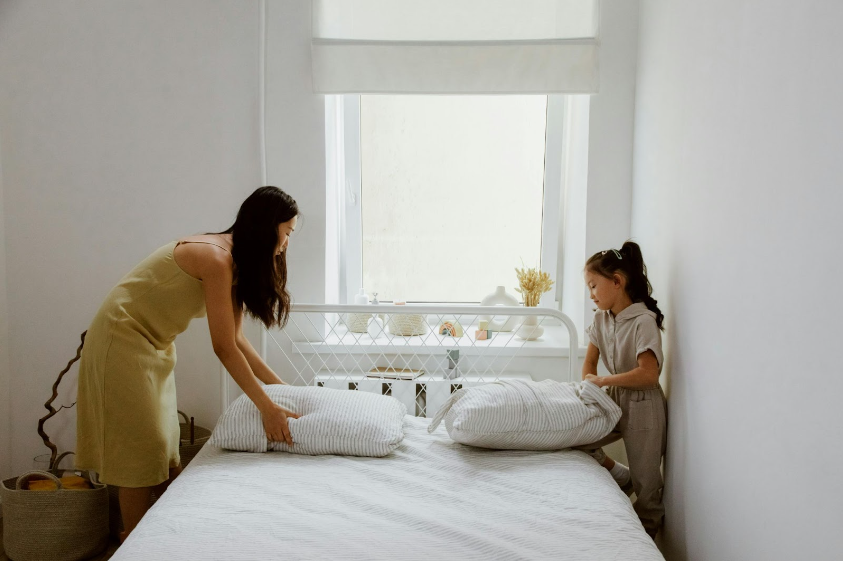
Bedrooms should be a peaceful retreat, but clutter can quickly disrupt that. A well-organised bedroom promotes relaxation and restful sleep.
Simplifying Your Bedside Table
Your nightstand can easily become a dumping ground for random items. Keeping it organised can make your bedroom feel more serene.
Bedside table organisation tips:
- Limit items: Only keep essentials on your bedside table, such as a lamp, alarm clock, and a few books.
- Use trays or baskets: Organise loose items like glasses, watches, or jewellery in small trays or baskets.
- Manage cords: Use cable organisers to keep charging cables neat and tidy.
Organising Children’s Bedrooms
Teaching children to keep their bedrooms organised helps them develop responsibility and creates a more peaceful environment for sleep and play.
Children’s bedroom organisation tips:
- Labelled storage bins: Use labelled bins or drawers for toys, books, and clothes to make it easy for children to put things away.
- Daily clean-up routine: Encourage children to tidy up their rooms daily by making their beds and putting away toys.
- Weekly organisation sessions: Set aside time each week to help children organise their rooms and declutter toys or clothes they no longer use.
Closet and Dresser Organisation
A well-organised closet and dresser make it easier to find clothes and keep bedrooms tidy.
Closet and dresser organisation tips:
- Fold clothes properly: Use the “KonMari” method for folding clothes to maximise drawer space and keep things tidy.
- Drawer dividers: Use dividers in drawers to separate small items like socks, underwear, and accessories.
- Use hooks: Install hooks on closet doors for bags, belts, or hats to free up shelf space.
Bathroom Organisation for Busy Mornings
A well-organised bathroom can make getting ready in the morning quicker and more efficient, especially for busy families.
Simplifying Bathroom Countertops
Bathroom countertops can quickly become cluttered with toiletries and products. Keep them organised to create a more peaceful space.
Countertop organisation tips:
- Use trays: Organise toiletries in small trays or baskets to keep countertops tidy.
- Store items under the sink: Use under-sink storage bins or baskets to keep hair dryers, straighteners, and other tools out of sight.
- Install shelves: Install floating shelves to hold extra towels, skincare products, or decorative items.
Maximising Storage in Small Bathrooms
Small bathrooms often lack storage, but with the right solutions, you can create more space for essentials.
Storage solutions for small bathrooms:
- Over-the-door racks: Use over-the-door racks to store extra towels or robes.
- Under-sink storage: Utilise under-sink storage with bins or stackable containers to store toiletries and cleaning supplies.
- Floating shelves: Install floating shelves above the toilet or in corners to store items like toilet paper, soap, and other essentials.
Creating a Daily Bathroom Cleaning Routine
A daily cleaning routine keeps the bathroom looking fresh and organised, making busy mornings less stressful.
Daily bathroom cleaning tasks:
- Wipe down surfaces: Wipe down countertops and mirrors daily to keep them clean and streak-free.
- Pick up after yourself: Encourage family members to hang towels, put away toiletries, and clean up after using the bathroom.
- Weekly deep clean: Set aside time each week for a deep clean of the bathroom, including scrubbing the shower, toilet, and sink.
Maintaining a Clutter-Free Entryway
The entryway is the first thing you see when you walk into your home. Keeping it organised sets the tone for the rest of the house.
Creating a Functional Mudroom or Entryway
A functional entryway makes it easy for family members to store shoes, jackets, and bags as they enter the home.
Entryway organisation tips:
- Install hooks: Use wall hooks for jackets, bags, and umbrellas to keep them off the floor.
- Shoe storage: Use a shoe rack or cubbies to keep shoes organised and prevent them from piling up by the door.
- Baskets for essentials: Place baskets or bins by the door for keys, sunglasses, and mail to prevent clutter from spreading throughout the house.
Storage Solutions for Shoes and Outerwear
Shoes and outerwear can take up a lot of space, especially in small entryways. Use smart storage solutions to keep things organised.
Shoe and outerwear storage tips:
- Shoe racks or cubbies: Use a shoe rack or cubby system to store everyday shoes neatly.
- Seasonal rotation: Store out-of-season items, such as winter coats or rain boots, in another location to reduce clutter in the entryway.
- Labelled baskets: Use labelled baskets for hats, gloves, and scarves to keep everything organised and easy to find.
Organizing Mail and Paperwork
Mail and paperwork can quickly pile up and create clutter. Set up a system to manage incoming and outgoing mail efficiently.
Mail organisation tips:
- Mail station: Set up a mail station with trays for incoming, outgoing, and important mail.
- Sort mail daily: Make it a habit to sort through mail every day, discarding junk mail and filing important documents.
- Use wall-mounted organisers: Use a wall-mounted organiser to keep bills, school papers, and other important documents within reach but out of sight.
Home Office Organisation for Busy Families

With more families working from home, keeping the home office organised is essential for maintaining productivity and reducing stress.
Setting Up a Productive Work Environment
A well-organised workspace promotes focus and makes it easier to stay on task during the workday.
Home office organisation tips:
- Desk organisers: Use desk organisers to keep pens, paper, and other supplies within reach but neatly stored.
- Clear the desk: Keep only essential items on the desk to avoid distractions. Store everything else in drawers or shelves.
- Cable management: Use cable organisers to keep cords and chargers neat and tangle-free.
Managing School and Work Papers
With multiple family members working or attending school from home, keeping track of papers can be a challenge.
Paper management tips:
- Filing system: Set up a filing system for each family member to organise school work, work documents, and important papers.
- Colour-coded folders: Use colour-coded folders for different projects or subjects to make it easier to find what you need.
- Weekly paper sorting: Set aside time each week to go through papers, discarding anything unnecessary and filing away important documents.
Creating a Work-Life Balance in a Shared Space
For families working from home, creating a work-life balance in shared spaces is essential for maintaining productivity and reducing stress.
Work-life balance tips:
- Designated workspaces: Create designated workspaces for each family member, whether it’s a home office, desk, or table.
- Visual separation: Use dividers, curtains, or even different furniture arrangements to create visual separation between workspaces and living spaces.
- Set boundaries: Establish rules for when work time starts and ends, and encourage family members to respect each other’s workspaces.
Athena Team Cleaning Services for Home Organisation
Maintaining a clean and organised home requires ongoing effort, especially for busy families. That’s where professional cleaning services come in. Athena Team Cleaning Services offers reliable and quality cleaning solutions tailored to the needs of families in Singapore, helping you keep your home spotless and organised.
Importance of Professional Cleaning in Home Organization
Professional residential cleaning services in Singapore can play a crucial role in keeping your home organised by taking care of time-consuming tasks like deep cleaning, dusting, and sanitising.
How professional cleaning services support organisation:
- Deep cleaning: Regular deep cleaning ensures that your home stays clean and fresh, even in areas that are hard to reach or often overlooked.
- Consistent upkeep: By scheduling regular cleaning services, you can ensure that your home stays tidy and organised without the stress of daily maintenance.
- Peace of mind: Knowing that your home is clean and organised allows you to focus on other priorities, such as spending time with your family or focusing on work.
Services Offered by Athena Team Cleaning Services
Athena Team Cleaning Services provides a range of residential cleaning services in Singapore to help busy families maintain a clean and organised home environment.
Services offered include:
- Regular cleaning: Daily, weekly, or bi-weekly cleaning services to keep your home consistently clean and organised.
- Deep cleaning: In-depth cleaning of hard-to-reach areas, including carpets, windows, and high surfaces.
- Custom cleaning plans: Athena Team can create customised cleaning plans based on your family’s specific needs and schedule.
Why Choose Athena Team Cleaning Services
When it comes to keeping your home clean and organised, Athena Team Residential Cleaning Services in Singapore stands out for its commitment to quality, reliability, and customer satisfaction.
Why choose Athena Team:
- Reliable and efficient: Athena’s professional team is known for their reliability and attention to detail, ensuring your home is cleaned to the highest standards.
- Eco-friendly products: Athena uses non-toxic, eco-friendly cleaning products that are safe for your family and the environment.
- Tailored solutions: Athena’s cleaning services are tailored to meet the unique needs of each family, ensuring that your home receives the care and attention it deserves.
Simplify Your Life with Athena Team Cleaning Services
Is a clean, tidy home a challenge for your busy family? Athena Team Cleaning Services offers reliable and efficient cleaning solutions tailored to your needs. From routine cleaning to specialised deep cleans, our team will leave your home sparkling.
Let them take the stress out of keeping your home clean and organised, so you can focus on what matters most—your family.
Why Home Organisation in Singapore Needs a Local Approach
Effective home organisation in Singapore looks different from advice written for larger overseas houses. Most families live in compact HDB flats or condos where every square foot counts, so storage has to work vertically and double up wherever possible. Add a hot, humid tropical climate and you also need systems that keep clothes, documents and pantry items from collecting mould, mustiness or pests across the year.

Busy households juggling work, school runs and tuition rarely have whole weekends to spare. The goal is not a magazine-perfect home but repeatable routines that anyone in the family can maintain in minutes. A good home organisation system in Singapore reduces daily friction, makes cleaning faster, and means you spend less time hunting for keys, chargers, uniforms and important letters every single morning.
Working With HDB and Condo Space Constraints
Built-in bomb shelters, bay windows and service yards are valuable storage you may be underusing. Fit shelving inside the shelter for bulky items, use slim trolleys in kitchen gaps, and add over-door racks behind bedroom doors. Tall, narrow units beat wide ones when floor space is tight, keeping walkways clear for young children and elderly family members.
Designing for the Tropical Climate
Humidity is the hidden enemy of any tidy home here. Keep wardrobes ventilated, run a dehumidifier in storerooms, and use airtight containers for rice, flour and snacks to deter weevils and ants. Silica gel packs in shoe cabinets and camera bags prevent mould, while raising stored boxes off the floor protects them during wet-season seepage.
- Measure the bomb shelter and service yard before buying any storage units
- Choose stackable, transparent boxes so contents stay visible and quick to grab
- Add silica gel or a small dehumidifier to enclosed wardrobes and storerooms
- Label everything in a system the whole family, including helpers, can follow
Room-by-Room Home Organisation Singapore Families Can Maintain
Tackling the whole flat at once is overwhelming, so work room by room and finish one zone before starting the next. Begin with the space that causes the most daily stress, usually the kitchen or the entryway, because quick wins build momentum. For each area, sort items into keep, donate, relocate and discard piles, then assign a clear home to everything that stays.
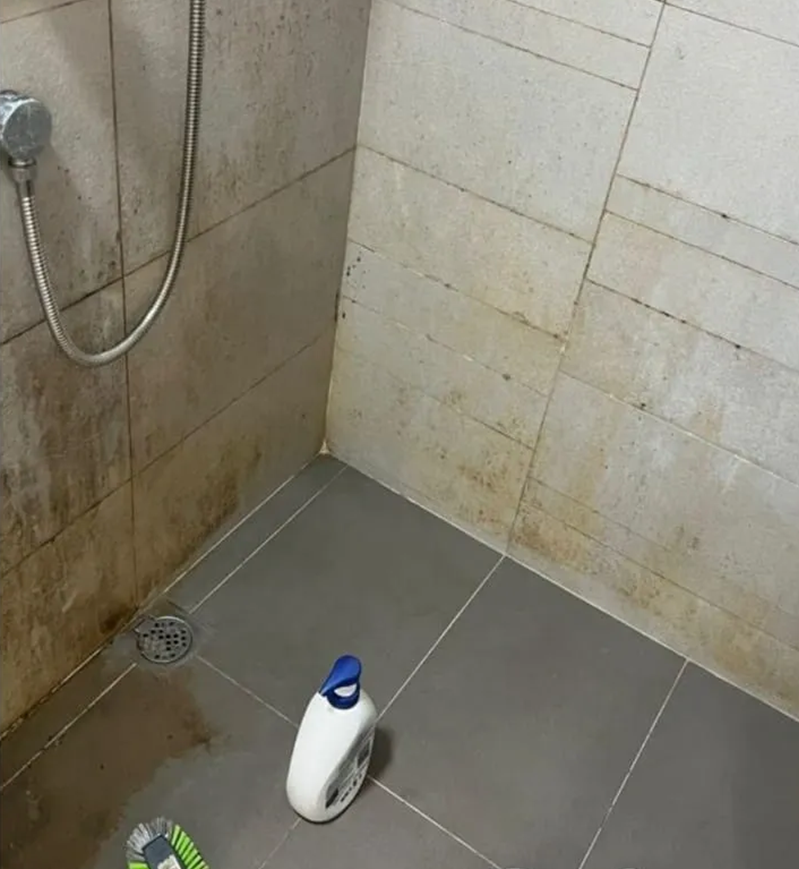
Sustainable home organisation in Singapore depends on matching storage to how your family actually lives. Store school bags near the door, keep frequently used pots at hip height, and reserve high shelves for seasonal or rarely touched items. When everything has an obvious place, tidying becomes a two-minute reset rather than a dreaded weekend project that never quite happens.
Kitchen and Pantry Systems
Group your pantry by category, decant dry goods into labelled airtight jars, and rotate stock so older items sit at the front. Use drawer dividers for cutlery and tension rods to stand baking trays upright. A magnetic strip frees up drawer space for knives, while a lazy Susan tames condiments in deep corner cabinets that usually become forgotten black holes.
Bedrooms, Wardrobes and Kids' Areas
Fold clothes vertically so every item is visible at a glance, and use slim velvet hangers to gain wardrobe space. Give children low, open bins they can reach and tidy themselves, which builds independence early. Rotate toys in and out of storage to reduce clutter, and keep a donate box in the wardrobe to catch outgrown uniforms and shoes immediately.
- Decant rice, cereal and snacks into airtight containers to block pests and damp
- Use vertical folding so drawers show every garment without digging
- Set up a drop zone by the door for keys, cards, masks and umbrellas
- Keep a permanent donation box to clear outgrown clothes and toys weekly
Decluttering Routines That Keep Your Home Tidy Year-Round
Organisation fails when it is treated as a one-off event. The families with the calmest homes run small, frequent resets instead of marathon clear-outs. A ten-minute nightly tidy, a fifteen-minute Sunday reset and a quarterly deeper declutter keep clutter from ever building to crisis levels. Share these tasks across the household so the burden never falls on one person.
Pair decluttering with a clear exit route for the things you remove. Singapore makes this easy through karung guni collectors, Carousell, donation drives and the Salvation Army. Scheduling a donation drop or resale day every few months stops bags of giveaways from migrating back into your storeroom and undoing your hard-won home organisation progress.
The One-In-One-Out Rule
For every new toy, gadget or piece of clothing that enters your home, remove a similar item. This simple discipline keeps possessions roughly constant and forces gentle, ongoing decisions instead of a dreaded annual purge. It works especially well for children's toys, kitchen gadgets and the growing pile of tote bags most Singapore households quietly accumulate.
Seasonal and Festive Resets
Tie bigger declutters to natural calendar moments such as Chinese New Year spring cleaning, the school holidays or Deepavali and Hari Raya preparations. These resets are ideal for rotating wardrobes, clearing expired pantry stock and washing soft furnishings. Many families book a professional deep clean alongside these resets so the organised home also gets a thorough top-to-bottom refresh.
- Run a quick nightly reset so surfaces start clear every morning
- Apply one-in-one-out for toys, clothes and kitchen gadgets
- Book donation pick-ups or karung guni collection on a fixed schedule
- Align deep declutters with festive cleaning and school holidays
When to Bring in Professional Help for Home Organisation Singapore
Sometimes the clutter, the time crunch or a major life change makes DIY unrealistic. Moving house, welcoming a newborn, or clearing an elderly parent's flat are all moments when professional support pays for itself. A cleaning team can handle the heavy lifting, deep clean each space as it is emptied, and leave you with a blank, sanitised canvas that is far easier to organise well.
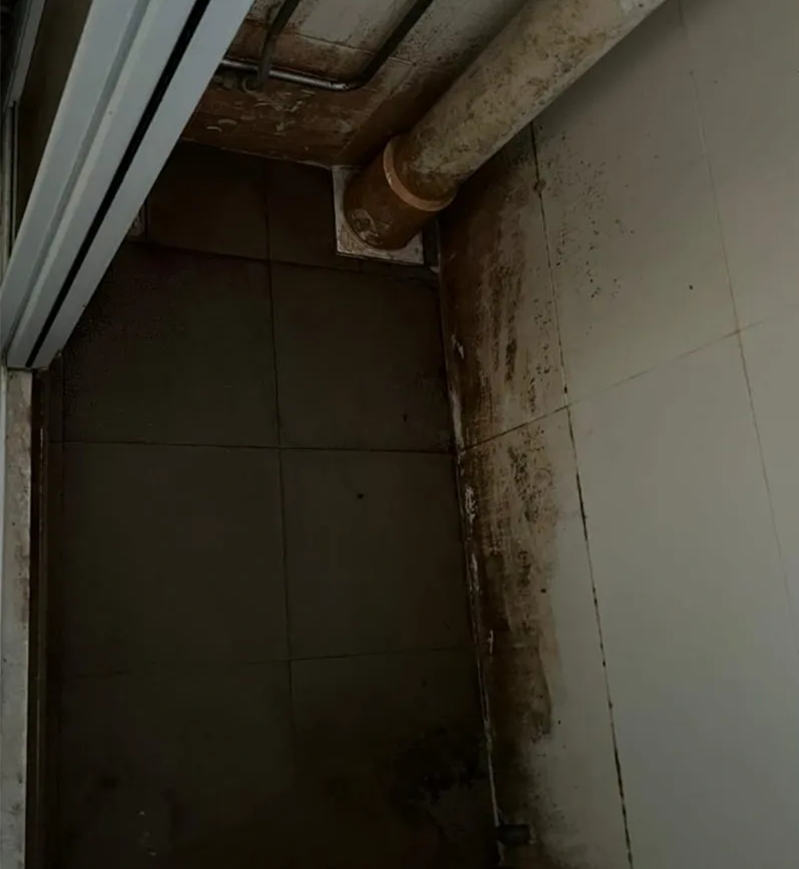
At Athena Cleaning Services we work alongside busy families to reset homes during moves, post-renovation handovers and seasonal spring cleans. While professional organisers focus on systems, our role is the deep clean that makes those systems shine, scrubbing wardrobes, kitchens and storerooms before everything goes back. Combining both gives you a home that is genuinely organised and hygienically clean at the same time.
What Cleaning Services Typically Cost
In Singapore, hourly home cleaning usually runs about S$25 to S$40 per hour, while a one-time deep clean for a typical flat ranges from roughly S$250 to S$600 depending on size and condition. Post-renovation cleaning often starts around S$350. Always confirm what is included so you can compare quotes fairly rather than on headline price alone.
Choosing a Trustworthy Provider
Look for transparent pricing, trained staff, proper insurance and clear communication about scope. Read recent reviews, ask whether equipment and supplies are provided, and check cancellation terms. A reliable cleaning partner should walk you through the home organisation Singapore challenges specific to your flat and tailor the visit, rather than quoting a one-size-fits-all package over the phone.
- Combine professional organising with a deep clean for the best result
- Request itemised quotes so you compare scope, not just headline price
- Confirm whether supplies, equipment and insurance are included
- Book early around moves, renovations and festive periods when demand peaks
Frequently Asked Questions
How much does professional home organisation in Singapore cost?
Dedicated professional organisers typically charge around S$80 to S$150 per hour, while a combined declutter-and-deep-clean session through a cleaning company often falls between S$250 and S$600 for a standard HDB flat. Costs depend on flat size, clutter level and whether deep cleaning is included. Always ask for an itemised quote before booking.
How do I keep my HDB flat organised in such humid weather?
Humidity control is essential for lasting organisation here. Use airtight containers for pantry goods, add silica gel or a small dehumidifier in wardrobes and storerooms, and keep enclosed spaces ventilated. Raise stored boxes off the floor and avoid cramming wardrobes so air can circulate, which prevents mould, musty smells and pest problems.
Where can I donate or sell items I declutter in Singapore?
Karung guni collectors and the Salvation Army accept many household goods, while Carousell and Facebook groups work well for resale. Charities such as Pass-It-On and local donation drives take usable furniture, clothing and toys. Scheduling a fixed collection or drop-off day prevents bags of giveaways from drifting back into your storeroom.
What is the best room to organise first in a small flat?
Start with the space causing the most daily stress, usually the kitchen or the entryway drop zone. These high-traffic areas deliver quick, visible wins that build momentum. Finish one room completely before moving on, sorting items into keep, donate, relocate and discard piles, then give everything that stays a clear, obvious home.
How often should a busy family declutter their home?
Run small, frequent resets rather than rare marathons. A ten-minute nightly tidy and a fifteen-minute weekly reset keep clutter from building, while a deeper quarterly declutter handles wardrobes and pantry. Tying larger clear-outs to festive cleaning or school holidays makes the habit easy to sustain across the whole year.
Can a cleaning company help with home organisation, not just cleaning?
Yes. While the deepest organising systems come from dedicated organisers, a cleaning team like Athena Cleaning Services can deep clean each space as you empty it, handle heavy lifting during moves, and refresh wardrobes, kitchens and storerooms. Combining a deep clean with your organising plan gives a home that is both tidy and hygienic.