

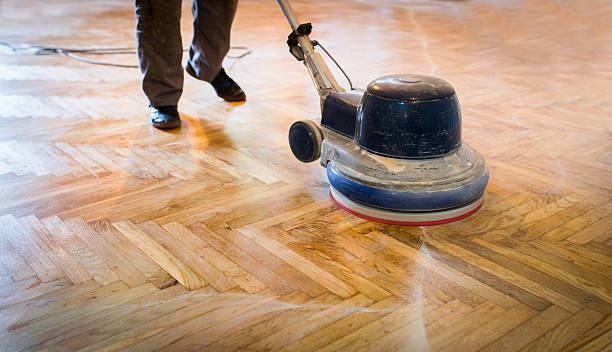
“Did you know that with the right parquet floor polish, your wood floors can last for decades looking as stunning as the day they were installed?” If your once-glossy parquet floors have lost their shine and are showing signs of wear, don’t worry you’re not alone! Over time, foot traffic, furniture, and cleaning habits can leave your parquet floors looking dull and tired. But with the right care, the beautiful finish can be restored, giving your home a fresh, polished look. In this guide, we’ll walk you through the best wood floor care and parquet cleaning practices, from DIY floor polish tips to professional secrets, to help you maintain that elegant shine and extend the longevity of your floors. If you’re a DIY enthusiast or looking for expert services, we’ve got you covered!
When DIY polish no longer revives the shine, our parquet floor polishing and varnishing in Singapore sands, polishes and reseals the timber to restore a lasting finish.
Why Parquet Floor Polish Lose Their Shine Over Time
Before we dive into how to restore your parquet floor polish, it’s important to understand why your floors lose their shine in the first place. Parquet floors are highly durable but Over time their polish fades, leaving your beautiful floors looking dull.
Common Causes of Dull Parquet Floors
- Foot Traffic and Wear
- High-traffic areas, like hallways and living rooms, tend to lose their shine faster because they experience constant foot movement and friction.
- Improper Cleaning
- Using harsh chemicals, abrasive materials, or excessive water can damage the protective layer of your parquet flooring, causing it to lose its shine over time.
- Dirt and Dust Build-up
- When dirt and dust are not regularly removed from the floor, they can scratch the surface, causing it to appear dull and worn out.
- Exposure to Sunlight
- UV rays from the sun can fade the finish of your parquet floors, making them look faded and discoloured.
Why Parquet Floor Polish Is Essential for Longevity
Parquet floor polish is designed to restore the shine and protect your floors from further damage. A high-quality polish can smooth out the imperfections caused by daily wear, making the surface appear sleek and glossy again. It also acts as a protective layer against moisture, dirt, and stains, which helps prolong the life of your parquet floors. Regular polishing also maintains the integrity of the wood, preventing cracks, chips, and other forms of damage.
Parquet Floor Polish: The Key to Restoring Your Floor’s Shine
Now that you understand why your parquet floors lose their shine, let’s explore how parquet floor polish can bring them back to life.
Choosing the Right Parquet Floor Polish
Not all parquet floor polishes are created equal. It’s important to choose a product that’s compatible with your flooring type and finish. For example, if your floors have a polyurethane finish, choose a polish that’s formulated specifically for this type of floor. For oiled or waxed floors, a different formula may be required. Make sure to select a high-quality product that will provide both protection and shine.
DIY Parquet Floor Polish: Step-by-Step Guide
If you prefer a DIY floor polish approach, follow these simple steps to restore the shine of your parquet floors:
1. Clean the Floor Thoroughly
Begin by cleaning the surface to remove dirt, dust, and debris. Use a soft, damp mop and a gentle cleaner specifically designed for wood floors.
2. Buff the Floor
Once clean, buff the floor using a microfiber cloth or a buffing machine. Buffing will help even out the surface and remove any remaining dirt.
3. Apply Parquet Floor Polish
Apply a thin layer of parquet floor polish using a clean cloth or mop. Work in small sections, ensuring that the polish is spread evenly.
4. Allow the Polish to Dry
Let the floor polish dry completely before walking on it. Depending on the product, this can take anywhere from 1 to 4 hours.
5. Buff Again
After the polish has dried, buff the floor once more to achieve a glossy, smooth finish.
Pro Tip: Always test the parquet floor polish on a small, inconspicuous area of the floor to ensure compatibility with your finish.
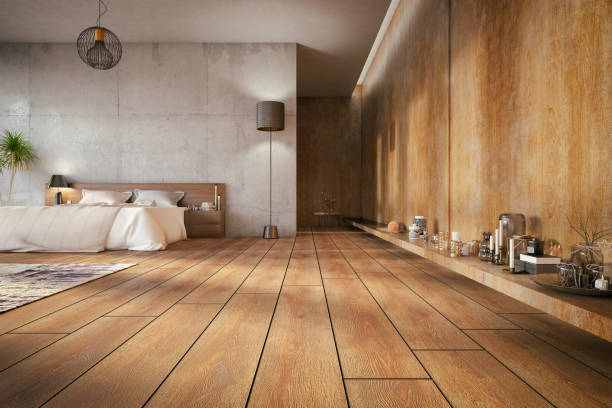
Essential Floor Maintenance Tips for Longevity
While parquet floor polish is key to restoring your floor’s shine, regular wood floor care is crucial to maintaining its longevity.
Parquet Cleaning and Floor Maintenance Tips
To keep your parquet floors looking fresh, regular cleaning is essential. Sweep or vacuum the floor frequently to remove dust and debris. Use a soft brush or vacuum attachment to avoid scratching the surface.
- Floor Maintenance Tips
Avoid excessive moisture, and always use a damp mop instead of a soaking wet one to prevent water damage. Wipe up spills immediately to avoid staining.
- Use a Doormat
Place mats or rugs at entrances to prevent dirt from being tracked onto your floors. This simple step helps reduce wear and tear from dirt and grit.
Professional Parquet Cleaning: Why It’s Worth the Investment
While DIY floor polishing can restore some shine, professional parquet cleaning offers a deeper, more thorough clean that extends the life of your floors.
Benefits of Professional Parquet Floor Care
1. Expert Equipment
Professionals use high-quality equipment designed to remove deep-set dirt, grime, and stains without damaging the finish.
2. Advanced Techniques
A professional service can assess your floor’s condition and apply the appropriate cleaning and polishing methods based on your floor’s unique needs.
3. Time-Saving
Hiring a professional service saves you time and effort. You can rest easy knowing that your floors are being cared for by experts.
At Athena Cleaning Services, we provide expert parquet cleaning and parquet floor polish services, ensuring that your floors stay in top condition for years to come.
Troubleshooting Common Parquet Floor Issues
Even with the best care, parquet floors can face occasional issues. Here are some common problems and how to fix them:
Scratches and Scuff Marks
- How to Fix: Small scratches can often be buffed out using a cloth and parquet floor polish. For deeper scratches, a touch-up wax or wood filler can help restore the surface. Always follow up with a layer of parquet floor polish to blend the repair.
- Prevention Tip: Use felt pads under furniture legs and avoid dragging heavy items across the floor to prevent scratches.
Dull or Faded Parquet Floors
- How to Fix: If your floor’s shine has faded over time, it might be time for a DIY floor polish. Apply a layer of parquet floor polish and allow it to dry before buffing. If the floor has deep damage, professional polishing may be necessary.
- Prevention Tip: Regular cleaning and avoidance of harsh chemicals help maintain the finish. Also, try to limit exposure to direct sunlight to prevent fading.
Water Damage and Staining
- How to Fix: If your parquet floor has been exposed to excessive moisture, there may be warping or water stains. To fix this, use a wood cleaner designed to treat water damage and apply a parquet floor polish once the floor is fully dry.
- Prevention Tip: Avoid using excessive water while cleaning. Always clean up spills immediately to prevent water from seeping into the wood.
Advanced Parquet Care and Floor Maintenance Tips
To ensure that your parquet floors stay in top shape for years, consider these advanced care and maintenance tips.
Use a Humidifier for Balanced Humidity
Wood floors are sensitive to changes in humidity. Too much moisture can cause the floor to expand, while low humidity can cause the wood to shrink and crack. Keeping the room’s humidity balanced (ideally between 35-55%) can prevent these issues. Using a humidifier in drier seasons can help maintain optimal conditions for your parquet floors.
Regularly Inspect for Signs of Wear and Tear
It’s essential to check your parquet floors regularly for signs of damage, such as scratches, stains, or loose tiles. Early detection allows for timely repairs and can prevent the need for expensive floor replacements. If you spot any issues, schedule professional parquet cleaning and floor polish services to prevent further damage.
Refinish Your Parquet Floors Every Few Years
If your parquet floors have seen significant wear over the years, refinishing can help bring them back to life. Refinishing involves sanding down the top layer of the wood and reapplying a fresh parquet floor polish. Depending on the level of wear, this process can extend the life of your floors for many more years.
Pro Tips for DIY Parquet Floor Polish and Floor Maintenance Tips
While professional services are great for deep cleaning and repairs, there are a few DIY floor polish and floor maintenance tips you can follow to keep your parquet floors looking fresh between professional services.
How Often Should You Apply Parquet Floor Polish?
For most homes, applying parquet floor polish once every 6 to 12 months is sufficient to keep floors looking their best. However, high-traffic areas might need more frequent touch-ups to maintain a glossy finish. Here’s how to know when it’s time for another layer of polish:
- Dullness or fading
If your floor has lost its shine or appears faded, it’s time for a fresh layer of parquet floor polish.
- Scratches and wear
Small scratches, scuff marks, and general wear and tear can be addressed with a good polish.
- Cleaning difficulty
If dirt and stains are becoming harder to remove, polishing can restore the surface’s smoothness.
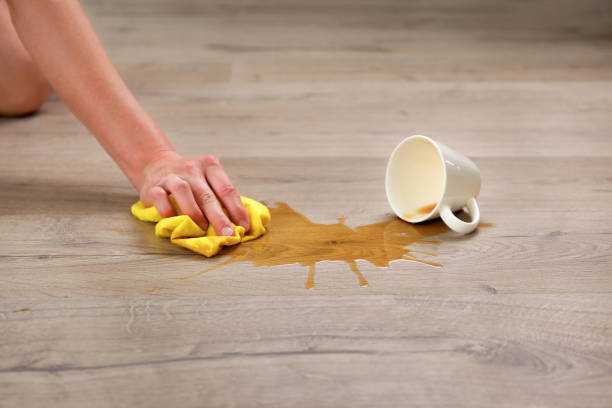
Preventative Measures to Keep Your Parquet Floors in Top Condition
- Keep floors dry: Avoid excessive water exposure, and mop up spills immediately to prevent water damage.
- Protect from scratches: Use felt pads on furniture and place mats at entrances to prevent dirt and grit from scratching the floor.
- Keep floors free of dust: Dust and dirt can scratch the surface, so regularly vacuum or sweep your floors with a soft brush or microfiber mop.
DIY Parquet Floor Polish vs Professional Services
While DIY floor polish solutions are great for regular upkeep, sometimes your floors need a professional touch. Here’s a comparison of when to choose DIY floor polish versus booking a professional parquet cleaning service.
When to Use DIY Parquet Floor Polish
- Light scratches and dullness
If your parquet floor only has light scuff marks or a dull finish, a DIY floor polish is sufficient to restore the shine.
- Routine maintenance
Regular upkeep and surface cleaning are easily done with DIY floor polish, helping you maintain the aesthetic of your floors without the need for frequent professional cleaning.
- Budget-friendly
For homeowners looking to keep costs down, DIY floor polish provides an affordable solution to maintain the floors between professional cleans.
When to Choose Professional Parquet Floor Care
- Deep stains or water damage
If your floor has deep stains, significant scratches, or warping due to moisture, a professional should handle the repair to restore your floor properly.
- Complete restoration
If your parquet floors have become heavily worn over time, refinishing and polishing by professionals will restore their original beauty and extend their lifespan.
- Time-saving
If you don’t have the time or energy to tackle the task yourself, professionals like Athena Cleaning Services can efficiently clean, polish, and restore your floors, saving you time and effort.
How to Avoid Common Mistakes When Using Parquet Floor Polish
Even with the best intentions, there are some common mistakes people make when applying parquet floor polish. Here’s how to avoid them:
Mistake #1: Applying Too Much Polish
More is not always better. Applying too much parquet floor polish can create streaks and an overly glossy, sticky finish that attracts dirt. Always apply a thin, even layer to ensure the polish dries properly and provides a smooth, natural shine.
Mistake #2: Not Testing the Polish First
Before applying parquet floor polish to the entire floor, always test it on a small, inconspicuous area. This will ensure that the product is compatible with your floor’s finish and won’t cause any damage or discoloration.
Mistake #3: Ignoring Regular Cleaning
Even with parquet floor polish, regular cleaning is essential to maintaining the finish. Skipping the cleaning process before polishing can trap dirt underneath the polish, leading to a less-than-ideal result.
Mistake#4: Using Harsh Chemicals
Avoid using harsh chemicals or abrasive cleaners, as they can strip the protective finish off your parquet floors. Stick to wood-friendly cleaners, or opt for professional cleaning services that know the right products to use for your specific floor type.
How Athena Cleaning Services Can Help with Wood Floor Care
If you want your parquet floors to last and look as beautiful as the day they were installed, professional care is essential. Here’s how Athena Cleaning Services can help with parquet floor cleaning and parquet floor polish:
Professional Expertise
With years of experience, our team knows exactly how to treat and restore your parquet floors. We understand the different finishes and materials used in parquet flooring, ensuring that we apply the best care methods tailored to your floor type.
Our team uses high-quality products and professional techniques to bring back the shine and protect your floors. From routine maintenance or full restoration, we’ve got you covered.
Complete Wood Floor Care Solutions
We offer a complete suite of wood floor care services, including cleaning, polishing, and repairs, so your floors stay in top condition year-round.
Tailored Solutions for Every Home
Every home is unique, and we tailor our services to meet the specific needs of your parquet floors. From regular upkeep to deep restoration, Athena Cleaning Services ensures the longevity and beauty of your flooring.
High-Quality Products and Equipment
At Athena Cleaning Services, we use only the best parquet floor polish and cleaning products to ensure that your floors receive the finest care. Our high-end equipment helps us achieve excellent results without damaging your floors.
Affordable, Reliable, and Convenient
We offer affordable and reliable parquet floor polish services to homeowners in Singapore. From quick clean or a full restoration, we work around your schedule to provide a hassle-free experience.
Ready to get started? Call Athena Cleaning Services now and take the first step towards a cleaner, safer living space!
🔨 Learn about our Athena Cleaning Services: About Us
🏆 See our Before and After Gallery: Gallery
🎨 Read What Our Clients Have to Say: Wall of Trust
📖 Read our Blogs: Insights & Tips
📞 Call us at: +65 9247 1009
📧 Email us at: athenateamcleaning@gmail.com
🌐 Visit our website: www.athenacleaningservices.sg
📍 Address: 2 Venture Drive, #14-02, Vision Exchange, Singapore 608526
Why Parquet Floor Polish Matters in Singapore's Humid Climate
Singapore's year-round humidity of 70 to 90 percent is tough on timber. Parquet absorbs moisture, swells at the edges and slowly loses its protective top coat. A timely parquet floor polish reseals the surface, repels everyday moisture and stops dirt grinding into the grain. In older HDB flats and condos, neglected parquet often turns dull, sticky or patchy long before the wood itself fails.
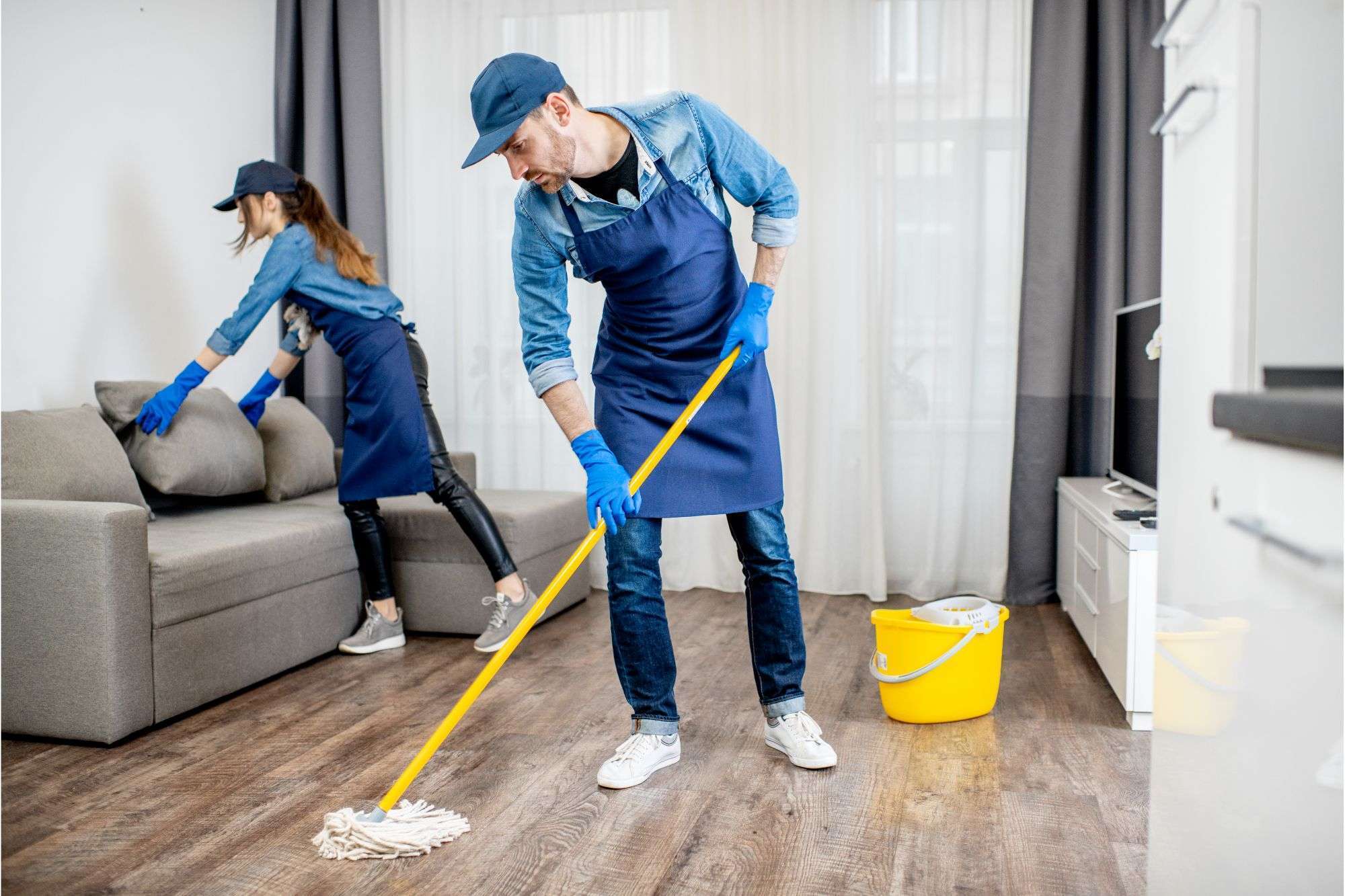
Polishing is not only about looks. A maintained coat shields the wood from kitchen spills, aircon condensation and the abrasive sand tracked in from void decks and lift lobbies. Regular parquet flooring polishing also delays the far costlier step of full sanding and re-varnishing. For most Singapore homes, a thin refresh coat every 12 to 24 months keeps the floor looking new at a fraction of restoration cost.
Spotting Humidity Damage Early
Watch for tell-tale signs: cupping where plank edges rise, a white milky haze under direct sunlight, or a floor that feels tacky underfoot. These point to a worn top coat letting moisture in. Catching this early means a simple parquet polish refresh will do, rather than stripping back to bare wood across the whole room.
Polish Versus Full Restoration
A polish or buff revives an intact but dull coat and costs far less. Full restoration means sanding away the old finish, repairing gaps and applying fresh varnish. If your parquet floor polish no longer holds a shine after buffing, or the bare wood shows through in walkways, restoration is the smarter long-term spend rather than repeated patching.
- Keep indoor humidity under control with aircon or a dehumidifier to protect the finish
- Place mats at entrances to trap abrasive grit from corridors and lift lobbies
- Wipe spills immediately, since standing water lifts varnish and stains timber
- Avoid wet mopping with excess water, which seeps into seams and swells planks
Step-by-Step Parquet Floor Polish Process
A professional parquet floor polish follows a clear sequence. First the floor is dry-vacuumed and lightly damp-wiped to lift fine dust and grease that would otherwise be sealed under the new coat. Next, sticky residue from old cleaners is removed, since polish will not bond over a contaminated surface. Only then is the chosen finish applied thinly and evenly, working with the grain in manageable sections.
Drying and curing matter as much as application. In Singapore's humidity, water-based coats are usually touch-dry within an hour or two but need longer to harden fully. Good technicians keep the room ventilated, avoid foot traffic until cured and apply a second thin coat where wear is heavy. Rushing the process traps moisture and leaves a cloudy, soft finish that scuffs quickly.
Cleaning and Preparation
Thorough prep prevents most failures. Furniture is shifted, edges and corners are detailed, and any old wax build-up is buffed back so the new parquet polish adheres. Skipping this step is why DIY jobs often peel within months. Pros also check for loose or hollow-sounding planks that should be re-glued before any coating goes down.
Buffing and Top Coating
After prep, a rotary machine buffs the surface to an even sheen, then the protective coat is laid down. You can choose matte, satin or gloss depending on the look you want and how much it should hide scratches. A satin parquet floor polish is popular in Singapore homes because it balances warmth with practical scuff resistance for busy households.
- Clear and protect furniture, skirting and built-in cabinetry before work begins
- Test the chosen finish on a hidden corner to confirm colour and sheen
- Apply thin, even coats rather than one thick layer that stays soft and cloudy
- Allow proper curing time before replacing rugs, furniture and foot traffic
Parquet Floor Wax, Oil or Varnish: Choosing the Right Finish
Not every parquet floor polish is the same product. Traditional parquet floor wax gives a soft, natural glow and is easy to spot-repair, but it needs re-buffing more often and can feel slippery when freshly applied. Penetrating oils soak into the timber for a matte, tactile finish that ages gracefully, while polyurethane varnishes form a tough surface film that handles heavy traffic and is the most common choice for Singapore condos.
Your decision should weigh durability against maintenance effort and the look you prefer. Wax suits low-traffic bedrooms and owners who enjoy occasional upkeep. Oil works well for those wanting a natural feel and easy touch-ups. Varnish is best for living rooms, rental units and family homes where a hard-wearing, low-fuss parquet polish makes the most sense over the long run.
When Parquet Floor Wax Works Best
Parquet floor wax shines in heritage or character homes where a mellow, low-sheen warmth is wanted. It is forgiving for spot repairs and re-coats easily without sanding. The trade-off is frequency: high-traffic Singapore households may need to re-wax every few months, and wax cannot be coated over with varnish later without full removal first.
Matching Finish to Your Lifestyle
Think about who uses the room. Homes with young children, pets or daily entertaining benefit from a durable varnish-based parquet floor polish that resists scratches and spills. Quieter spaces can take a softer oil or wax. Matching the finish to real usage avoids premature wear and keeps your re-coating schedule realistic and affordable.
- Wax: warm natural glow, easy spot repair, needs frequent re-buffing
- Oil: matte tactile feel, simple touch-ups, moderate durability
- Polyurethane varnish: hardest wearing, low maintenance, ideal for busy condos
- Always confirm the existing finish before adding a new coat to avoid adhesion issues
Pricing, Maintenance and Keeping the Shine Longer
In Singapore, a straightforward parquet floor polish or buff-and-coat typically ranges from around 1.50 to 4.50 SGD per square foot, while full sanding and re-varnishing usually falls between 3 and 8 SGD per square foot depending on condition and timber type. A standard HDB living room might cost roughly 250 to 600 SGD to refresh. Always get an on-site assessment, as gap filling, plank repairs and stair edging add to the quote.
To stretch the time between jobs, treat the floor gently day to day. Use felt pads under furniture legs, sweep or vacuum grit regularly and clean only with a barely-damp microfibre mop and a pH-neutral cleaner made for wood. Harsh detergents and steam mops strip the coat fast. With consistent care, a quality parquet flooring polishing job can hold its shine for well over a year.
What Affects the Quote
Costs vary with floor area, the current state of the finish, the number of coats and whether repairs are needed. Tight corners, parquet borders and staircases take longer and cost more. Removing old wax build-up or addressing water damage also raises the price. A reputable cleaner inspects first and gives a transparent breakdown rather than a flat per-foot guess.
Simple Habits That Protect the Coat
Small routines make a big difference. Keep entrance mats, lift shoes when moving furniture and address spills within minutes. Run the aircon or a dehumidifier in damp spells to limit swelling. These habits protect your parquet floor polish, delay the next re-coat and keep both the appearance and the underlying timber in good condition for years.
- Budget roughly 250 to 600 SGD to refresh a typical HDB living room floor
- Request an on-site inspection so repairs and edging are priced accurately
- Use only pH-neutral wood cleaners and a well-wrung microfibre mop
- Avoid steam mops and abrasive pads that strip the protective finish
Frequently Asked Questions
How much does parquet floor polish cost in Singapore?
A buff-and-coat parquet floor polish usually runs about 1.50 to 4.50 SGD per square foot, so a standard HDB living room often costs 250 to 600 SGD. Full sanding and re-varnishing costs more, around 3 to 8 SGD per square foot. Always get an on-site quote, as repairs and edging affect the final price.
How often should I polish parquet flooring?
For most Singapore homes, a refresh coat every 12 to 24 months keeps the surface protected. High-traffic living rooms or homes with pets may need it yearly, while quiet bedrooms can go longer. Re-coat sooner if the floor looks dull after buffing, feels tacky or shows bare wood in walkways.
What is the difference between parquet floor wax and varnish?
Parquet floor wax gives a soft, natural sheen and is easy to spot-repair, but needs frequent re-buffing and can feel slippery when fresh. Varnish forms a hard, durable film that resists scratches and spills, making it better for busy condos and family homes. They cannot be layered over each other without full removal first.
Can I polish parquet floors myself or should I hire a pro?
Light buffing and waxing can be done at home, but results often peel if prep is rushed or the wrong product is used over an incompatible finish. Professionals handle dust extraction, plank repairs, even coating and proper curing. For varnish coats or worn floors, hiring a pro gives a more durable, even result.
Why does my parquet floor look cloudy after polishing?
A milky or cloudy haze usually means trapped moisture, a coat applied too thickly, or polishing over a dirty or waxy surface in Singapore's humidity. It can also come from incompatible products. Thin even coats, proper cleaning beforehand and adequate curing time prevent this. Re-buffing or a corrective coat normally fixes a cloudy finish.
Does humidity in Singapore damage parquet flooring?
Yes. Constant humidity makes timber absorb moisture, swell and cup, while a worn top coat lets water reach the wood. Running the aircon or a dehumidifier, wiping spills quickly and keeping up regular parquet floor polish all reduce the risk. A well-maintained protective coat is the best defence against humidity-related warping and staining.