

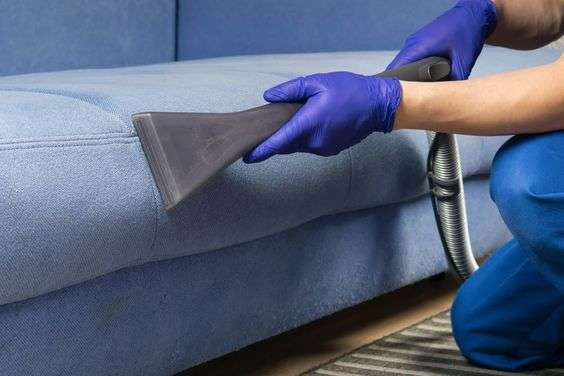
Keeping your upholstery clean is more than just an aesthetic choice—it’s essential for the health and well-being of your family. In Singapore’s humid climate, upholstery can easily become a breeding ground for mold, dust mites, and other allergens. Fortunately, DIY upholstery cleaning recipes offer an effective and eco-friendly solution. Dive into these simple yet powerful methods for upholstery cleaning Singapore to keep your home fresh and healthy.
Recipe 1: Baking Soda and Vinegar Solution
Ingredients Needed
- Baking soda
- White vinegar
- Water
- Spray bottle
Steps to Prepare
- Fill the spray bottle with equal parts white vinegar and water.
- Sprinkle a generous amount of baking soda directly onto the upholstery.
- Spray the vinegar-water solution over the baking soda, ensuring the area is damp but not soaked.
- Allow the mixture to sit for at least 30 minutes to one hour.
How to Use
- After the mixture has had time to work, use a vacuum with an upholstery attachment to remove the dried baking soda and lifted dirt.
- For stubborn stains, gently scrub the area with a soft brush before vacuuming.
Benefits and Uses The combination of baking soda and vinegar is a powerful, natural cleaner. Baking soda acts as a deodorizer and abrasive, breaking up dirt and absorbing odors. Vinegar is a natural disinfectant and helps to break down stains. This solution is ideal for general upholstery cleaning Singapore, especially for removing odors and freshening fabrics.
Recipe 2: Lemon Juice and Salt Paste
Ingredients Needed
- Fresh lemon juice
- Salt
Steps to Prepare
- In a small bowl, mix fresh lemon juice with enough salt to create a thick paste.
- Stir the mixture until the salt is fully dissolved and the paste is smooth.
How to Use
- Apply the paste directly to stains on the upholstery.
- Let it sit for 10-15 minutes to allow the acidic lemon juice and abrasive salt to break down the stain.
- Wipe the area with a clean, damp cloth to remove the paste, and blot dry with a towel.
Benefits Lemon juice is a natural bleaching agent and deodorizer, making it effective for removing stains and freshening fabric. Salt acts as a mild abrasive, helping to lift dirt and grime without damaging the upholstery. This recipe is particularly useful for spot-cleaning tough stains in upholstery cleaning Singapore.
Recipe 3: Mild Dish Soap and Warm Water
Ingredients Needed
- Mild dish soap
- Warm water
- Bowl and sponge
Steps to Prepare
- Fill a bowl with warm water and add a few drops of mild dish soap.
- Mix gently to create suds.
How to Use
- Dip a sponge into the soapy water and wring out excess liquid.
- Gently scrub the upholstery, focusing on dirty areas.
- Wipe the area with a clean, damp cloth to remove any soap residue.
- Allow the upholstery to air dry completely.
Benefits Mild dish soap is safe for most fabrics and effective at cutting through grease and grime. Warm water helps to dissolve dirt and allows the soap to penetrate the fabric. This solution is perfect for routine cleaning and maintenance.
Recipe 4: Hydrogen Peroxide and Baking Soda
Ingredients Needed
- Hydrogen peroxide
- Baking soda
- Water
- Spray bottle
Steps to Prepare
- Mix equal parts hydrogen peroxide and water in a spray bottle.
- Add a few tablespoons of baking soda to the mixture and shake well.
How to Use
- Spray the solution onto the upholstery, focusing on stained or dirty areas.
- Let it sit for about 30 minutes to an hour.
- Blot the area with a clean, damp cloth to lift the solution and any dirt or stains.
- Allow the upholstery to air dry.
Benefits Hydrogen peroxide is a powerful stain remover and disinfectant, effective against bacteria and mold. Baking soda helps to lift stains and neutralize odors. This combination is highly effective for deep cleaning and sanitizing, making it an excellent choice for thorough.
Recipe 5: Rubbing Alcohol and Essential Oils
Ingredients Needed
- Rubbing alcohol
- Essential oils (optional)
- Spray bottle
Steps to Prepare
- Fill a spray bottle with rubbing alcohol.
- Add a few drops of your favorite essential oil for a pleasant scent (optional).
- Shake the bottle gently to mix.
How to Use
- Test a small, inconspicuous area of your upholstery first to ensure the solution does not cause discoloration.
- Lightly spray the solution onto the stained or soiled area of the upholstery.
- Blot the area with a clean, dry cloth, avoiding excessive rubbing which can damage the fabric.
- Allow the upholstery to air dry completely before using it again.
Benefits Rubbing alcohol is a powerful disinfectant that can effectively remove stains and sanitize your upholstery. The addition of essential oils not only imparts a pleasant fragrance but can also add antibacterial properties depending on the oil used. This DIY solution is particularly beneficial in Singapore’s humid climate, as it dries quickly and helps prevent mold and mildew growth, making it an excellent choice.
FAQ
Are Homemade Upholstery Cleaners Effective?
Yes, homemade upholstery cleaners can be highly effective when used correctly. They often use natural ingredients that are safe for both your family and the environment. While commercial cleaners are also effective, DIY solutions provide a cost-effective and eco-friendly alternative. Many people find that they achieve similar results with homemade cleaners compared to store-bought products, particularly for regular maintenance and minor stains.
Comparison with Commercial Upholstery Cleaners in Singapore
Commercial upholstery cleaners are typically formulated for high efficacy and convenience, often containing powerful chemicals that can tackle tough stains quickly. However, these can sometimes be harsh on fabrics and may pose health risks if not used properly. In contrast, homemade solutions, such as those used for upholstery cleaning Singapore, utilize common household ingredients that are gentler on fabrics and safer for regular use, although they might require more effort and time to achieve the same level of cleanliness.
Environmental and Health Benefits of DIY Cleaners
DIY upholstery cleaners are generally free from toxic chemicals, making them safer for use around children and pets. They are also environmentally friendly, reducing the number of harmful substances released into the environment. Ingredients like vinegar, baking soda, and essential oils are biodegradable and have minimal ecological impact, aligning with sustainable living practices.
Cost-effectiveness of Homemade Solutions
Homemade upholstery cleaners are significantly more cost-effective than commercial products. The ingredients needed for DIY recipes are typically inexpensive and already available in most households. This makes DIY cleaning an economical choice, especially for routine maintenance. Regularly using these homemade solutions can prolong the life of your upholstery, further reducing long-term costs associated with professional cleaning services or replacing furniture.
Additional Cleaning Tips & Advice
Regular Maintenance Tips for Upholstery Cleaning in Singapore
To keep your upholstery in top condition, vacuum it regularly to remove dust and debris. This is particularly important in Singapore’s humid climate, where dust can attract moisture and lead to mold growth. Additionally, rotate cushions and pillows to ensure even wear and prevent indentations. Using protective covers can also help minimize direct contact with dirt and spills.
Dealing with Common Upholstery Issues
For common issues like stains, address them promptly to prevent setting. Blot, don’t rub, stains with a clean cloth and appropriate cleaning solution. For odors, sprinkle baking soda on the upholstery, let it sit for several hours, and then vacuum it up. Regular professional cleanings can also help tackle stubborn stains and deep-seated dirt.
Tips for Different Types of Upholstery Fabrics in Singapore
Different fabrics require different care. For instance, leather should be cleaned with a damp cloth and conditioned regularly, while synthetic fabrics can usually handle a wider range of cleaning solutions. Always check the manufacturer’s care instructions before applying any cleaning agents. For delicate or antique fabrics, consider consulting a professional Carpet and rug cleaning service for Fabrics to avoid damage.
Trending Upholstery Cleaning Tips
Latest Trends in Upholstery Cleaning Singapore
One of the latest trends in upholstery cleaning is the use of steam cleaning, which effectively sanitizes and removes dirt without the need for harsh chemicals. Another trend is the growing popularity of eco-friendly cleaning products that are both effective and safe for the environment.
Popular DIY Cleaning Hacks
Some popular DIY hacks include using white vinegar and water for spot cleaning and using a mixture of baking soda and essential oils to refresh fabric and eliminate odors. Another effective hack is using a lint roller to quickly remove pet hair and crumbs from upholstery surfaces.
By integrating these methods and tips into your cleaning routine, you can ensure that your upholstery remains clean, fresh, and in excellent condition, contributing to a healthier and more comfortable living environment. For comprehensive and professional results, don’t hesitate to contact experts in upholstery cleaning Singapore.
Categories of Upholstery Cleaners
Overview of Various Types of DIY Upholstery Cleaners
When it comes to upholstery cleaning Singapore, there are several DIY options to consider, each tailored to different types of stains and fabrics:
- Baking Soda and Vinegar Solutions: Great for removing odors and basic stains. Baking soda acts as a deodorizer, while vinegar helps break down grime.
- Lemon Juice and Salt Paste: Effective for spot cleaning and removing tougher stains. The natural acidity of lemon juice helps to lift stains, while salt acts as a gentle abrasive.
- Mild Dish Soap and Warm Water: A versatile cleaner that’s safe for most fabrics. Dish soap breaks down grease and dirt without being too harsh on the fabric.
- Hydrogen Peroxide and Baking Soda: Ideal for light-colored fabrics and tougher stains. Hydrogen peroxide has bleaching properties, making it effective for lifting deep stains.
- Rubbing Alcohol and Essential Oils: Perfect for disinfecting and freshening up upholstery. Rubbing alcohol evaporates quickly, reducing the risk of moisture damage, while essential oils leave a pleasant scent.
How to Choose the Right Cleaner for Your Upholstery Needs in Singapore
Selecting the appropriate cleaner depends on the type of fabric and the nature of the stain:
- Fabric Type: Always check the upholstery care label for fabric-specific cleaning instructions. For delicate fabrics like silk or wool, mild cleaners such as dish soap and warm water are preferable. For synthetic fabrics, most DIY cleaners are suitable.
- Stain Type: For organic stains (like food or drink spills), a baking soda and vinegar solution is effective. For more stubborn stains, like ink or wine, hydrogen peroxide and baking soda might be necessary.
- Frequency of Cleaning: Regular maintenance with mild cleaners can prevent the buildup of dirt and grime, making deep cleaning less frequent. Consider using rubbing alcohol and essential oils for routine freshening up to keep your upholstery smelling fresh and looking clean.
Related Articles on Upholstery Cleaning
For those interested in learning more about upholstery cleaning Singapore, here are some insightful articles and resources:
- Martha Stewart’s Guide to Cleaning Upholstery
- The Spruce’s Upholstery Cleaning Tips
- Better Homes & Gardens’ Upholstery Cleaning Solutions
For your Upholstery services, check out Athena Cleaning Services – Upholstery Cleaning.
Recap of Key Points
Keeping your upholstery clean is crucial for maintaining a healthy and pleasant living environment. DIY cleaning recipes offer effective and eco-friendly solutions that are both cost-effective and easy to prepare.
Regular upholstery cleaning not only enhances the appearance of your furniture but also extends its lifespan. By using the right DIY recipes and maintaining a consistent cleaning routine, you can keep your upholstery in top condition.
While DIY recipes are excellent for regular maintenance and minor stains, professional cleaning services may be necessary for tougher stains and deep cleaning. For reliable and thorough upholstery cleaning Singapore, consider contacting Athena Cleaning Services. They offer expert solutions to ensure your upholstery remains fresh and clean.