

“Did you know that your bathroom tiles can become a breeding ground for bacteria and mold if not cleaned regularly?” Keeping your bathroom tiles cleaner than ever before isn’t just about appearance but it’s about bathroom hygiene, mould removal, and long-term care. Over time, moisture and grime can build up, turning your once-pristine tiles into a grimy mess. But don’t worry, with the right tile cleaning solutions and grout cleaner, you can restore your tiles to their sparkling, hygienic best. In this guide, we’ll walk you through the top strategies for bathroom tile cleaning and give you the tips you need to keep your bathroom gleaming. At Athena Team Cleaning Services, we believe every bathroom should be a place of cleanliness and comfort.
Why Regular Tile Cleaning is Essential for Your Bathroom’s Health
Imagine walking into a bathroom with tiles that gleam, not just from the shine but from the fresh, clean scent in the air. Regular bathroom tile cleaning is more than just aesthetics but it’s about protecting your health. Over time, the combination of moisture, soap scum, and grime can turn your tiles into the perfect environment for mold, mildew, and bacteria to thrive. Not only does this affect your bathroom’s look, but it also compromises your living space’s hygiene and air quality.
The Hidden Health Risks of Dirty Bathroom Tiles
We often don’t realise that the tiles in our bathrooms can be a breeding ground for bacteria and mould. The warm, damp conditions are perfect for mold spores to grow, which could lead to respiratory problems, allergies, or skin irritations. Keeping your bathroom tiles cleaner ensures you avoid these hidden health risks. By addressing grime and bacteria promptly, you not only restore your bathroom’s beauty but also protect the health of everyone in your home.
How the Right Bathroom Tiles Cleaner Protects Your Bathroom and Your Health
When it comes to tile cleaning, using the right bathroom tiles cleaner makes all the difference. A high-quality cleaner effectively breaks down soap scum, grime, and mould, lifting away the harmful buildup and restoring your tiles’ shine. From commercial cleaner to a natural solution, choosing an effective cleaner is key to keeping bacteria and mould at bay. With the right product, you’ll ensure your bathroom is not only visually appealing but also a safe, healthy space for your family.
How to Clean Bathroom Tiles Like a Pro
Cleaning bathroom tiles doesn’t have to be a difficult task. With the right tile cleaning solutions and a bit of effort, you can restore your tiles to their original glory. Here are some steps you can follow to clean your bathroom tiles like a pro.
Gather Your Supplies
Before you start cleaning, gather the necessary tools and cleaning products:
- Bathroom tiles cleaner
- Grout cleaner
- Microfiber cloths or sponges
- A bucket of warm water
- A mop or soft brush
- A squeegee (optional)
- Rubber gloves (for protection)
Step 1 – Clean the Surface
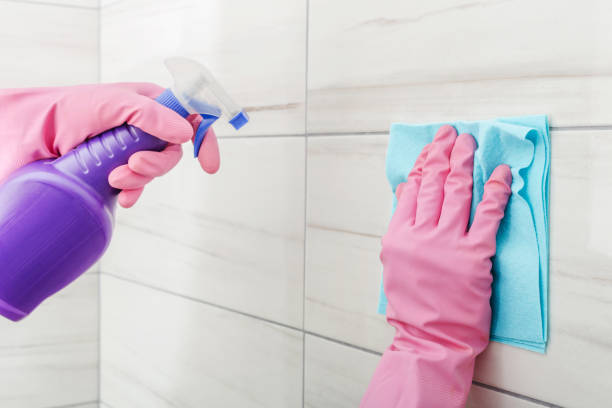
Start by wiping down the surface of your bathroom tiles with a microfiber cloth or sponge to remove dust and debris. Use a gentle bathroom tiles cleaner that won’t damage the surface of your tiles. Spray the cleaner on the tiles and let it sit for a few minutes to allow it to break down dirt and grime.
Step 2 – Scrub Away Grime and Soap Scum
Use a soft brush or sponge to scrub the tiles gently. Focus on areas with visible stains, soap scum, and grime. Pay close attention to grout lines, as they tend to trap dirt more easily. For stubborn spots, apply a grout cleaner and let it sit for a few minutes before scrubbing.
Step 3 – Remove Mold and Mildew
Mould and mildew are common issues in damp bathrooms. For mould removal, use a specialised cleaner that targets mould and mildew. If you prefer a natural solution, mix equal parts of white vinegar and water and apply it to the affected areas. Scrub gently with a brush to remove the growth. Always ensure you ventilate the bathroom well to avoid inhaling spores.
Step 4 – Rinse and Dry
After scrubbing, rinse the tiles with warm water to remove any cleaning solution. Use a squeegee to remove excess water from the tiles and prevent water spots. Finally, dry the tiles with a microfiber cloth to restore their shine and prevent streaking.
Best Tile Cleaning Solutions for Your Bathroom
Not all tile cleaning solutions are created equal. Here are some of the best options to help you keep your bathroom tiles clean and shiny:
1. Commercial Tile Cleaners
Commercial bathroom tiles cleaner products are specifically formulated to remove tough stains, soap scum, and grime. Many contain powerful ingredients like bleach or hydrogen peroxide that break down tough build-ups and disinfect tiles effectively.
2. Natural Tile Cleaning Solutions
If you prefer a more eco-friendly approach, natural tile cleaning solutions such as vinegar, baking soda, and lemon juice are great options. These ingredients are non-toxic and effective at cutting through grime, soap scum, and mold, making them perfect for regular bathroom maintenance.
3. Specialised Grout Cleaner for Tough Stains
Grout is often the hardest part of bathroom tiles cleaning, as it tends to collect dirt and stains over time. A specialised grout cleaner is essential for deep cleaning grout lines and restoring their original color. Use it alongside a bathroom tiles cleaner to ensure a thorough clean.
4. Multi-Surface Tile Cleaners
Some bathroom tiles cleaner products are designed for use on multiple surfaces, including glass, ceramic, and natural stone. These cleaners are versatile and can be used throughout your bathroom to clean your tiles, countertops, and even your shower doors.
Pro Tip: Always check the label to ensure the product is safe for the type of tile you have.
Preventing Future Tile and Grout Issues
The key to maintaining your bathroom tiles is prevention. Here are some tips to keep your bathroom sparkling and prevent future buildup.
Keep Tiles Dry
Moisture is one of the leading causes of mould and mildew buildup. After showers or baths, wipe down your tiles and grout with a squeegee or microfiber cloth to prevent water spots and reduce the growth of mold.
Use a Shower Mat
Using a shower mat can help absorb excess moisture and keep your tiles dry. It’s especially useful in high-humidity areas like the shower or bathtub.
Regular Cleaning is Key
Performing regular cleaning using a bathroom tiles cleaner helps maintain the shine and cleanliness of your tiles. Clean your tiles at least once a week to avoid dirt and grime accumulation, and ensure your grout remains free from stains.
Advanced Tile Care Tips for Long-lasting Cleanliness
If you want your bathroom tiles to stay pristine for years, it’s important to follow advanced tile care practices. Here are some expert tips to ensure your bathroom tiles remain sparkling and free from grime:
Seal Your Grout for Added Protection
Grout is porous and can absorb moisture, which leads to staining and the growth of mould and mildew. One way to keep your grout looking clean and prevent water damage is by applying a grout sealer. This will protect the grout from absorbing moisture and staining agents, making it much easier to maintain.
How to Apply: Once your grout is clean and dry, apply a grout sealer with a small applicator or brush, making sure to cover the entire grout line. Let it dry as instructed before using the shower or bath.
Clean Your Tiles Regularly
Regular cleaning is the best way to prevent build-up and maintain the shine of your tiles. It’s important to clean your tiles at least once a week to prevent soap scum, dirt, and bacteria accumulation. Use a mild bathroom tiles cleaner that is safe for your specific type of tiles.
Pro Tip: Use a microfiber mop or soft sponge to avoid scratching the surface of your tiles.
Use a Natural Mold Removal Solution
For ongoing mould removal, vinegar or hydrogen peroxide can be used as natural, effective mold-killing solutions. Regularly spraying your bathroom tiles with these natural ingredients can help keep mold at bay and prevent long-term damage.
Pro Tip: Add a few drops of essential oils like tea tree oil or lavender to the vinegar solution to add a fresh scent to your bathroom while cleaning.
Troubleshooting Common Bathroom Tile Issues
Even with regular cleaning and care, bathroom tiles can face common issues that may require specific attention. Here’s how to troubleshoot and fix them:
Stubborn Soap Scum on Tiles
Soap scum can quickly build up on bathroom tiles, especially around the shower area. To remove it effectively, use a bathroom tiles cleaner that targets soap scum build-up. Apply the cleaner directly to the affected areas, leave it to sit for a few minutes, and then scrub the surface with a soft brush.
Pro Tip: Use a squeegee after each shower to prevent soap scum from forming on your tiles.
Grout Discolouration
Grout lines can become discoloured over time due to moisture, dirt, and mildew. To restore their original colour, use a dedicated grout cleaner. Apply it to the grout lines, let it sit, and scrub with a toothbrush to remove stains.
Pro Tip: Apply a grout sealer to prevent future discolouration.
Cracked or Loose Tiles
Cracked or loose tiles can create a dangerous environment in your bathroom and are also harder to clean effectively. If you notice tiles that are cracked or loose, it’s important to address the issue as soon as possible. For loose tiles, you may need to reapply adhesive and secure them. For cracked tiles, replacing the tile is necessary.
Pro Tip: For a quicker fix, professional services like Athena Cleaning Services can handle tile repairs and regrouting for you.
How to Maintain Bathroom Hygiene with Clean Tiles
Here’s how to ensure that your tiles stay fresh and your bathroom remains a hygienic space:
Use a Bathroom Ventilation System
A proper ventilation system is key to preventing excess moisture in your bathroom. Without ventilation, moisture can linger on your tiles, encouraging mould and mildew growth. Consider installing an exhaust fan or opening a window after each shower to reduce humidity.
Pro Tip: Run the fan for 10-15 minutes after using the shower to ensure that moisture has been adequately removed.
Regular Deep Cleaning for Bathroom Hygiene
While regular cleaning is essential, it’s important to perform deep cleaning every few months. A bathroom tiles cleaner will remove any stubborn grime, mould, and soap scum that may have accumulated over time.
Pro Tip: Schedule a professional cleaning service every 6 months for the deepest clean possible.
Keep Grout Clean with Regular Scrubbing
Grout lines are particularly prone to staining and mold growth. Regular scrubbing with a grout cleaner will keep your grout looking fresh and prevent discoloration.
Pro Tip: Apply a grout sealer after cleaning to prevent future mould buildup
Why Choose Athena Cleaning Services for Your Tile Care Needs
At Athena Cleaning Services, we know that keeping your bathroom tiles clean and well-maintained can be time-consuming. That’s why we’re here to help! Here’s why you should trust us with all your tile cleaning solutions:
Expertise and Experience
Our team is highly trained and experienced in cleaning all types of bathroom tiles. We use only the best products and techniques to remove dirt, grime, mould, and soap scum, ensuring your tiles are left sparkling clean.
Customised Solutions
Every bathroom is different, and we tailor our cleaning services to meet the unique needs of your space. From ceramic, porcelain, or natural stone tiles, we provide customised solutions that work best for your bathroom.
Convenient and Reliable
We understand how busy life can be, which is why we offer flexible scheduling for our clients. You can rely on us to show up on time, ready to give your bathroom the deep clean it deserves.
Affordable Services for Every Home
At Athena Cleaning Services, we believe that a clean bathroom should be accessible to everyone. That’s why we offer competitive pricing for our bathroom tiles cleaning services without compromising on quality.
Transform Your Bathroom Today with Expert Tile Cleaning Solutions!
Ready to give your bathroom tiles a deep, sparkling clean? Let Athena Cleaning Services take the hassle out of tile cleaning with our professional bathroom tiles cleaner services. From grout cleaning to mold removal, we have the tools and expertise to make your tiles shine like new. Say goodbye to grime and buildup, and enjoy a cleaner, healthier bathroom. Contact us today to schedule your professional cleaning and experience the difference!
Book Your Tile Cleaning Service Now
🔨 Learn about our Athena Cleaning Services: About Us
🏆 See our Before and After Gallery: Gallery
🎨 Read What Our Clients Have to Say: Wall of Trust
📖 Read our Blogs: Insights & Tips
📞 Call us at: +65 9247 1009
📧 Email us at: athenateamcleaning@gmail.com
🌐 Visit our website: www.athenacleaningservices.sg
📍 Address: 2 Venture Drive, #14-02, Vision Exchange, Singapore 608526
Choosing the Right Shower Tile Cleaner for Singapore Bathrooms
Not every shower tile cleaner suits Singapore's humid, tropical conditions. Bathrooms in HDB flats and condos rarely dry out fully, so soap scum, hard-water marks and mould build up faster than in cooler climates. The right product depends on your tile material, the type of staining and how delicate your grout is. Matching the cleaner to the problem saves you scrubbing time and protects the finish.
Acidic cleaners cut through mineral deposits and soap scum quickly, but they can etch natural stone like marble and travertine. Alkaline or enzyme-based formulas are gentler and tackle organic grime and mildew. For everyday upkeep, a pH-neutral spray is safest across ceramic, porcelain and homogeneous tiles. Always test any new shower tile cleaner on a hidden corner first, especially in older flats where original glazing may have worn thin.
Acidic vs Alkaline Cleaners
Acidic products (citric, phosphoric or sulfamic acid) dissolve limescale and white hard-water rings fast, making them ideal for glazed ceramic and porcelain. Alkaline cleaners loosen grease, body oils and mould. Use acidic on mineral stains, alkaline on organic grime, and never combine the two. On marble or terrazzo, skip acid entirely and reach for a stone-safe, pH-neutral shower tile cleaner instead.
Reading Tile and Grout Labels
Before buying, check whether your tiles are glazed, unglazed, porcelain or natural stone, as this dictates safe chemistry. Cement grout is porous and absorbs both stains and harsh cleaners, while epoxy grout resists most products. If you are unsure, a quick water-drop test helps: water that soaks in fast means a porous surface that needs gentler, sealing-friendly care rather than aggressive acid.
- Use pH-neutral sprays for daily maintenance on ceramic and porcelain
- Reserve mild acidic cleaners for stubborn hard-water and soap-scum marks
- Avoid all acids on marble, granite and terrazzo surfaces
- Spot-test any new product on a hidden tile before full application
Step-by-Step: How to Use a Shower Tile Cleaner Effectively
A good shower tile cleaner only works if you give it time and the right technique. Rushing the process leaves streaks and forces you to repeat the job. Start by clearing the cubicle, then ventilate by opening windows or running the exhaust fan, since many products release strong fumes in a closed HDB bathroom. Work top to bottom so dirty runoff never lands on tiles you have already finished.
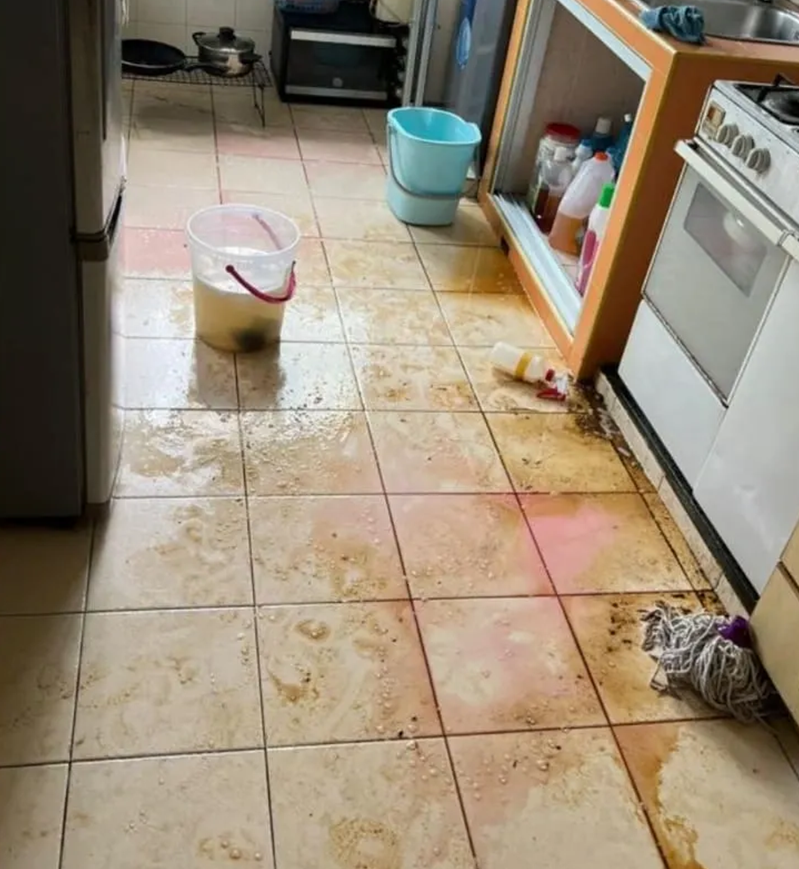
Dwell time is the secret most people miss. Spray, then wait five to ten minutes so the cleaner can break down soap scum and grout grime before you scrub. Use a soft nylon brush on grout lines and a microfibre cloth on tile faces to avoid scratching. Rinse thoroughly with warm water, then squeegee and wipe dry to stop new water marks from forming overnight.
Pre-Soak and Dwell Time
Apply your shower tile cleaner generously and let it sit rather than scrubbing immediately. Five minutes suits light grime; ten to fifteen minutes helps with set-in mould and heavy soap scum. Keep the surface wet during this window, re-misting if it starts to dry. This dwell time does most of the work, so you scrub far less and protect both your grout and your wrists.
Scrubbing and Rinsing
Scrub grout lines with a stiff nylon brush and tile faces with a soft sponge, working in small circles. Old toothbrushes are handy for corners and silicone seals. Rinse from the top down with clean water, making sure no cleaner residue remains, as leftover film attracts dirt fast. Finish by squeegeeing the walls and wiping the screen so your bathroom dries streak-free.
- Ventilate the bathroom before spraying any chemical cleaner
- Allow five to fifteen minutes of dwell time for tough stains
- Scrub grout with nylon brushes, never metal wire or abrasive pads
- Squeegee and towel-dry after rinsing to prevent fresh water marks
Tackling Grout Stains, Mould and Soap Scum
Singapore's constant humidity makes black mould and pink bacterial film a recurring battle, especially in grout joints and silicone seals. A shower tile cleaner alone may lift surface colour, but deep-set mould often needs a dedicated mould remover or an oxygen-bleach paste left on overnight. Soap scum, meanwhile, is a waxy layer of body oils and mineral residue that responds best to warm water and a degreasing, slightly alkaline formula.
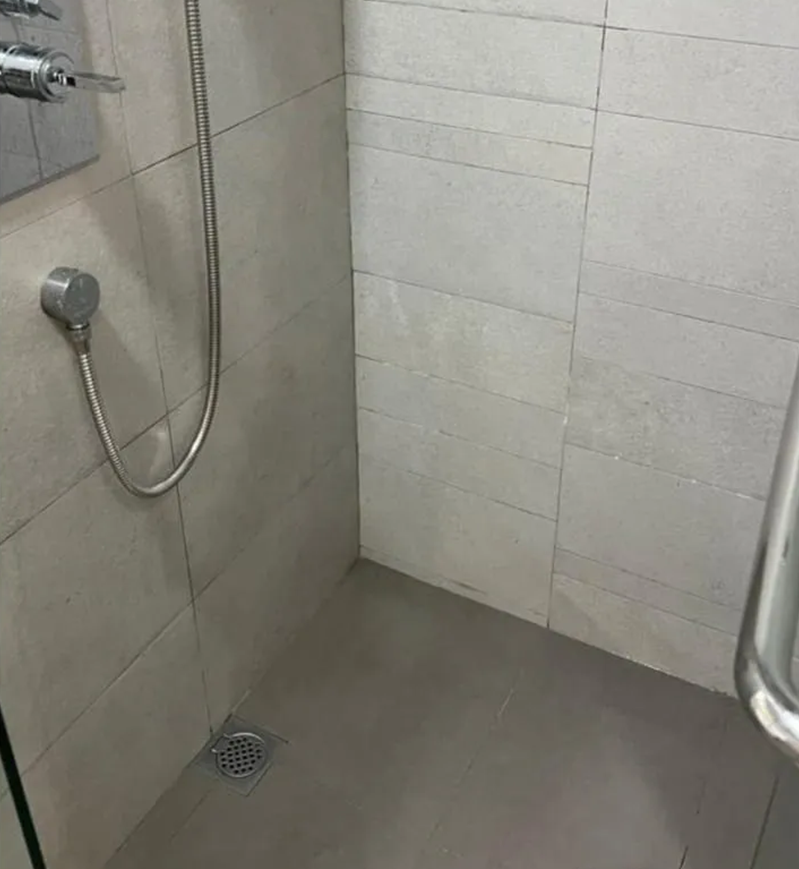
Hard-water spotting from Singapore's mineral content shows as cloudy white patches on glass and tiles. A diluted acidic cleaner or a vinegar solution clears these, but rinse quickly to protect grout. For yellowed grout, a baking-soda and water paste scrubbed in before your usual cleaner brightens lines noticeably. Persistent staining that returns within days usually signals porous, unsealed grout that needs resealing rather than more scrubbing.
Removing Black Mould Safely
For black mould in grout and silicone, apply a mould-specific gel or an oxygen-bleach paste and leave it for several hours in a ventilated room. Avoid mixing bleach with acidic cleaners, which creates toxic fumes. If mould keeps returning to the same seal, the silicone may be perished and need replacing rather than cleaning, a common fix in older HDB shower screens.
Restoring Dull, Yellowed Grout
Yellowed or grey grout responds to a baking-soda paste worked into the lines with a stiff brush, followed by your shower tile cleaner and a thorough rinse. Once dry, applying a grout sealer every twelve months keeps stains from soaking back in. Heavily discoloured grout that no longer brightens may need professional steam cleaning or recolouring to look fresh again.
- Use oxygen bleach or a dedicated gel for deep grout mould
- Clear hard-water spots with a quick diluted-acid wipe and rinse
- Brighten yellow grout with a baking-soda paste before your cleaner
- Reseal cement grout yearly to slow future staining
Maintenance, Pricing and When to Call the Pros
Daily habits decide how often you reach for a heavy-duty shower tile cleaner. A quick squeegee and a wipe-down after each shower removes most water before it leaves marks, while a weekly spray-and-rinse keeps soap scum from hardening. Running the exhaust fan for fifteen minutes after bathing dramatically reduces mould in humid Singapore flats. These small routines mean you scrub deeply far less often.
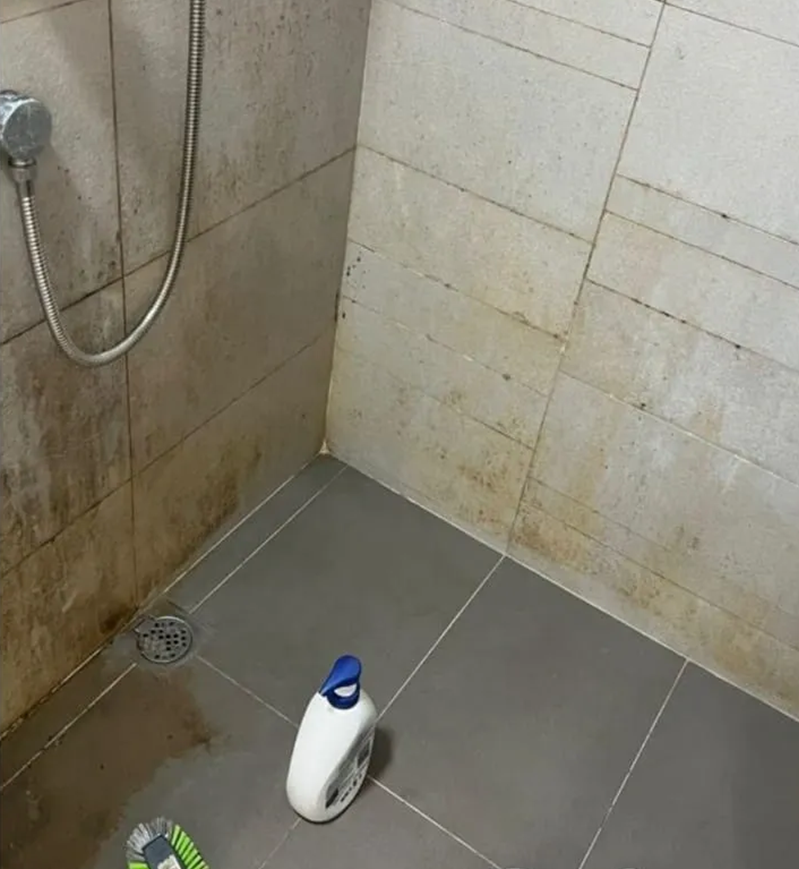
Even with good upkeep, grout discolouration, ingrained mould and dull tiles eventually need a professional deep clean. Athena Cleaning Services uses commercial-grade equipment and the right shower tile cleaner for each surface, reaching grime that home products miss. For badly neglected bathrooms, professional steam cleaning and resealing restore a sparkle that DIY rarely achieves, and it protects your tiles from long-term damage.
Typical Singapore Cleaning Costs
A standalone professional bathroom deep clean in Singapore typically ranges from around S$80 to S$180 per bathroom, depending on size and condition. Whole-home cleaning packages that include bathrooms often start near S$150 to S$300. Grout resealing or recolouring is usually quoted separately. Getting the right shower tile cleaner and method from professionals often costs less than replacing stained tiles.
Signs You Need Professional Help
Call in the pros when mould returns within days of cleaning, grout stays grey no matter how hard you scrub, or tiles feel permanently slippery from built-up film. These are signs of porous grout, perished sealant or grime beyond DIY reach. A one-off professional service resets the bathroom, after which your home shower tile cleaner keeps it looking fresh much longer.
- Squeegee glass and tiles after every shower to cut water marks
- Run the exhaust fan for fifteen minutes to reduce humidity and mould
- Schedule a professional deep clean for set-in grout and mould
- Reseal grout during professional visits to extend results

Frequently Asked Questions
What is the best shower tile cleaner for HDB bathrooms?
For most HDB bathrooms with glazed ceramic or porcelain tiles, a pH-neutral or mildly alkaline spray works best for everyday cleaning, with a diluted acidic cleaner reserved for hard-water spots. If you have natural stone, choose a stone-safe formula only. Always test on a hidden tile first and ventilate the room while cleaning.
How do I remove black mould from shower grout in Singapore?
Apply a mould-specific gel or an oxygen-bleach paste directly to the grout, leave it for several hours in a ventilated bathroom, then scrub with a nylon brush and rinse. Never mix bleach with acidic cleaners. If mould keeps returning to the same silicone seals, the sealant has likely perished and should be replaced rather than re-cleaned.
How often should I deep clean my bathroom tiles?
With a quick daily squeegee and a weekly spray-and-rinse, most Singapore bathrooms need a deep clean every two to three months. Humid flats with poor ventilation may need monthly attention to keep mould and soap scum under control. Booking a professional deep clean two to four times a year keeps grout and tiles looking their best.
Can I use vinegar as a shower tile cleaner?
Diluted white vinegar works well on glazed ceramic and porcelain for hard-water spots and light soap scum, and it is budget-friendly. However, never use vinegar or any acid on marble, granite or terrazzo, as it etches the surface. Rinse thoroughly afterwards, since acidic residue left in cement grout can weaken it over time.
How much does professional bathroom cleaning cost in Singapore?
A standalone professional bathroom deep clean usually costs around S$80 to S$180 per bathroom, depending on size and how heavily soiled it is. Whole-home packages that include bathrooms often start from S$150 to S$300. Grout resealing or recolouring is typically quoted separately. Contact Athena Cleaning Services for an accurate quote based on your home.
Why does soap scum keep coming back on my tiles?
Soap scum forms when body oils and bar-soap residue bind with Singapore's mineral-rich water, leaving a waxy film. Switching to a liquid body wash, squeegeeing after each shower and wiping tiles dry all slow it down. A weekly degreasing shower tile cleaner removes the layer before it hardens and becomes difficult to scrub off.