


Mold and mildew can turn your cozy home into a health hazard, especially in Singapore’s humid climate. The importance of house decontamination cannot be overstated, as these silent invaders thrive in damp environments, posing serious health risks. This article dives into effective strategies to tackle mold and mildew, ensuring your home remains a safe and healthy sanctuary.
Understanding Mold and Mildew
Definition and Types of Mold
Mold is a type of fungus that flourishes in damp, humid environments. These microscopic organisms come in various colors and forms, with the most common household varieties being black mold (Stachybotrys chartarum), green mold (Cladosporium), and white mold (Penicillium). Each type has distinct characteristics but shares a common trait: they spread rapidly when conditions are favorable.
Common Areas for Mold Growth
Mold can develop in numerous areas around your home, particularly where moisture is prevalent. Key hotspots include:
- Bathrooms: The constant use of water makes bathrooms a prime location for mold growth, especially around showers, bathtubs, and sinks.
- Kitchens: Mold often appears under sinks, behind refrigerators, and around leaky faucets due to frequent water use and spills.
- Basements: These areas are typically damp and poorly ventilated, creating an ideal environment for mold.
- Attics: Roof leaks and poor ventilation can lead to mold growth in attics.
- Windowsills: Condensation on windows can foster mold, especially in older homes with single-pane windows.
Health Risks Associated with Mold and Mildew
Mold and mildew are not just unsightly; they pose significant health risks. Prolonged exposure to mold spores can lead to a variety of health issues, including:
- Allergic Reactions: Symptoms such as sneezing, runny nose, red eyes, and skin rashes are common in people sensitive to mold.
- Respiratory Problems: Mold exposure can exacerbate asthma symptoms and cause respiratory issues like coughing and wheezing.
- Chronic Health Issues: Long-term exposure can lead to more serious conditions such as chronic bronchitis or fungal infections.
- Immune System Suppression: Mold can weaken the immune system, making individuals more susceptible to infections.
By understanding mold and mildew, you can take proactive steps towards effective house decontamination, ensuring a safer living environment for you and your family.
Causes of Mold and Mildew in Singapore Homes
-
High Humidity Levels
Singapore’s tropical climate is characterized by high humidity levels, often exceeding 80%. This persistent moisture in the air creates an ideal breeding ground for mold and mildew. Homes in Singapore must manage indoor humidity levels to prevent mold growth. Using dehumidifiers and air conditioners can help maintain humidity below 60%, reducing the risk of mold infestations and the need for extensive house decontamination.
-
Poor Ventilation
Inadequate ventilation is a common issue in many Singaporean homes. Without proper airflow, moisture from daily activities like cooking, showering, and even breathing can accumulate, leading to damp conditions. Ventilation helps to disperse this moisture, preventing it from settling and creating a conducive environment for mold. Installing exhaust fans in bathrooms and kitchens, and regularly opening windows to promote natural air circulation, can significantly mitigate this risk.
-
Water Leaks and Dampness
Water leaks, whether from plumbing issues, roof damage, or condensation, are primary contributors to mold growth. Even minor leaks can lead to significant mold problems if not promptly addressed. In Singapore, the monsoon season can exacerbate these issues, making it crucial for homeowners to inspect and repair leaks quickly. Regular checks of plumbing systems, roofs, and windows, coupled with prompt repairs, are essential steps in house decontamination efforts to prevent mold and mildew.
Identifying Mold and Mildew in Your Home
Identifying mold and mildew in your home is crucial for effective house decontamination. Let’s explore how you can spot these unwelcome invaders.
Visual Signs of Mold
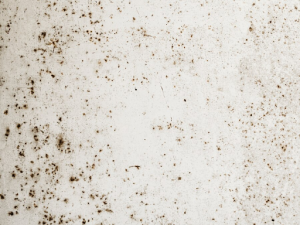
- Discoloration on Walls and Ceilings:
- Black or Green Spots on Surfaces:
Musty Odors
- Persistent Musty Smell: A consistent musty or earthy odor is a strong indicator of mold. This smell is due to the release of microbial volatile organic compounds (MVOCs) by mold as it grows.
- Odor Strength in Different Areas: The strength of the musty odor can vary in different areas of your home. If certain spots emit a stronger smell, mold might be concentrated there, even if it’s not visible.
Choosing the Right House Disinfection Professionals
Selecting the right professionals for house decontamination is crucial to achieving the best results. Here’s a guide to help you make an informed choice.
Qualities of Reliable Domestic Contamination Removal Services
When evaluating potential service providers, look for the following qualities:
- Certification and Training: Ensure the professionals are certified by relevant authorities and have undergone extensive training in mold remediation and house decontamination.
- Experience and Expertise: Choose companies with a proven track record in dealing with mold issues, particularly in climates similar to Singapore’s.
- Comprehensive Services: Opt for providers who offer a full range of services, from inspection to remediation and prevention.
- Positive Reviews and References: Check online reviews and ask for references to gauge customer satisfaction and reliability.
- Transparent Pricing: Reliable companies provide clear, upfront pricing with no hidden costs.
Cost of Mold and Mildew Decontamination
Factors Affecting the Cost
Several factors influence the cost of house decontamination for mold and mildew:
- Extent of Infestation: The more widespread the mold, the higher the cost. Small patches are cheaper to address than extensive infestations covering large areas.
- Type of Mold: Certain types of mold, like black mold (Stachybotrys), require more intensive treatment due to their toxic nature, increasing the overall cost.
- Location of Mold: Mold in hard-to-reach places, such as behind walls or under floors, is more challenging and costly to remove.
- Damage Repair: Mold can damage structural elements and furnishings, and repairing this damage adds to the total cost.
- Preventive Measures: Implementing measures to prevent future mold growth, such as improving ventilation or installing dehumidifiers, can also affect the cost.
Average Pricing in Singapore
In Singapore, the cost of professional mold and mildew decontamination varies widely based on the factors mentioned above. On average, homeowners can expect to pay:
- Minor Infestations: SGD 500 to SGD 1,500 for small areas or early-stage mold issues.
- Moderate Infestations: SGD 1,500 to SGD 3,000 for more extensive mold problems, including those in multiple rooms.
- Severe Infestations: SGD 3,000 to SGD 5,000 or more for severe and widespread mold infestations requiring significant remediation efforts.
These prices include inspection, removal, cleaning, and preventive measures. For a more accurate estimate, it’s best to get a quote from a reputable house decontamination service like Athena Team Cleaning.
Take Action Now for a Healthier Home!
Maintaining a mold-free home is crucial for your health and well-being. We’ve covered the essentials of house decontamination, from identifying mold and mildew to employing effective removal techniques.
Regular maintenance, prompt repairs, and professional intervention can keep mold and mildew at bay, ensuring a healthy living environment. If you suspect a mold problem, don’t hesitate to seek expert assistance. Prioritize house decontamination to enjoy a safe, healthy home.
For expert mold removal and prevention, visit Athena Cleaning Services. They offer comprehensive decontamination services to keep your home mold-free and healthy