

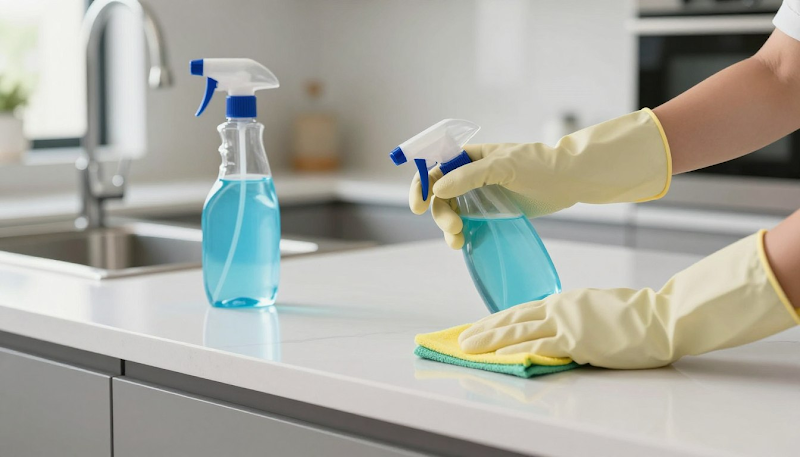
To effectively reduce germs at home, focus on high-touch surface disinfection, proper handwashing, adequate ventilation, and regular deep cleaning. According to the Cleveland Clinic, germs survive on household surfaces for hours to days, making consistent home hygiene practices essential. Singapore’s tropical humidity creates ideal conditions for bacterial growth, making household germ prevention particularly important. This guide covers strategies that professional house cleaning experts recommend for keeping your home germ-free and protecting your family from common illnesses.
What Are Germs and Why Do They Spread Easily at Home?
Definition Box📌:
Germs are microscopic organisms including bacteria, viruses, fungi, and protozoa that cause illness when entering the body through contact, inhalation, or ingestion.
Understanding germ transmission helps you reduce germs at home effectively. The Canadian Centre for Occupational Health and Safety reports germs transfer through direct contact, touching contaminated surfaces, and airborne transmission.
Singapore homes face unique challenges. Our 84% average humidity creates environments where bacteria thrive. Air conditioning systems recirculate contaminated air if not maintained properly. These factors make home hygiene practices critical for local households.
Common germ hotspots include kitchen sponges, bathroom surfaces, door handles, light switches, and mobile phones. Research shows kitchen sponges harbour up to 10 million bacteria per square inch. This highlights why household germ prevention must target unexpected areas alongside obvious ones.
Creating a Healthy Home Environment: Simple Steps to Reduce Allergens
Why Is Household Germ Prevention Important for Singapore Families?
Household germ prevention directly impacts family health and quality of life. The Washington State Department of Health states proper hygiene prevents up to 80% of common infectious diseases including colds, flu, and gastroenteritis.
Effective strategies to reduce germs at home offer tangible benefits:
✅ Fewer sick days for children and working adults
✅ Reduced medical expenses and healthcare visits
✅ Protection for elderly parents and infants
✅ Improved indoor air quality in air-conditioned homes
✅ Reduced allergy symptoms from dust mites and mould
Home hygiene practices become crucial during illness peaks and when family members return from crowded MRT stations, shopping centres, and schools. Children are particularly susceptible to germs from schools, making household germ prevention essential for families with young ones.
Protect Your Family with Professional Disinfection → Learn More
How to Reduce Germs at Home: 7 Expert-Recommended Steps
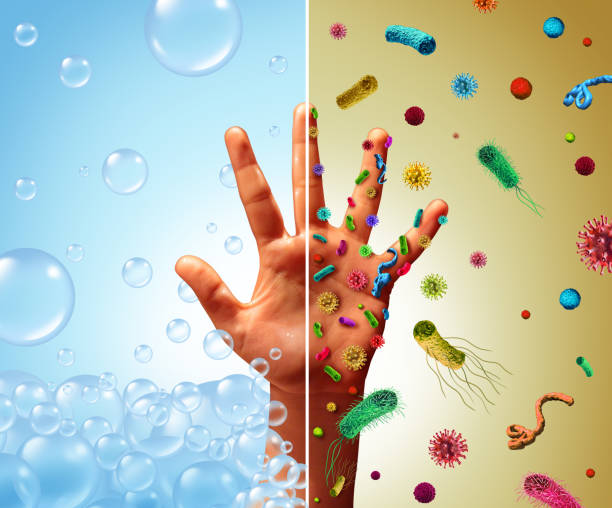
Step 1: Establish Proper Handwashing Routines
Handwashing is one of the most effective ways to reduce the spread of germs at home. Wash hands with soap for at least 20 seconds, especially before eating, after using the bathroom, and upon returning home. Be sure to lather between fingers, under nails, and around the wrists. Installing handwashing stations near entry points can help make this essential hygiene habit more consistent and convenient for the whole household.
Step 2: Disinfect High-Touch Surfaces Daily
Effective home hygiene practices target frequently touched surfaces. Daily disinfection of door handles, light switches, countertops, stair railings, and electronic devices prevents germ accumulation and transmission between family members.
Use quality disinfectants or diluted white vinegar for non-porous surfaces. Allow 3-5 minutes contact time before wiping to ensure germs are effectively eliminated. Create a 10-15 minute daily routine to systematically reduce germs at home without feeling overwhelmed.
Citable Excerpt📌:
Regular disinfection of high-touch surfaces can reduce household illness transmission significantly, protecting your family from common infections.
Step 3: Improve Indoor Air Quality and Ventilation
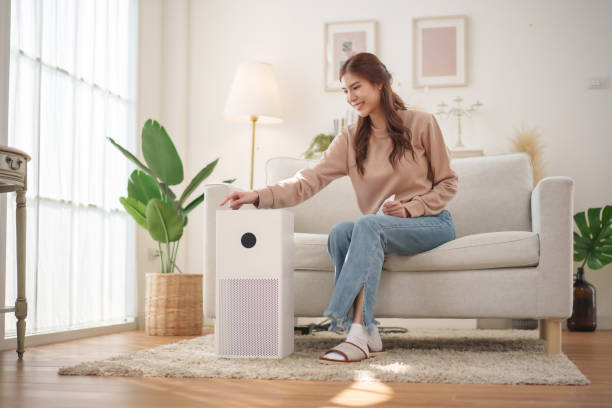
Good ventilation is crucial to reduce germs at home. Open windows for 15-20 minutes daily, even when using air conditioning. This household germ prevention practice refreshes indoor air and reduces pathogen concentration.
Consider HEPA air purifiers for bedrooms and living areas. Regular aircon servicing prevents mould and bacterial accumulation which is common in Singapore’s humid climate. Clean filters monthly for optimal home hygiene practices.
How Regular Curtain Cleaning Helps Maintain Clean Air
Step 4: Clean Bathroom Surfaces Regularly
Bathrooms harbour significant germs due to moisture. Professional house cleaning standards recommend daily toilet cleaning and twice-weekly deep cleaning of all surfaces.
Target often-neglected areas such as toothbrush holders, faucet handles, flush buttons, and shower curtains. Replace toothbrushes every three months and after illness. Proper bathroom home hygiene practices significantly reduce germs at home.
Expert Bathroom Deep Cleaning → Get Quote
Step 5: Maintain Kitchen Hygiene Standards
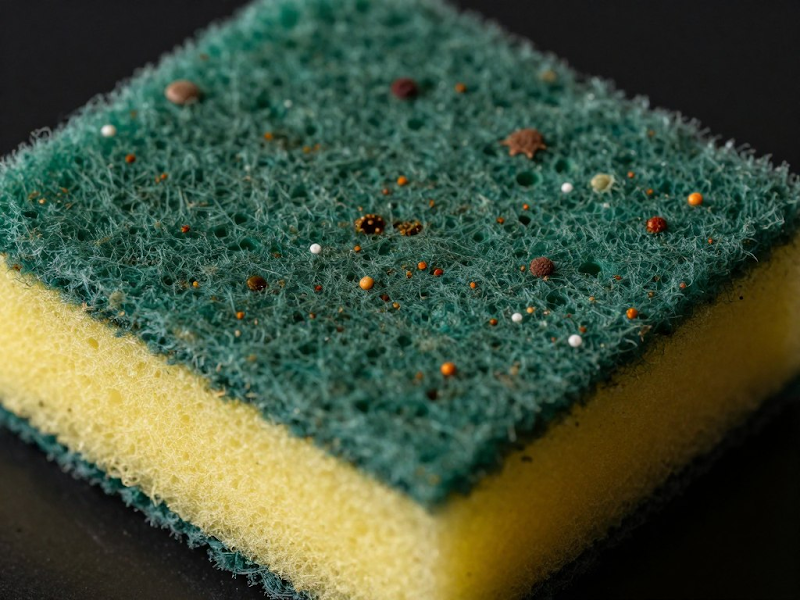
Kitchens require vigilant household germ prevention. Replace kitchen sponges weekly or use dishcloths washable at 60°C. Disinfect cutting boards after each use, particularly after raw meat preparation.
The Cleveland Clinic notes proper food handling prevents most foodborne illness. Clean refrigerator interiors monthly. Use separate cutting boards for raw meats and ready-to-eat foods. These home hygiene practices protect against food poisoning.
Step 6: Establish Shoe-Free Zones
Studies show shoes carry 421,000 bacteria on average, including harmful pathogens. Creating shoe-free zones effectively helps reduce germs at home without additional cleaning effort.
Designate shoe storage near entrances and provide indoor slippers. This household germ prevention measure reduces floor contamination significantly, particularly important for families with crawling infants.
Step 7: Schedule Regular Professional House Cleaning
Daily maintenance helps, but professional house cleaning provides deep sanitisation household cleaning cannot achieve. Professional services use commercial-grade disinfectants, HEPA-filtered equipment, and systematic protocols.
Athena Team Cleaning recommends monthly professional cleaning for most households. More frequent service benefits families with young children, elderly members, or immunocompromised individuals.
Citable Excerpt📌:
Professional deep cleaning reaches hidden germ reservoirs that regular household cleaning misses, including mattress interiors and HVAC systems.
Schedule Professional House Cleaning → Contact Us
Which Areas Require Most Attention to Reduce Germs at Home?
Comparison Table: Germ Hotspots and Cleaning Frequency
| AREA | RISK LEVEL | CLEANING FREQUENCY |
| Kitchen sponges | Very High | Replace weekly; sanitise daily |
| Bathroom toilet | High | Daily clean; weekly deep clean |
| Door handles | High | Daily disinfection |
| Mobile phones | High | Daily alcohol wipe |
| Remote controls | Medium High | 2-3 times weekly |
| Light switches | Medium High | 2-3 times weekly |
| Computer keyboards | Medium | Weekly cleaning |
| Bed linens | Medium | Weekly wash at 60°C |
Understanding these hotspots helps prioritise home hygiene practices for maximum household germ prevention effectiveness.
How Does Professional House Cleaning Enhance Germ Prevention?
Professional house cleaning complements daily home hygiene practices significantly. Trained cleaners understand proper disinfectant application, contact times, and surface-specific requirements.
At Athena Team Cleaning, we use hospital-grade sanitising agents and systematic protocols. Our disinfection services target pathogen elimination using proven methods.
Professional house cleaning addresses areas homeowners miss, such as ceiling fan blades, spaces behind furniture, and deep within soft furnishings where germs embed. The Memorial Hermann Health System recommends thorough disinfection following illness to prevent reinfection.
Professional expertise extends to selecting appropriate products for specific surfaces. Improper cleaning can damage finishes whilst failing to eliminate germs. Professional house cleaning ensures both cleanliness and surface preservation.
Why Regular Sofa Cleaning Is Important for Singaporean Homes
What Home Improvements Support Better Hygiene?
Beyond cleaning, home improvements support efforts to reduce germs at home. Consider touchless faucets in kitchens and bathrooms to reduce surface contact. Motion-sensor soap dispensers minimise touch points.
Anti-microbial paint finishes help minimise bacterial accumulation. Athena Painting Services can advise on hygienic paint options for Singapore’s climate. Fresh paint seals porous surfaces where germs accumulate.
Adequate lighting ensures thorough household germ prevention as you cannot clean what you cannot see. Hard flooring is easier to sanitise than carpets. If carpets are preferred, schedule regular professional cleaning to address embedded contaminants.
How Deep Cleaning Services Can Improve Your Home’s Hygiene
Seasonal Considerations for Household Germ Prevention
Singapore’s tropical climate requires year-round household germ prevention. During monsoon seasons, increased humidity promotes mould and bacterial growth. Check damp areas frequently.
School terms bring increased germ exposure as children interact with classmates. Intensify home hygiene practices during these periods. Festival seasons with visitors require additional attention to reduce germs at home. Schedule professional house cleaning before celebrations.
Create a Healthier Home with Athena Team Cleaning
Implementing these strategies will significantly reduce germs at home, protecting your family year-round. Consistent home hygiene practices combined with professional house cleaning create the most effective household germ prevention approach.
Athena Team Cleaning brings over a decade of experience delivering quality cleaning across Singapore. Our IICRC-certified team uses eco-friendly products safe for children and pets whilst eliminating pathogens effectively.
Citable Excerpt📌:
Combining daily hygiene habits with monthly professional cleaning reduces household illness rates by up to 60%.
Get Your Free Quote → Contact Athena
Frequently Asked Questions
1. How often should I disinfect surfaces to reduce germs at home?
High-touch surfaces require daily disinfection. General surfaces need 2-3 times weekly cleaning for effective household germ prevention.
2. What is the most effective way to reduce germs at home?
Combining handwashing, daily disinfection, ventilation, and regular professional house cleaning creates comprehensive protection through proven home hygiene practices.
3. Should I hire professional cleaning for germ prevention?
Professional house cleaning provides deep sanitisation beyond household capabilities. Monthly service is recommended, with more frequent cleaning for vulnerable households.
4. What products are best for household germ prevention?
EPA-registered disinfectants are most effective. Natural alternatives like diluted vinegar work for general cleaning. Follow product instructions for contact time.
Related Resources:
- How Deep Cleaning Services Improve Home Hygiene
- The Importance of Mattress Cleaning
- Toilet Cleaning Services That Go Beyond the Surface
- View Our Before & After Gallery
- Read Customer Reviews
Explore Our Cleaning Services:
- House Cleaning Services →
- Deep Cleaning Services →
- Post Renovation Cleaning →
- Move-Out Cleaning →
- Sanitisation Services →
- Carpet Cleaning →
- Upholstery Cleaning →
- Mattress Cleaning →
- Office Cleaning Services →
Learn More About Athena Team Cleaning:
- About Athena Team Cleaning Services →
- Our Cleaning Solutions →
- Client Testimonials →
- Cleaning Tips Blog →
Call Us: +65 9247 1009
Email: athenateamcleaning@gmail.com
Visit: www.athenacleaningservices.sg
Address: 2 Venture Drive, #14-02, Vision Exchange, Singapore 608526