

Maintaining a healthy home environment is essential for your overall well-being, especially if you or your family members suffer from allergies or asthma. Indoor allergens—such as dust mites, pet dander, mould, and pollen—can significantly affect air quality and, in turn, your health. Breathing in these allergens can lead to frequent sneezing, runny noses, itchy eyes, and even respiratory difficulties, particularly for individuals with pre-existing conditions.
At Athena Team Cleaning, we’re dedicated to helping you create a cleaner, healthier home environment that reduces allergens and improves air quality. By implementing a few simple strategies and partnering with a professional cleaning service, you can breathe easier and enjoy a more comfortable home. In this guide, we’ll share expert tips on reducing allergens and enhancing air quality in your home.
Declutter to Minimise Dust Buildup
One of the simplest yet most effective ways to reduce allergens in your home is by decluttering. Dust tends to accumulate on items left out in the open, making it difficult to clean effectively. Cluttered surfaces and spaces not only attract dust but also make thorough cleaning nearly impossible, which can lead to increased allergen buildup over time.
Why Decluttering Helps Reduce Allergens
- Dust and allergens settle on surfaces: Items like books, knick-knacks, and clothing left on surfaces collect dust, making these areas a hotbed for allergens.
- Clutter makes cleaning difficult: The more items there are on a surface, the harder it is to clean thoroughly. Dust can build up in hard-to-reach places, such as behind furniture or under stacks of items.
- Minimises hidden allergen traps: Clutter can conceal areas that are prone to dust accumulation, such as underneath sofas, beds, or shelves.
Tips for Decluttering Your Home:
- Adopt a “less is more” philosophy: Keep surfaces clear by storing items in cupboards or drawers instead of leaving them out in the open.
- Establish a decluttering routine: Dedicate time each month to sorting through belongings and getting rid of items you no longer use. This makes your home easier to clean and reduces dust buildup.
- Use storage solutions: Storage bins, baskets, and shelves can help you organise your home and keep frequently used items accessible without cluttering surfaces.
By keeping your home free from unnecessary clutter, you’ll find that it’s easier to clean regularly and maintain a healthier environment overall.
Improve Ventilation and Air Quality
Proper ventilation is essential for reducing allergens and improving the air quality in your home. Without adequate airflow, indoor pollutants—including dust, pollen, and pet dander—can become trapped and recirculated. This can lead to stuffy, stale air that exacerbates allergy symptoms and decreases overall comfort.
Benefits of Improving Ventilation:
- Removes pollutants: Good ventilation helps eliminate indoor air pollutants and allergens, allowing fresh air to circulate throughout your home.
- Prevents moisture buildup: Proper ventilation also reduces excess moisture, which can prevent the growth of mould—a common allergen in many homes.
- Promotes healthy air quality: By allowing fresh air to enter your home, you dilute allergens and pollutants, resulting in cleaner, healthier air.
Ways to Improve Ventilation:
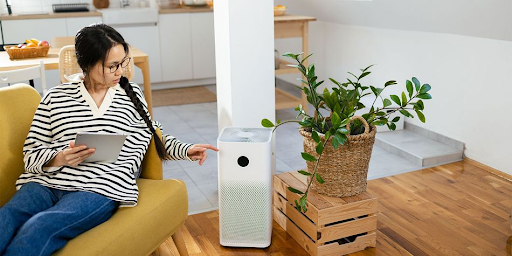
- Use air purifiers with HEPA filters: Air purifiers with HEPA filters are highly effective at capturing airborne allergens, including dust, pet dander, and pollen. According to Healthline, these filters can remove up to 99.97% of particles as small as 0.3 microns, making them an excellent choice for homes with allergy sufferers.
- Open windows regularly: Opening windows for even just a few minutes a day can help refresh the air inside your home. This allows indoor air pollutants to escape and fresh air to circulate. However, during high pollen seasons, it’s best to keep windows closed to prevent allergens from entering (more on that later).
- Install exhaust fans: In high-moisture areas like bathrooms and kitchens, exhaust fans can help reduce humidity and prevent mould growth. This is particularly important in Singapore’s humid climate, where moisture control is key to maintaining a healthy home.
Improving ventilation is a simple yet effective way to reduce allergens and keep your home’s air quality at its best.
Regular Dusting and Vacuuming
Dust and allergens can accumulate quickly, especially on surfaces like shelves, floors, and upholstery. Regular dusting and vacuuming are essential to keeping allergens at bay and ensuring that your home stays clean and healthy. However, it’s important to use the right tools and techniques to ensure you’re removing allergens effectively, rather than just pushing them around.
Effective Dusting and Vacuuming Techniques:
- Use a vacuum cleaner with a HEPA filter: HEPA-filtered vacuum cleaners are specifically designed to trap fine particles, including dust mites, pet dander, and pollen. Traditional vacuums without HEPA filters may release particles back into the air, reducing their effectiveness in allergen control.
- Dust with microfiber cloths: Unlike standard dusters, which often push dust around, microfiber cloths trap and hold dust, preventing it from being released back into the air. Regularly dust surfaces like shelves, window sills, and electronic devices to keep allergens in check.
- Vacuum carpets, rugs, and upholstery frequently: Soft furnishings like carpets and rugs are notorious for trapping allergens. Aim to vacuum carpets and rugs at least twice a week, especially in high-traffic areas, to remove dust, dirt, and other allergens.
Regular dusting and vacuuming play a vital role in maintaining a healthy home environment, especially in homes with pets or those prone to high dust levels.
Control Humidity Levels to Prevent Mould Growth
Humidity can be a major contributor to poor indoor air quality, particularly in tropical climates like Singapore’s. High humidity levels create the perfect environment for mould growth, which can trigger allergic reactions and asthma attacks. Mould spores thrive in moist environments and can spread quickly if left unchecked.
Tips for Managing Humidity:
- Use dehumidifiers: In humid areas like bathrooms, basements, and kitchens, dehumidifiers help control moisture levels. According to The American Lung Association, the ideal indoor humidity level should be between 30% and 50% to prevent mould growth.
- Ensure proper ventilation: Use exhaust fans in areas prone to high moisture, such as the bathroom and kitchen. This helps reduce the risk of mould by allowing air to circulate and moisture to escape.
- Fix leaks promptly: Leaky pipes, windows, or roofs can introduce moisture into your home, creating the perfect breeding ground for mould. Address any leaks as soon as possible to prevent mould from spreading.
Controlling humidity is essential for reducing mould growth and maintaining a healthier home environment.
Wash Bedding and Curtains Frequently
Your bedding, curtains, and upholstered furniture may be comfortable, but they’re also a hotspot for dust mites. These microscopic creatures thrive in fabrics and upholstery, feeding on dead skin cells and contributing to poor indoor air quality. Regular cleaning of these items is crucial to keeping allergens under control.
Bedding and Curtain Care:
- Wash bedding in hot water: To kill dust mites, wash your sheets, pillowcases, and blankets in hot water (at least 60°C) once a week. This effectively removes dust mites and other allergens, leaving your bedding clean and fresh.
- Vacuum or wash curtains regularly: Curtains can collect dust and pollen, especially if your windows are often open. Wash or vacuum curtains at least once a month to prevent dust buildup.
- Use allergen-proof covers: Allergen-proof covers for mattresses, pillows, and duvets can create a barrier that prevents dust mites from settling in your bedding.
By regularly washing bedding and curtains, you can significantly reduce the presence of dust mites in your home and improve your overall indoor air quality.
Manage Pet Dander
For pet owners, managing pet dander is an essential part of maintaining a healthy home environment. Pet dander—tiny flakes of skin shed by cats, dogs, and other animals—can easily become airborne and settle on surfaces throughout your home. Even if you don’t have allergies, guests may be sensitive to pet dander, so it’s important to take proactive steps to reduce it.
Managing Pet Dander Effectively:
- Groom and bathe pets regularly: Regular grooming and bathing reduce the amount of dander your pets shed. Brushing your pets outdoors is ideal, as it prevents dander from becoming airborne inside your home.
- Designate pet-free zones: Create pet-free zones, particularly in bedrooms, to minimise the presence of pet dander in areas where you sleep or relax. This helps reduce overall exposure to allergens.
- Clean pet bedding frequently: Wash pet bedding and vacuum areas where your pets spend the most time. This prevents dander from accumulating in these spaces and reduces the spread of allergens.
By following these steps, you can enjoy the companionship of your pets while keeping your home as allergen-free as possible.
Keep Windows Closed During High Pollen Seasons
While fresh air is beneficial for improving indoor air quality, it’s important to be mindful of pollen levels during certain seasons. Pollen is a major allergen that can easily enter your
home through open windows and settle on surfaces, exacerbating allergy symptoms.
How to Minimise Pollen Exposure:
- Keep windows closed during high pollen seasons: Pollen counts tend to be highest in the early morning and late evening, especially during spring and autumn. During these times, keep your windows closed and rely on air conditioning or fans to circulate air without letting pollen in.
- Use air conditioning with HEPA filters: If you’re using air conditioning, ensure the system is equipped with HEPA filters to trap pollen and other allergens.
- Clean air filters regularly: Regularly change or clean air filters in your air conditioning or ventilation system to ensure they are functioning effectively in removing pollen from the air.
Limiting pollen exposure during high seasons can greatly improve the comfort of your home and reduce allergy symptoms.
Use Allergen-Proof Furnishings and Carpets
The materials you choose for your home’s furnishings and flooring can have a significant impact on allergen levels. Certain fabrics and materials are more prone to trapping allergens like dust, pet dander, and pollen, while others are easier to clean and maintain.
Allergen-Resistant Furnishings:
- Opt for hard flooring: Carpets and rugs trap dust and allergens, making them difficult to clean thoroughly. Hard flooring options like tile, wood, or vinyl are easier to keep allergen-free and are less likely to harbour dust mites.
- Choose easy-to-clean furniture: Leather or vinyl furniture is less likely to attract dust and dander compared to fabric-upholstered furniture. These materials can be wiped down easily, preventing the buildup of allergens.
- Use washable area rugs: If you prefer having rugs in your home, opt for area rugs that can be easily washed. Regularly washing rugs helps remove allergens and keeps them from accumulating.
By selecting allergen-resistant materials for your home, you can reduce the amount of dust and dander that accumulates on surfaces.
Athena Team Cleaning Services – Your Partner in a Cleaner, Healthier Home
At Athena Team Cleaning, we are dedicated to providing professional cleaning services that help you maintain a healthy home environment. Our team understands the importance of reducing allergens in your home, and we use specialised cleaning techniques and products to target the areas where allergens hide.
Why Choose Athena Team Cleaning Services?
- Eco-friendly products: We prioritise the use of environmentally friendly cleaning products that are safe for your family, pets, and the environment. These products effectively reduce allergens without the use of harsh chemicals.
- HEPA-filtered vacuums: Our vacuums are equipped with HEPA filters, which trap dust mites, pet dander, pollen, and other allergens. This ensures that allergens are removed from your home, not recirculated.
- Comprehensive cleaning solutions: We offer a range of services, including deep cleaning, carpet and upholstery cleaning, and regular maintenance cleaning. Our team tailors each service to meet your specific needs, ensuring your home remains clean, fresh, and allergen-free.
Services Offered by Athena Team Cleaning
- Deep cleaning: Our deep cleaning services go beyond surface cleaning to target hard-to-reach areas where allergens accumulate, including under furniture, behind appliances, and in air vents.
- Carpet and upholstery cleaning: We use specialised techniques to clean carpets and upholstery thoroughly, removing trapped dust, pet dander, and other allergens.
- Regular maintenance cleaning: Our regular cleaning services help keep allergens at bay by maintaining a clean, healthy environment year-round. We work with you to create a cleaning schedule that suits your lifestyle and needs.
Trusted Cleaning Services in Singapore
Athena Team Cleaning has built a reputation for providing high-quality, reliable cleaning services to clients throughout Singapore. Our focus on customer satisfaction, attention to detail, and use of advanced cleaning technologies makes us a trusted partner in maintaining a healthy home.
Breathe Easy, Live Easy – Let Us Clean Up the Sneezy!
Ready to create a cleaner, healthier home environment? With Athena Team Cleaning, you can reduce allergens, improve air quality, and enjoy a more comfortable living space. Our team of experts is here to provide tailored cleaning solutions that prioritise your health and well-being.
Contact us today to book a free consultation or schedule a cleaning session. Let us help you create an allergen-free home where you and your family can breathe easy!