
Difference Between Standard and Deep Cleaning: Compare the Costs
In this article
- Key Takeaways
- Deep Cleaning vs Regular Cleaning: What's the Difference?
- How deep cleaning differs from regular cleaning
- When professional deep cleaning may be useful
- Deep cleaning of grout, fixtures, grease, and hard-to-reach areas
- Deep-cleaning cost and duration
- Athena Team Cleaning
- Make the Next Cleaning Choice Count
A longer clean isn’t automatically the better choice for every visit. The difference between standard and deep cleaning is the level of detail: standard cleaning maintains visible, frequently used areas, while deep cleaning tackles accumulated dirt in less accessible places. In Singapore, a standard session typically takes 2-4 hours, compared with 6-12 hours for a deep clean.
Both have a place in a well-kept home. Routine cleaning helps manage everyday dust and mess, while a deeper reset can address areas that regular upkeep leaves behind. This guide compares the tasks involved, explains when deep cleaning may help, and outlines what affects cost and duration, so you can choose the right level of care for your space.
Key Takeaways
- Choose routine cleaning to maintain frequently used areas; reserve a deeper clean for built-up dirt and spots that are harder to reach.
- Use the condition of your kitchen, bathroom, floors and less accessible areas to decide whether regular upkeep is enough or a more detailed reset would help.
- Consider a deep clean after renovation, before moving or handing over a rental, or when a space has been neglected.
- Deep cleaning takes longer because it covers more detailed tasks; the time and cost depend on the space and the work involved.
- Match the cleaning schedule to your home’s day-to-day needs, then use occasional deep cleaning to address areas routine visits may miss.
Deep Cleaning vs Regular Cleaning: What's the Difference?
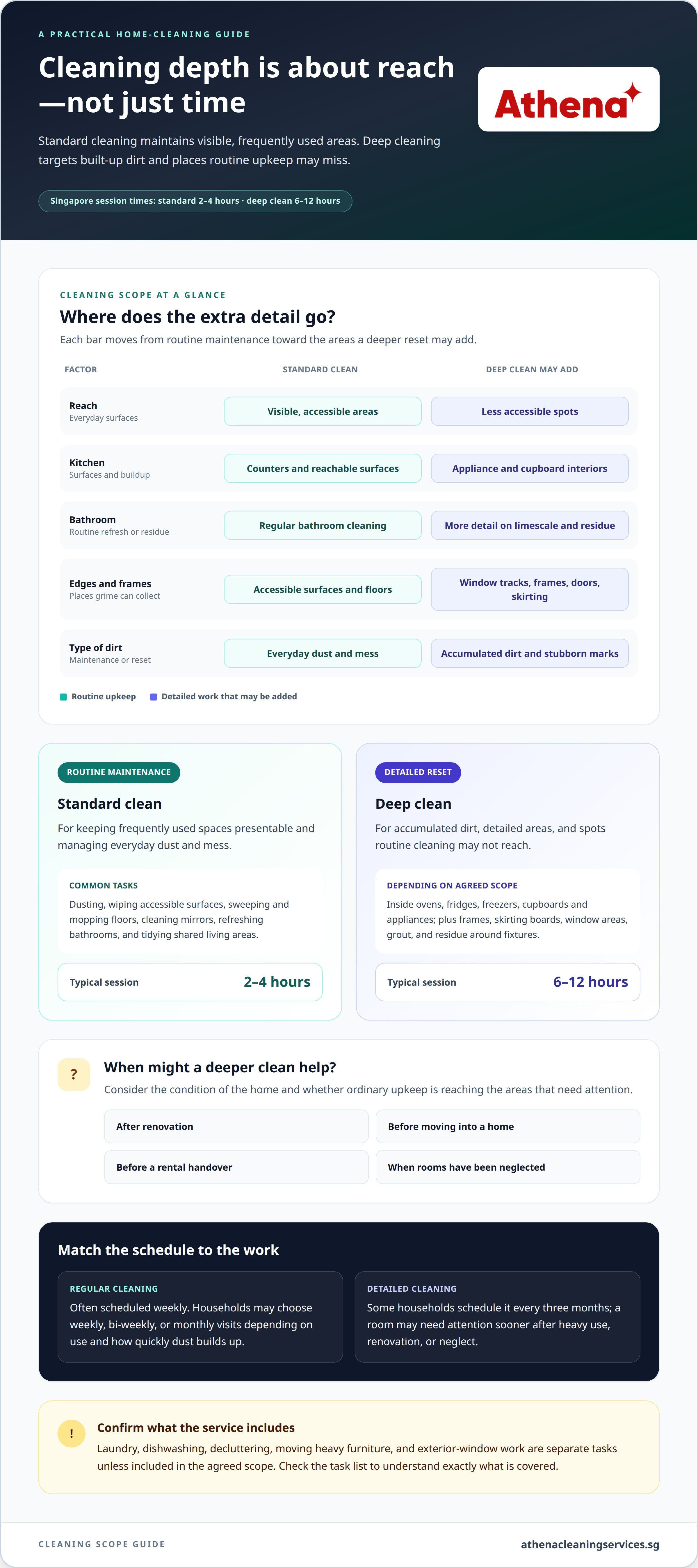
The difference between standard and deep cleaning is the level of detail: regular cleaning maintains visible, frequently used areas, while deep cleaning targets accumulated dirt and less accessible spots. In Singapore, a regular session typically takes 2-4 hours; a deep clean takes 6-12 hours.
Laundry, dishwashing, decluttering, moving heavy furniture, and exterior-window work are separate tasks unless they are included in the agreed cleaning scope.
Tasks in a Standard Clean
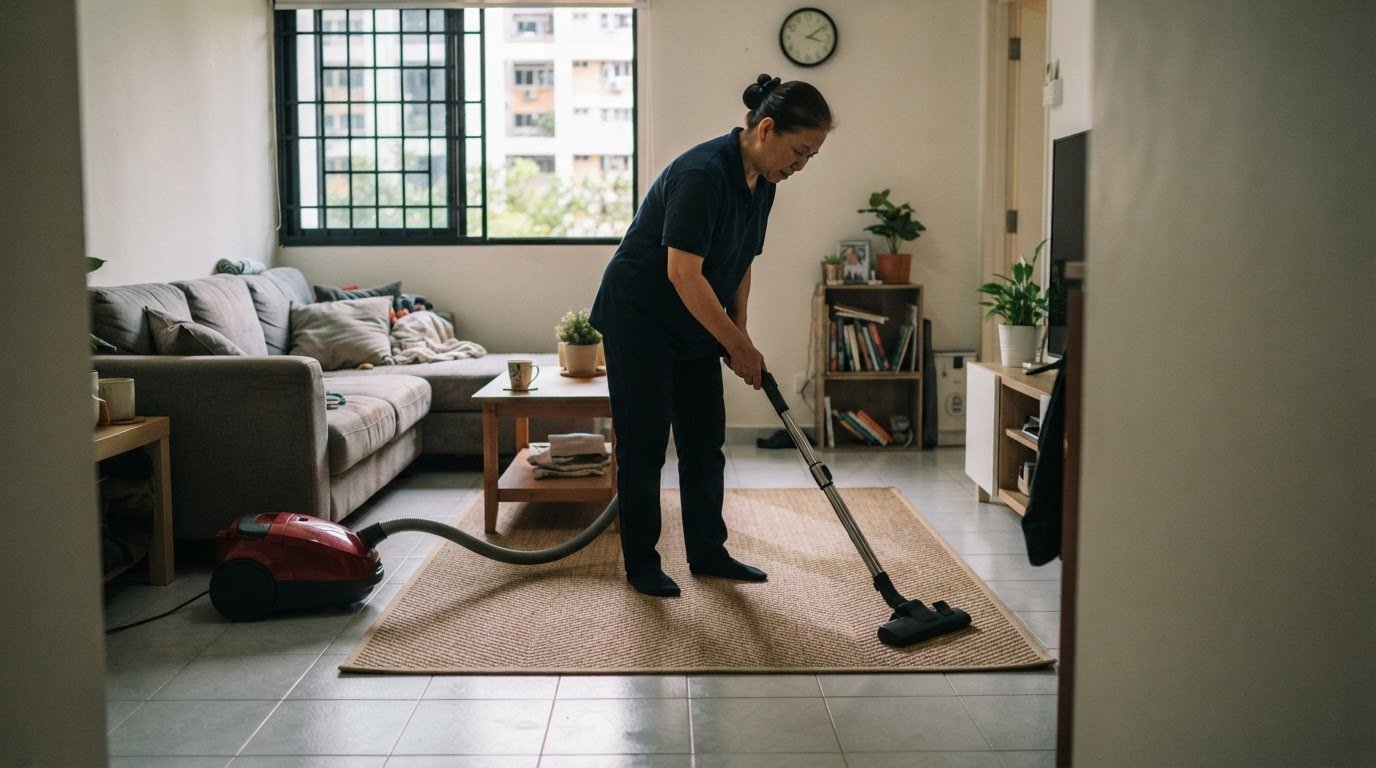
Standard cleaning focuses on keeping frequently used spaces presentable. Typical tasks include sweeping and mopping floors, wiping accessible surfaces, dusting, cleaning mirrors, refreshing bathrooms, and tidying common living areas. In the kitchen, it maintains visible counters and surfaces rather than tackling built-up residue inside appliances.
Regular cleaning is often scheduled weekly to manage everyday dust and mess before they build up. Its recurring routine focuses on accessible areas, unlike a deep clean that may include detailed work inside cupboards and appliances or around window frames.
Tasks in a Deep Clean
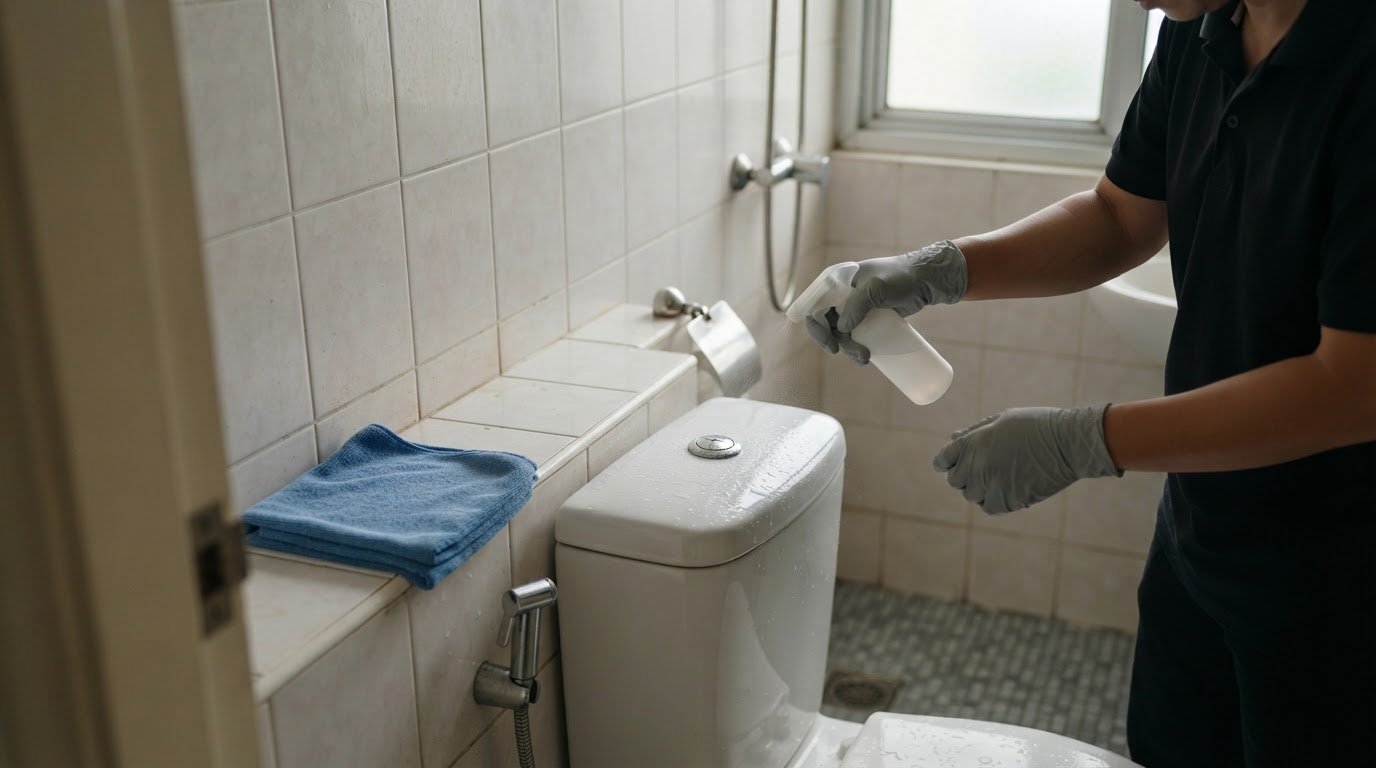
Deep cleaning reaches areas that standard upkeep usually leaves untouched. Depending on the agreed scope, tasks may include cleaning inside the oven, fridge, freezer, cupboards, and kitchen appliances, as well as doors, door frames, skirting boards, windows, and window frames. Bathrooms may receive more detailed attention to limescale and residue.
The additional detail makes deep cleaning useful when dirt has accumulated in corners or around fixtures. For example, wiping a kitchen counter maintains a visible surface, while cleaning inside an oven tackles grease and food residue in a less accessible area.
| Option | Typical tasks | Areas covered | Typical frequency | Typical session time in Singapore |
|---|---|---|---|---|
| Standard clean | Dusting, wiping, sweeping, mopping, mirror and bathroom cleaning | Visible, frequently used spaces | Every week | 2-4 hours |
| Deep clean | Appliance interiors, limescale, cupboard interiors, frames and skirting boards | Less accessible areas and accumulated dirt | As needed | 6-12 hours |
Both options can include kitchen and bathroom cleaning, but the level of detail differs. Standard cleaning refreshes reachable surfaces; deep cleaning may add appliance interiors, frame edges, and other places where grime builds up. Check the agreed task list to understand exactly what the service covers.
Choose regular cleaning when floors, counters, mirrors, and bathrooms mainly need ongoing upkeep. Choose a deep clean when oven or cupboard interiors, window frames, or bathroom limescale need more attention than routine surface cleaning provides.
How deep cleaning differs from regular cleaning
Regular cleaning is maintenance; deep cleaning resets areas routine visits may not reach. The distinction comes down to purpose, frequency, and the work involved. Wiping a kitchen counter keeps a visible surface tidy, while removing grease from inside an appliance tackles buildup ordinary wiping may leave behind.
Regular house cleaning helps keep everyday dust and mess under control. Households may schedule it weekly, bi-weekly, or monthly, depending on how quickly rooms collect dust and how heavily they are used. A busy kitchen may need more frequent attention than a guest room used occasionally.
Deep cleaning takes longer because it targets detailed areas, stubborn marks, and accumulated dirt. Depending on the scope, it may include appliances, cupboard interiors, grout, window tracks, and spaces around fixtures. Some households schedule detailed work every three months; a particular room may need attention sooner after heavy use, renovation, or a period of neglect.
The difference is not simply “more cleaning”; the work targets different areas. Routine cleaning clears accessible surfaces and floors, while detailed cleaning tackles residue and dirt in less accessible places. For example, cleaning around a bathroom fixture means attending to its edges and accumulated residue, not just wiping its exposed surface.
- Regular cleaning: Repeat accessible tasks to maintain everyday conditions.
- Deep cleaning: Add detailed work where dirt has collected or routine cleaning has limited reach.
Safety and regulations are separate considerations from cleaning depth. A service label alone does not establish a legal requirement for a home or workplace. Follow product instructions and any site-specific requirements that apply to the premises.
For either approach, a clear scope helps prevent missed tasks. Identify the areas needing attention, then distinguish recurring maintenance from detailed work. For instance, a carpet may need routine vacuuming, while embedded dirt calls for a more focused treatment. Carpet and Rug Cleaning can address that specific cleaning need.
Choose regular cleaning when the main goal is maintaining usable rooms through repeat visits. Choose deep cleaning when accumulated dirt, appliance interiors, or hard-to-reach areas need focused attention. If you need both, schedule routine tasks regularly and reserve detailed work for areas that need a reset.
When professional deep cleaning may be useful
A thorough deep clean can help when ordinary upkeep no longer reaches the areas needing attention. In Singapore, consider one after renovation, before moving into a home, before a rental handover, or when rooms have been neglected. These situations can leave dust, residue, or marks beyond the visible surfaces.
Renovation dust may settle on cabinets, window tracks, floors, and other surfaces after visible debris is cleared. A professional clean can address those separate areas in a planned sequence, rather than concentrating only on the room’s open floor. Before moving in, this can help prepare cupboards and other spaces for daily use.
A rental handover is another situation where detailed cleaning can help. Previous occupants may leave stains or residue that are easy to miss during a quick walk-through. A focused clean can target these areas before belongings are moved in or the property is returned. In a neglected kitchen, accumulated grease may need more attention than a routine wipe of the counters.
DIY cleaning suits manageable tasks, such as wiping a reachable shelf or cleaning a lightly soiled surface. A professional may be more useful for stubborn oven residue, bathroom limescale, or marks on soft wood, where the wrong method could damage the finish. Choose based on the task, the surface, and the amount of detailed work required.
The products and equipment used depend on the agreed service scope. Confirm the arrangements for supplies when discussing the cleaning tasks, so you know what the team will bring and what should be available at the property.
For a practical decision, consider these signs:
- Choose DIY upkeep for small, accessible tasks, such as removing fresh marks from a durable counter.
- Consider professional help when renovation dust remains in window tracks or cabinets.
- Plan a thorough clean before a move or rental handover, especially when rooms show residue or stains.
- Use extra care with oven deposits, limescale, and soft-wood marks, since unsuitable cleaning can damage surfaces.
Timing can also matter. Some households schedule deeper work before Chinese New Year; others plan it after a busy period or when particular rooms become harder to maintain. Focus on the spaces that need detailed attention instead of treating every room as equally soiled.
For support with a more detailed reset, explore professional cleaning support suited to the areas that need attention.
Deep cleaning of grout, fixtures, grease, and hard-to-reach areas
Deep cleaning targets details routine surface wiping can miss. In a bathroom, that may mean grout lines, residue around taps, and deposits on a showerhead. In a kitchen, the work may focus on grease near a hob, corners behind appliances, and dirt around handles.
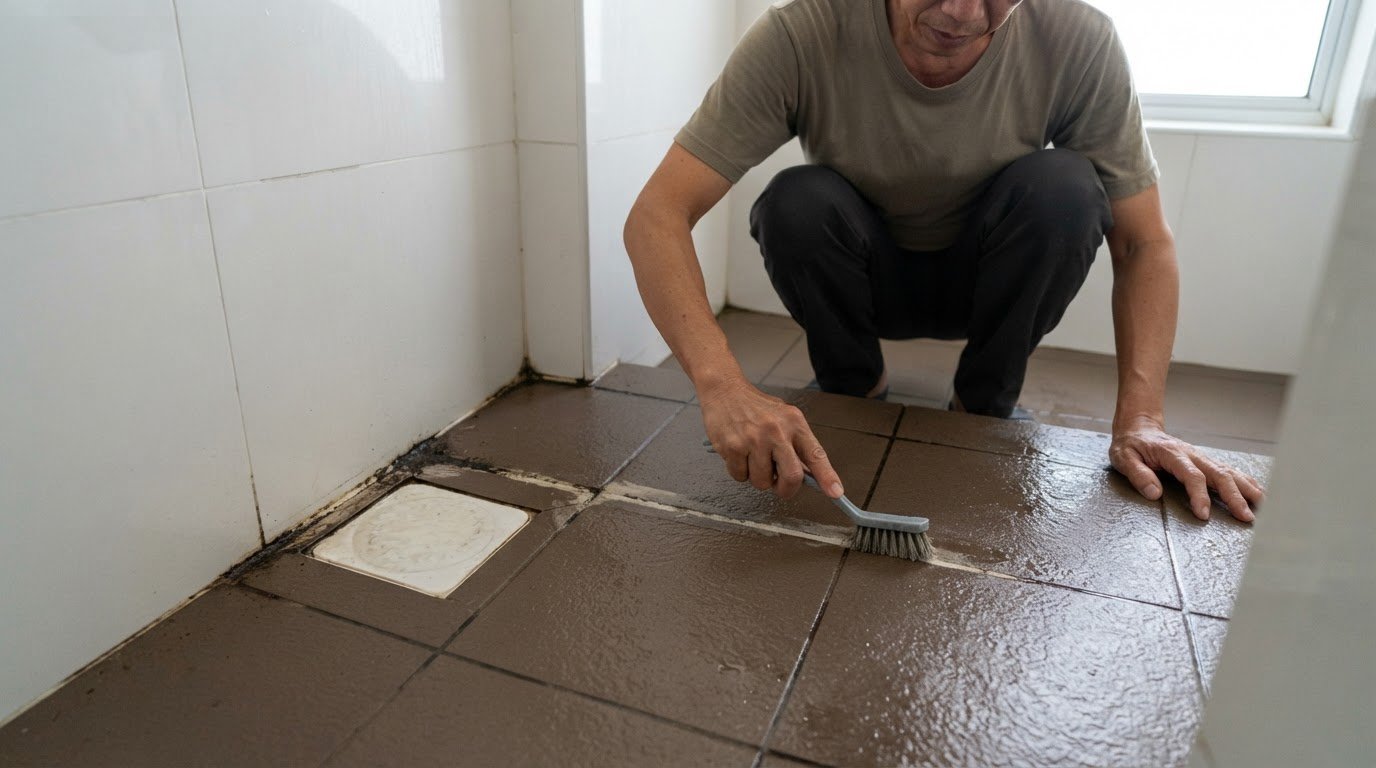
Grout needs focused attention because its narrow joints can hold dirt that a quick floor or wall wipe misses. Work carefully along the grout lines rather than scrubbing broadly across the tile. This keeps attention on the buildup while accounting for the surrounding surface and its finish.
Fixtures have edges and joins where residue can collect. Around a bathroom tap, for example, detailed cleaning reaches the base and the area where the fixture meets the counter. Showerheads also benefit from periodic attention. Cleaning a showerhead once a year is a useful schedule to remember.
Kitchen grease often gathers around cooking areas, appliance handles, and nearby surfaces. Cleaning these spots takes more than wiping the centre of a counter. A focused pass around the hob and microwave edges can remove visible residue. Oven cleaning may need particular care, especially when accumulated grease or an unpleasant odour signals that it needs attention.
Hard-to-reach areas include corners around furniture, spaces beside appliances, and areas around bathroom fixtures. They are easy to overlook during a quick tidy because they sit outside the main line of sight. Deep cleaning gives them deliberate attention, particularly when a room has been neglected or dirt has built up over time.
- Grout: Focus on the joints between tiles, not only the tile faces.
- Fixtures: Clean around taps, shower fittings, and the points where fixtures meet surfaces.
- Kitchen grease: Target areas around the hob, appliance handles, and oven.
- Hidden edges: Include corners beside furniture and appliances.
The material matters: a product or abrasive tool suited to tile may not be appropriate for soft wood or a delicate fixture finish. Oven deposits, bathroom limescale, and marks on soft wood may need careful treatment to avoid damage. Choose a method suited to the surface and use it only where detailed work is needed.
Think of deep cleaning as targeted work: identify the buildup, match the method to the surface, and clear away residue afterward. Bathroom grout and kitchen grease need separate attention because they occur on different materials and in different locations. This focused approach is more precise than simply repeating everyday wiping.
Deep-cleaning cost and duration
Deep cleaning usually takes longer because it covers detailed areas, stubborn marks, and accumulated dirt. The duration depends on the home’s size, the number of rooms, the amount of buildup, and the tasks included. Cleaning inside appliances, for example, adds work beyond wiping their exterior surfaces.
In Singapore, regular cleaning typically takes 2-4 hours per session, while deep cleaning takes 6-12 hours. Treat these as planning ranges, not a fixed appointment length. A compact home with limited buildup may need less work than a larger home with neglected kitchens, bathrooms, and window tracks.
Cost depends on the property size, the condition of the areas being cleaned, and the agreed scope. Key factors include the number of rooms, the requested tasks, and the amount of accumulated dirt. Cleaning appliance interiors and bathroom limescale involves different work from a visit focused on accessible surfaces.
Quote structures can also differ by service. Standard cleaning providers commonly charge by the hour, while deep cleaning providers commonly charge a fixed price. The distinction reflects the work being priced: recurring maintenance can be measured by time, while a detailed clean is often defined by an agreed task scope.
| Planning factor | Standard clean | Deep clean |
|---|---|---|
| Main focus | Recurring upkeep of accessible areas | Detailed work on buildup and less accessible areas |
| Typical Singapore session duration | 2-4 hours | 6-12 hours |
| Common quote structure | Hourly | Fixed price |
| Workload examples | Floors and visible surfaces | Appliance interiors, window frames, or limescale |
For a useful estimate, define the work before comparing the time involved. Separate routine tasks from details such as cleaning inside the fridge, oven, or cupboards. Then identify rooms with heavier buildup, since their condition affects the effort more than the room name alone.
A weekly routine can help keep visible dirt manageable, while occasional detailed work addresses areas maintenance visits leave behind. Plan around the home’s actual condition instead of assuming every visit needs the same scope. A kitchen with grease buildup and a bathroom with limescale may need different priorities.
For a tailored estimate, request a cleaning quote with the rooms and tasks you need covered.
Compare quotes by checking which rooms and tasks they cover, since the agreed scope and property condition affect what the price includes.
Athena Team Cleaning
Athena Team Cleaning provides cleaning services for different property needs.
Use the difference between routine maintenance and detailed cleaning to identify which areas need attention, then choose a service that fits.
For help choosing a suitable service, WhatsApp for a quote from Athena Team Cleaning.
Make the Next Cleaning Choice Count
Let the condition of each room guide your next step. Understanding the difference between standard and deep cleaning helps you decide whether a space needs consistent upkeep or focused attention. Describe the areas that matter most, such as a workplace needing ongoing care or carpet that needs dedicated cleaning.
A clear description of your priorities makes it easier to choose a suitable service. Identify the areas you want addressed, then WhatsApp for a quote.
Contact Athena Team Cleaning to discuss your cleaning needs and move forward with confidence.
Standard cleaning is a recurring service for maintaining commonly used rooms and reachable surfaces. It suits a home that gets regular attention but needs help keeping everyday dust and mess under control. A visit might focus on living areas, a frequently used bathroom, and visible kitchen surfaces. The task list depends on the agreed scope, so identify priority rooms before scheduling.
What’s Involved in a Deep Cleaning Package?
A deep cleaning service usually adds detailed work beyond routine surface care, but the exact scope depends on the agreed tasks. A home may need attention to appliance interiors, cupboard interiors, or accumulated bathroom residue. Deep cleaning does not automatically include every possible task. Heavy jobs such as smoke stains, mould, or flood damage are quoted separately from standard spring cleaning.
What are the main differences between standard and deep cleaning?
The main difference is the cleaning depth and the areas targeted. Standard cleaning maintains accessible, frequently used spaces; deep cleaning addresses detailed work and dirt accumulated in less accessible places. This distinction helps set priorities: a regularly maintained home may need routine upkeep, while a room with overlooked edges or persistent residue may need a more thorough reset.
How often should you book standard cleaning versus deep cleaning?
Weekly standard cleaning can help keep frequently used rooms manageable. Some households plan a deep clean every three months, though the home’s condition and recent activity also matter. For example, a household may keep weekly visits and schedule detailed cleaning after renovation or before a rental handover. Treat these intervals as a starting point, not a requirement.
How long does standard cleaning versus deep cleaning take?
In Singapore, a standard cleaning session typically takes 2-4 hours, while deep cleaning generally takes 6-12 hours. The scope explains much of the difference: a visit covering accessible rooms takes less work than one involving detailed cleaning across multiple areas. Property size, buildup, and the requested tasks also affect the schedule, so allow enough time for the agreed work to be completed carefully.
When should you choose deep cleaning instead of standard cleaning?
Choose deep cleaning when routine upkeep no longer addresses the condition of particular rooms. A move-in clean, a rental handover, or post-renovation dust on window tracks may call for more detailed work. Deep cleaning can also suit a home that has been neglected or needs preparation before a major occasion. In a well-maintained space, regular cleaning may be more suitable between detailed cleans.
Are there health or safety risks when deep cleaning, such as chemical use or mould removal?
Cleaning products and methods should suit the surface and be used according to their labels. Deep cleaning does not automatically include mould removal. Heavy mould jobs are quoted separately from standard spring cleaning, so do not treat visible mould as an ordinary add-on. Include the affected area when describing the job, especially if it involves more than routine dirt or residue.
Frequently Asked Questions
What is a Standard Clean?
What’s Involved in a Deep Cleaning Package?
What are the main differences between standard and deep cleaning?
How often should you book standard cleaning versus deep cleaning?
How long does standard cleaning versus deep cleaning take?
When should you choose deep cleaning instead of standard cleaning?
Are there health or safety risks when deep cleaning, such as chemical use or mould removal?
Looking for help? See our house cleaning service in Singapore.
Related articles