

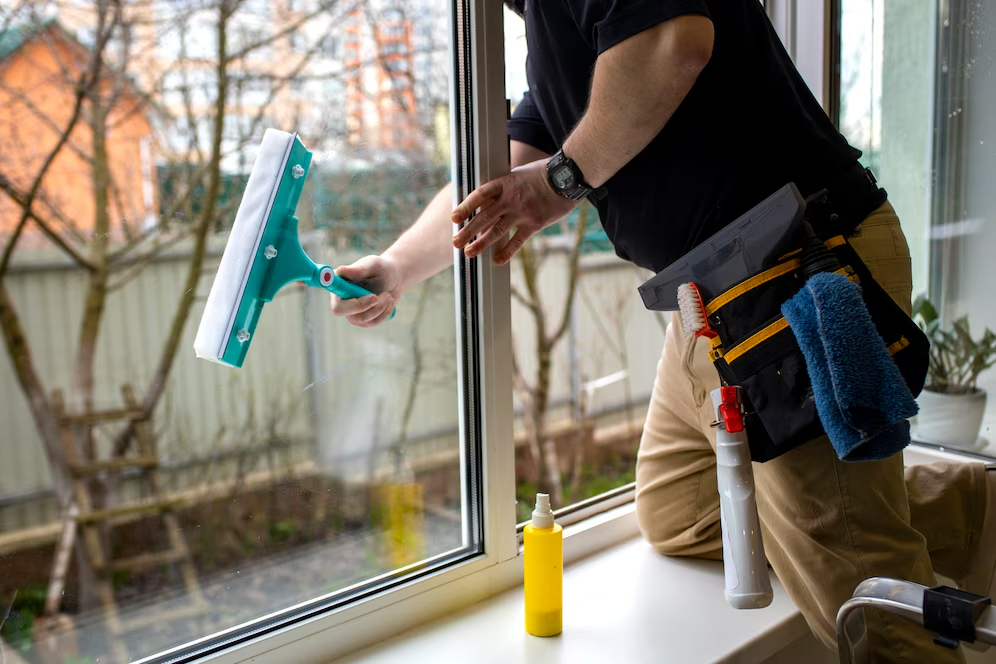
Maintaining a building in Singapore’s unique tropical climate requires a proactive approach. This comprehensive checklist is designed to help property managers stay on top of maintenance tasks, ensuring the longevity, safety, and value of the property. Regular building maintenance not only preserves the property’s aesthetic and structural integrity but also prevents costly repairs and enhances the well-being of its occupants.
The Importance of Regular Building Maintenance
In the bustling environment of Singapore, where buildings are subjected to various environmental stressors, regular maintenance is paramount. Consistent upkeep ensures that buildings remain safe, functional, and aesthetically pleasing. Moreover, it prevents small issues from escalating into costly repairs, thus saving property managers both time and money in the long run.
Buildings in Singapore face a unique set of challenges, including high humidity, frequent rain, and intense heat, which can accelerate wear and tear on both the exterior and interior components. A proactive maintenance strategy not only helps in addressing these issues but also contributes to the sustainability and energy efficiency of the building.
Regular maintenance can also enhance the overall user experience, whether it’s for commercial tenants, residents, or visitors. A well-maintained building reflects professionalism, care, and attention to detail, which can significantly impact tenant satisfaction and retention.
Why Building Maintenance is Crucial in Singapore
Unique Challenges in Singapore’s Tropical Climate
Singapore’s tropical climate presents unique challenges for building maintenance. High humidity, heavy rainfall, and intense sunlight can accelerate wear and tear, leading to issues such as mould growth, structural degradation, and water damage. Regular maintenance is essential to combat these elements and preserve the integrity of the building.
- Humidity: High humidity levels in Singapore can lead to the growth of mould and mildew, particularly in areas with poor ventilation. This not only affects the structural integrity of the building but also poses health risks to occupants. Regular inspection of areas prone to moisture accumulation, such as basements, storage rooms, and bathrooms, is crucial.
- Rainfall: The frequent and heavy rains in Singapore can cause water damage if the building’s drainage systems are not properly maintained. Blocked gutters, downpipes, and drains can lead to water overflow, which may result in structural damage or flooding. Ensuring that these systems are clear and functioning optimally is key to preventing water-related issues.
- Sunlight and Heat: Intense sunlight and heat can cause materials to expand and contract, leading to cracks in walls and foundations. It can also cause the deterioration of roofing materials, paint, and sealants. Regular inspections and timely repairs can mitigate the impact of these environmental factors.
Preserving Property Value and Ensuring Safety
A well-maintained building not only retains its value but also ensures the safety of its occupants. Regular inspections and maintenance tasks help identify potential hazards, such as faulty electrical systems or compromised structural elements, which could pose risks if left unaddressed. Moreover, a clean and well-maintained building enhances the comfort and productivity of its occupants, contributing to overall well-being.
- Value Retention: Buildings that are regularly maintained retain their market value and are more attractive to potential buyers or tenants. Maintenance efforts like repainting, landscaping, and updating systems (like HVAC or plumbing) can significantly enhance the property’s appeal and value.
- Safety and Compliance: Regular maintenance ensures that the building complies with local safety regulations and building codes. This includes maintaining fire safety systems, elevators, and other critical infrastructure. Non-compliance can result in fines, legal issues, and in severe cases, could lead to the closure of the property.
Overview of the Checklist
This checklist is designed to provide property managers with a comprehensive guide to maintaining their buildings. It covers both exterior and interior maintenance tasks, as well as safety and security checks. By following this checklist, property managers can ensure that their buildings remain in optimal condition throughout the year.
The checklist is divided into various sections, each focusing on specific aspects of building maintenance. From the building’s facade to the internal systems like HVAC and plumbing, each section provides actionable steps that can be tailored to the unique needs of the property. This approach ensures that no aspect of building maintenance is overlooked, contributing to the overall longevity and functionality of the property.
Exterior Maintenance Checklist
Inspecting the Building’s Exterior
The exterior of a building is its first line of defence against environmental factors. Regular inspections are crucial to identify any signs of wear and tear, such as cracks, water damage, or loose materials.
- Walls and Facade: Look for cracks, peeling paint, and signs of water damage. Address these issues promptly to prevent further deterioration. Consider using weather-resistant paint and sealants to protect against the elements.
- Windows and Doors: Ensure that windows and doors are properly sealed and functioning. Check for gaps that could lead to water infiltration or energy loss. Consider upgrading to double-glazed windows to improve insulation and reduce energy costs.
- Roof and Gutters: Inspect the roof for missing or damaged tiles, and ensure that gutters are clear of debris to prevent water buildup. Regularly check the roof’s drainage systems to avoid water pooling, which can lead to leaks and structural damage.
Roof and Gutter Maintenance
The roof and gutters play a critical role in protecting a building from water damage. Regular maintenance is essential to ensure that they function properly.
- Roof Inspection: Check for any signs of damage, such as loose or missing shingles. Ensure that the roof’s drainage system is working effectively to prevent water accumulation. In areas prone to heavy rainfall, consider installing additional drainage systems or water-resistant roofing materials.
- Gutter Cleaning: Clear gutters of leaves, dirt, and other debris to prevent blockages that could lead to water overflow and potential damage to the building’s foundation. It’s advisable to install gutter guards to minimize the frequency of cleaning.
- Roof Coating: Consider applying a reflective roof coating to reduce heat absorption, which can lower cooling costs and prolong the life of the roof.
Landscaping and Grounds
The surrounding landscape not only enhances the aesthetic appeal of the property but also plays a role in its safety and functionality.
- Lawn Care: Maintain the lawn by mowing regularly and addressing any issues with soil erosion. Consider using drought-resistant plants and grasses to reduce water consumption and maintenance costs.
- Bushes and Trees: Trim bushes and trees to prevent them from obstructing pathways or causing damage to the building. Regular pruning also promotes healthy growth and improves the overall appearance of the landscape.
- Pathways: Ensure that pathways are clear, safe, and well-lit to prevent accidents. Use non-slip materials on walkways to enhance safety, especially during the rainy season.
Interior Maintenance Checklist
HVAC System Maintenance
A well-maintained HVAC system ensures that the building’s climate control remains efficient and effective, contributing to the comfort of its occupants.
- Air Filter Replacement: Regularly check and replace air filters to maintain good air quality and prevent strain on the system. Clean air filters not only improve air quality but also reduce energy consumption.
- Vent Cleaning: Clean vents to ensure proper airflow and reduce the risk of airborne contaminants. Regular cleaning also helps in maintaining the efficiency of the HVAC system.
- Professional Servicing: Schedule regular professional maintenance to inspect and service the HVAC system, ensuring it operates at peak efficiency. This includes checking refrigerant levels, inspecting ductwork for leaks, and calibrating the thermostat.
Plumbing and Water Systems
Plumbing issues can lead to significant damage if not addressed promptly. Regular inspections and maintenance are crucial.
- Leak Detection: Regularly inspect pipes, faucets, and water heaters for leaks. Address any leaks immediately to prevent water damage and wastage. Consider installing a leak detection system that can alert you to potential issues before they escalate.
- Water Pressure Checks: Ensure that the water pressure is within an optimal range to prevent strain on the plumbing system. High water pressure can lead to pipe bursts, while low pressure can indicate blockages or other issues.
- Drainage Maintenance: Regularly clean drains to prevent blockages and ensure that wastewater is properly directed away from the building. Use drain guards to prevent debris from entering the drainage system.
- Water Heater Maintenance: Regularly flush the water heater to remove sediment buildup, which can reduce efficiency and shorten the lifespan of the unit.
Electrical System Checks
A building’s electrical system is vital to its operation. Regular checks help prevent potential hazards, such as electrical fires or power outages.
- Wiring Inspection:
Inspect wiring for signs of wear or damage. Replace any faulty wiring to prevent short circuits or fire risks. It’s also important to ensure that all wiring complies with local electrical codes. - Circuit Breaker Testing: Test circuit breakers to ensure they function correctly and can handle the building’s electrical load. Regular testing can prevent overloads and potential power outages.
- Lighting Maintenance: Check that all lighting fixtures are operational and replace any burnt-out bulbs to ensure safety and visibility. Consider upgrading to energy-efficient LED lighting to reduce energy costs and maintenance frequency.
- Surge Protection: Install surge protectors to safeguard the building’s electrical systems from voltage spikes, which can cause damage to sensitive equipment.
Safety and Security Maintenance
Fire Safety Systems
Maintaining fire safety systems is crucial to protecting both the building and its occupants.
- Smoke Detectors: Test smoke detectors regularly and replace batteries as needed to ensure they function properly. It’s advisable to install interconnected smoke detectors that can alert all building occupants simultaneously in case of a fire.
- Fire Extinguishers: Inspect fire extinguishers to ensure they are accessible and in good working condition. Replace or service them as necessary. Ensure that all occupants know how to use them and that they are placed in easily accessible locations.
- Sprinkler Systems: Regularly test sprinkler systems to ensure they are fully operational in case of a fire. Ensure that the system is compliant with local fire safety regulations.
- Fire Drills: Conduct regular fire drills to ensure that all occupants are familiar with evacuation procedures. This can significantly reduce the risk of injury or loss of life in the event of an actual fire.
Security Systems and Lighting
A secure building provides peace of mind for its occupants. Regular maintenance of security systems is essential.
- Alarm Systems: Test alarms and ensure they are connected to the appropriate monitoring services. It’s also important to ensure that the system is regularly updated to protect against new security threats.
- Surveillance Cameras: Check that all cameras are functioning properly and provide clear footage. Regularly clean the camera lenses and ensure that all recording devices have sufficient storage capacity.
- Emergency Lighting: Ensure that emergency lighting is operational and provides adequate illumination in case of power outages. Regularly test the lighting system and replace any faulty components.
- Access Control: Regularly update access control systems to ensure that only authorized personnel have access to certain areas of the building. This includes updating keycards, PIN codes, and biometric systems as necessary.
Elevator and Escalator Maintenance
Elevators and escalators must be regularly serviced to ensure they operate safely and efficiently.
- Routine Inspections: Schedule regular inspections to identify and address any mechanical issues. This includes checking the alignment, lubrication, and operation of all moving parts.
- Safety Checks: Perform safety checks to ensure compliance with local regulations and to prevent accidents. This includes testing the emergency stop functions and ensuring that all safety features are operational.
- Maintenance Logs: Keep detailed maintenance logs for all elevators and escalators, documenting all inspections, repairs, and upgrades. This helps in tracking the condition of the equipment and planning for future maintenance needs.
Seasonal and Annual Maintenance Tasks
Preparing for the Rainy Season
Singapore’s rainy season requires additional preparation to protect buildings from water damage.
- Drainage System Inspection: Ensure that all drainage systems are clear and functioning properly to handle heavy rainfall. This includes checking that all gutters, downpipes, and storm drains are free of debris and in good repair.
- Seal Windows and Doors: Check and seal any gaps around windows and doors to prevent water infiltration. Consider using weatherstripping and caulking to improve the building’s resistance to water ingress.
- Leak Detection: Inspect the building for potential leaks and address them before the rainy season begins. This includes checking the roof, walls, and foundation for any signs of moisture or damage.
- Backup Power Systems: Ensure that backup power systems, such as generators, are in good working order to prevent disruptions during storms.
Annual Deep Cleaning and Inspections
An annual deep cleaning and inspection help maintain the building’s overall condition and address any issues before they become major problems.
- Common Areas: Deep clean common areas, including carpets, upholstery, and communal spaces, to maintain a hygienic environment. This not only improves the appearance of the building but also reduces the risk of pest infestations.
- System Inspections: Conduct thorough inspections of all systems, including HVAC, plumbing, and electrical, to ensure they are in good working order. This includes checking for wear and tear, updating outdated components, and ensuring compliance with current safety standards.
- Facade Maintenance: Consider pressure washing the building’s exterior to remove dirt, grime, and pollutants that can degrade the building materials over time.
- Parking Areas: Inspect and repair any cracks or potholes in parking areas and driveways. Regular maintenance of these areas ensures the safety and convenience of the building’s occupants and visitors.
Why Choose Athena Team Cleaning for Your Building Maintenance Needs
Comprehensive Maintenance Solutions
Athena Team Cleaning offers a full range of building maintenance services, from exterior cleaning to HVAC servicing and safety inspections. Our team of experts is equipped to handle all aspects of building maintenance, ensuring that your property remains in top condition year-round.
We understand the unique challenges posed by Singapore’s climate and have tailored our services to address these specific needs. Whether it’s dealing with the high humidity, heavy rains, or intense heat, our team is trained to provide solutions that are both effective and sustainable.
Customised Maintenance Plans
We understand that every building has unique maintenance needs. That’s why we offer customised maintenance plans tailored to the specific requirements of your property. Whether you manage a commercial property or a residential building, Athena Team Cleaning has the expertise to create a plan that meets your needs.
Our customised plans include scheduled inspections, routine maintenance, and emergency repairs, all designed to keep your building in optimal condition. We also offer flexible service options, allowing you to choose the level of support that best suits your property’s needs.
Keep Your Building in Top Condition with Regular Maintenance
Regular maintenance is essential to preserving the value, safety, and appearance of your building. By following this comprehensive checklist, property managers can ensure that their buildings remain in excellent condition.
For professional building maintenance services in Singapore, contact Athena Team Cleaning today. We offer customised maintenance plans to suit your needs and provide a special discount on your first service or a free initial consultation.
How to Build a Building Maintenance Schedule That Actually Works
A reliable building maintenance schedule turns reactive firefighting into planned, budgeted work. In Singapore's humid tropical climate, mould, corrosion and water ingress move fast, so timing matters. Start by mapping every asset, from lifts and pumps to facades and grease traps, then assign each a frequency. Daily common-area cleaning, monthly inspections and quarterly servicing form the backbone of any condo, HDB block or commercial property programme.
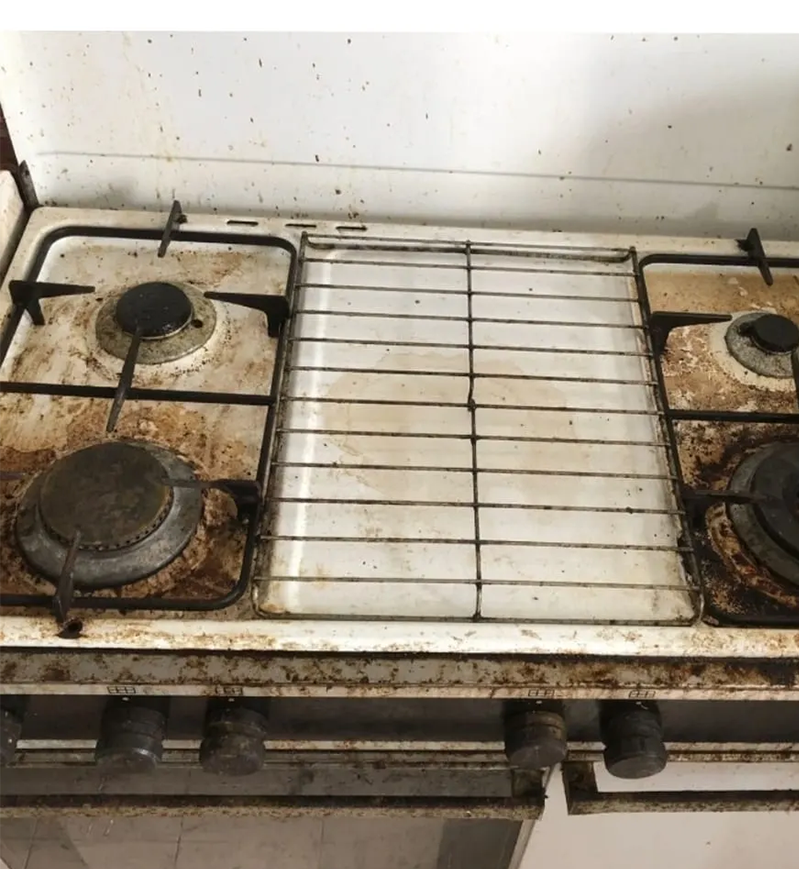
Frequency should match risk and usage, not convenience. High-traffic lobbies and refuse chutes need daily attention, while roof waterproofing and external painting are reviewed yearly. Document who owns each task, the expected cost and the compliance deadline. A shared calendar with reminders keeps your MCST, managing agent and contractors aligned, and creates an audit trail you can show owners at the next AGM without scrambling for records.
Daily and Weekly Tasks
Daily building maintenance covers lobby and lift cleaning, bin centre washdown, common toilet sanitising and a quick visual check of lighting and water features. Weekly tasks add staircase mopping, car park sweeping, drain clearing and topping up consumables. Logging these in a simple checklist proves the work happened and flags small faults before they escalate into expensive repairs.
Monthly and Quarterly Tasks
Monthly inspections should test emergency lighting, check pump rooms, clear gutters and review fire-extinguisher pressure. Quarterly servicing covers air-conditioning coils, water tanks, pest control and facade spot-checks for spalling concrete. Grouping mid-cycle work this way smooths your cash flow and lets contractors batch visits, which usually lowers the per-trip charge for smaller Singapore developments.
- List every asset and tag it with a daily, weekly, monthly, quarterly or annual frequency
- Assign a named owner and a budget line to each recurring task
- Set calendar reminders ahead of statutory inspection deadlines
- Keep a dated photo log so owners and auditors can verify completed work
Preventive Building Maintenance for Singapore's Tropical Climate
Preventive building maintenance is far cheaper than emergency repair, especially in a climate that runs warm and wet all year. Constant humidity feeds mould on ceilings, rusts metal railings and degrades sealant around windows. A structured programme that cleans, inspects and re-coats surfaces on schedule extends asset life and protects property value. The goal is to catch the small leak in week one, not the ceiling collapse in month six.
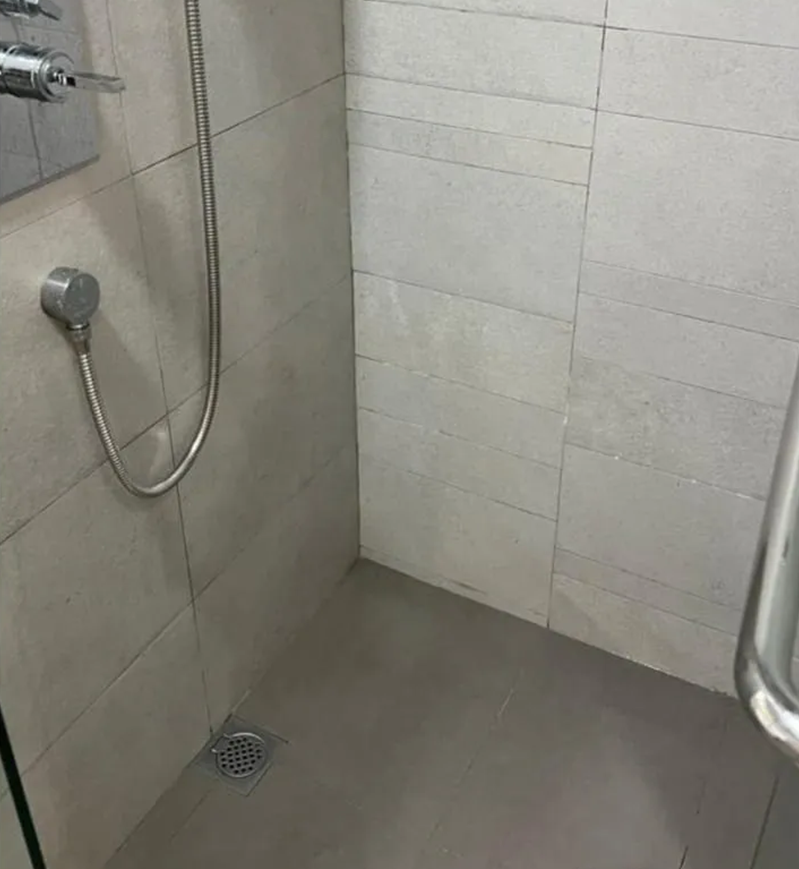
Effective prevention pairs cleaning with condition monitoring. Every time crews clean a facade, drain or pump room, they should record what they see: hairline cracks, blocked weep holes, peeling paint or unusual noise. That data feeds your building repair and maintenance checklist and helps you forecast capital works. Athena's teams are trained to flag these issues during routine cleaning so nothing slips through the cracks unnoticed.
Tackling Mould and Water Ingress
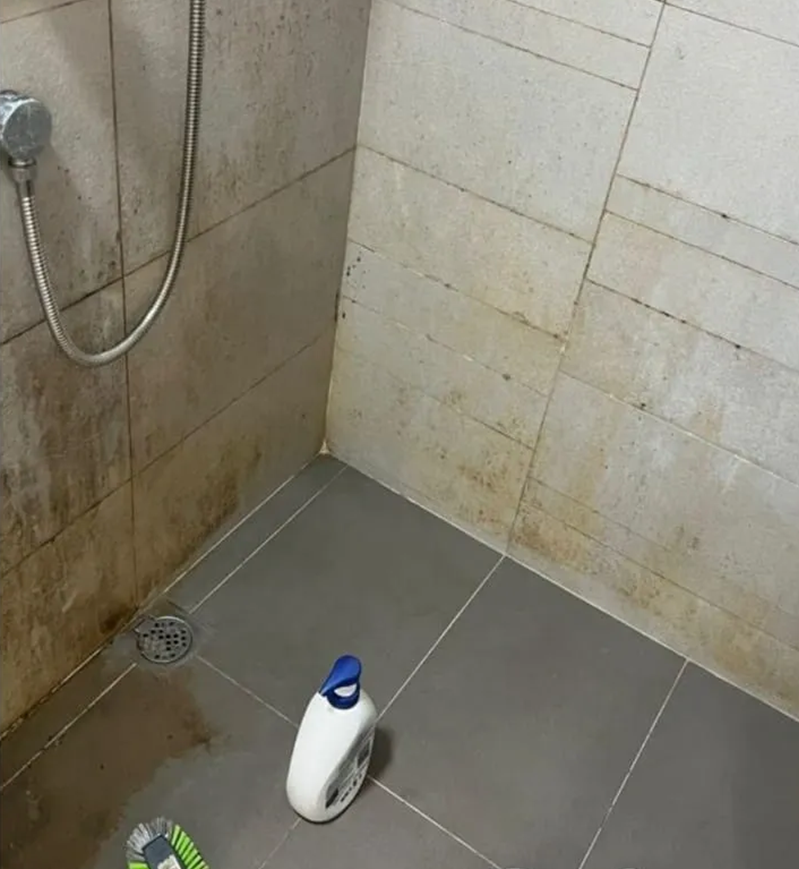
Humidity makes mould and water ingress the top building maintenance headaches in Singapore. Inspect ceiling slabs, basement walls and balcony seals after heavy rain. Clear blocked drains and gutters before the monsoon, treat mould with anti-fungal washes rather than just painting over it, and re-seal failing joints early. Prompt action keeps small stains from becoming structural damp problems.
Protecting Facades and Common Areas
Facades take a beating from sun, rain and pollution. Schedule periodic external cleaning to remove algae and grime, then inspect for spalling concrete and exposed rebar. In common areas, regular deep cleaning of marble, terrazzo and glass prevents permanent staining. Preventive care here keeps the development looking premium and reduces costly restoration down the line.
- Apply anti-fungal treatment to damp-prone ceilings and basement walls
- Clear gutters and drains before each monsoon season
- Re-seal window and balcony joints at the first sign of cracking
- Wash facades periodically to stop algae build-up and concrete decay
Building Maintenance Statutory Compliance in Singapore
Building maintenance in Singapore is not just good practice, it is a legal obligation. Owners and MCSTs must meet requirements from BCA, SCDF, NEA and PUB covering facade inspections, fire safety, water tanks and waste handling. Missing a statutory deadline risks fines, insurance complications and personal liability for council members. Folding compliance dates directly into your maintenance schedule is the simplest way to stay on the right side of the rules.

Key obligations include the BCA Periodic Facade Inspection regime for older and taller buildings, annual fire certificate renewal with SCDF, regular water-tank cleaning under PUB guidance, and proper refuse and pest management under NEA. Keep certificates, contractor licences and inspection reports in one organised file. Strong building maintenance statutory compliance records also reassure prospective buyers and tenants that the property is professionally managed.
Fire Safety and SCDF Requirements
Fire safety sits at the heart of statutory compliance. Maintain a clear annual cycle for servicing extinguishers, hose reels, sprinklers and emergency lighting, and renew your Fire Certificate before it lapses. Keep escape routes unobstructed and signage legible. Engaging licensed fire-safety contractors and retaining their reports protects both occupants and the council from avoidable legal exposure.
Water Tank and Hygiene Standards
PUB requires potable water tanks to be cleaned and inspected regularly, typically once or twice a year, to prevent contamination. Document each clean with photos and a contractor report. Pair this with routine bin-centre disinfection and pest control to satisfy NEA hygiene expectations. Consistent record-keeping here is essential for both compliance and resident health in shared Singapore developments.
- Track BCA Periodic Facade Inspection deadlines for qualifying buildings
- Renew the SCDF Fire Certificate annually and service all fire equipment
- Clean and inspect potable water tanks per PUB guidance and log every visit
- Maintain NEA-compliant refuse handling, pest control and hygiene records
Building Maintenance Costs and Smarter Management
Budgeting is where good building maintenance management proves its worth. Costs in Singapore vary widely by property size, age and asset mix. A small condo might run a few thousand dollars monthly for cleaning and basic servicing, while larger or older developments spend far more once lifts, facades and M&E systems are included. Splitting your budget into routine, preventive and reserve-fund categories prevents nasty surprises at the AGM.

Smarter management means consolidating providers, scheduling preventive work to avoid emergency premiums and reviewing contracts yearly. Bundling cleaning with inspection and minor repairs, as Athena offers, reduces coordination overhead and trip charges. Track spend against your building maintenance schedule so you can show owners exactly where money goes. Over time, disciplined preventive spending lowers total cost by reducing the frequency of major, unplanned repairs.
Typical Singapore Cost Ranges
As a rough guide, recurring common-area cleaning often falls between SGD 1,500 and SGD 6,000 monthly depending on size. Quarterly air-con servicing runs around SGD 60 to SGD 120 per unit, water-tank cleaning roughly SGD 300 to SGD 800 per tank, and facade cleaning is quoted per square metre. Always get itemised quotes so you can compare like for like.
When to Outsource to Specialists
Outsource any task needing licences, height access or specialist equipment, such as fire-system servicing, facade work and pest control. For day-to-day building maintenance, a single trusted partner handling cleaning, inspections and minor repairs keeps standards consistent. Athena's Singapore teams help MCSTs and property managers cover both, freeing councils to focus on governance rather than chasing multiple vendors.
- Separate budgets into routine, preventive and reserve-fund categories
- Request itemised quotes so you can compare contractors fairly
- Bundle cleaning, inspection and minor repairs to cut trip charges
- Review all maintenance contracts at least once a year against actual performance
Frequently Asked Questions
How much does building maintenance cost in Singapore?
Costs depend on property size, age and asset mix. Recurring common-area cleaning typically runs SGD 1,500 to SGD 6,000 a month for condos, while larger or older developments pay more once lifts, M&E and facades are added. Specialist tasks like fire servicing and water-tank cleaning are quoted separately, so request itemised proposals.
What should a building repair and maintenance checklist include?
A solid checklist groups tasks by frequency: daily cleaning of lobbies, lifts and toilets; weekly drain and car park work; monthly fire and pump inspections; quarterly air-con and pest servicing; and annual facade, waterproofing and statutory items. Each entry should name an owner, a budget and any compliance deadline so nothing is missed.
How often should water tanks be cleaned in Singapore?
PUB guidance recommends cleaning and inspecting potable water tanks regularly, usually once or twice a year, to prevent contamination. Expect roughly SGD 300 to SGD 800 per tank depending on size and access. Always keep the contractor's report and photos as proof of building maintenance statutory compliance for audits and residents.
What is preventive building maintenance and why does it matter?
Preventive building maintenance means cleaning, inspecting and servicing assets on a schedule before they fail, rather than waiting for breakdowns. In Singapore's humid climate it stops mould, corrosion and leaks from becoming costly structural problems. It typically reduces total spend by cutting the frequency of emergency repairs and extending the life of building assets.
Who is legally responsible for building maintenance in a condo?
In strata developments the Management Corporation (MCST), usually through a managing agent, is responsible for maintaining common property and meeting BCA, SCDF, PUB and NEA requirements. Council members can face penalties for lapses, so a documented building maintenance schedule with compliance deadlines is the safest way to manage shared obligations.
Can one company handle cleaning and building maintenance together?
Yes. Bundling daily cleaning with routine inspections and minor repairs through one provider, such as Athena, keeps standards consistent and cuts coordination and trip charges. Specialist licensed work like fire-system servicing or height-access facade repair is still arranged separately, but a single partner can manage and document the overall building maintenance programme.