

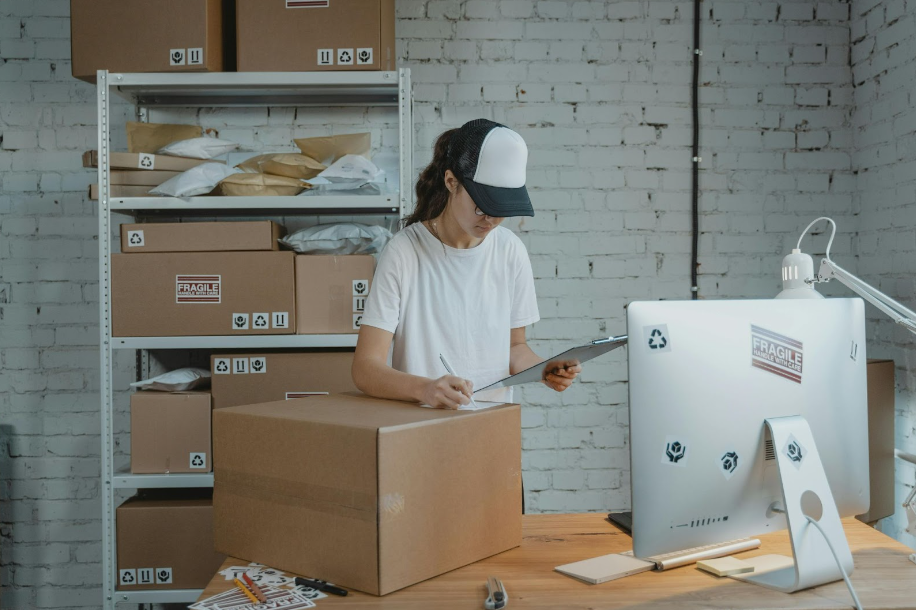
Relocating an office can be both an exciting and challenging process. A well-organised move ensures minimal downtime and helps maintain employee productivity, but without careful planning, it can lead to operational disruptions and increased stress.
This guide outlines the steps needed to execute a smooth office relocation and highlights the role of professional cleaning services, such as Athena Team Cleaning Services, to help your business thrive in its new space.
Athena Team Cleaning Services offers comprehensive commercial cleaning services in Singapore, ensuring your new office is spotless and ready for business.
Initial Planning for Office Relocation
Define the Scope of Your Move
Before diving into the logistics of your office relocation, it’s crucial to assess the scope of the move. Understanding the size of your current office, the amount of equipment, and the specific needs of each department will provide a clearer picture of what needs to be done. Evaluate:
- The number of employees, workstations, and furniture pieces that need to be moved.
- Special items, such as technology infrastructure, including servers or sensitive equipment that may require careful handling.
- Whether all equipment will fit into the new space or if downsizing is necessary.
By defining the full scope, you’ll avoid last-minute surprises and allow for a smooth process from the start.
Set a Realistic Timeline and Milestones
One of the key factors in a successful office relocation is a well-structured timeline. Depending on the size of your business, you may need anywhere from 3 to 12 months to plan and execute the move. Here’s an example timeline for a mid-sized office relocation:
- 12 months before the move: Finalise the new office lease and assemble your internal moving team.
- 9 months before: Research and hire a professional moving company, and notify key stakeholders.
- 6 months before: Begin decluttering your current office by selling, donating, or disposing of unused items.
- 3 months before: Start packing non-essential items, and confirm the IT and furniture needs for the new office.
- 1 month before: Finalise moving logistics, cleaning services, and communicate the relocation details to employees.
By setting realistic deadlines and milestones, you’ll keep everything on track while ensuring minimal disruptions.
Appoint a Moving Team or Coordinator
To streamline communication and ensure accountability during the move, it’s essential to appoint a dedicated relocation team or coordinator. The move manager will be responsible for overseeing the entire relocation process, from liaising with the moving company to coordinating the setup at the new office.
Make sure the team includes representatives from each department. This helps address the unique needs of different teams, such as the IT department requiring specific server handling or HR ensuring secure transportation of employee records.
Delegating tasks will help distribute the workload evenly and prevent any single person from being overwhelmed by the moving process.
Set a Budget for the Office Move
A comprehensive budget is key to avoiding unexpected expenses. Your office relocation budget should include the following:
- Moving company fees: Covering packing, transportation, and unpacking.
- Furniture and equipment: Costs for new office furniture or IT equipment.
- Cleaning services: Fees for both the old and new office spaces.
- Technology setup: Budget for internet, phone systems, and IT infrastructure in the new office.
- Contingency fund: It’s a good idea to allocate 10-15% of your budget for unforeseen costs.
Setting a clear budget will allow you to manage the financial side of the relocation with minimal stress, ensuring everything is accounted for.
Choosing a New Office Space
Evaluating Your Company’s Current and Future Needs
When choosing a new office space, it’s essential to consider not only your company’s current requirements but also its future growth. Start by analysing how your business has expanded over the past few years and whether you expect to hire more employees soon. Determine if you need more open workspaces, private offices, or meeting rooms.
Also, consider your team’s technology needs. If your business depends on extensive IT systems, ensure the new office has adequate electrical wiring and high-speed internet to support servers, computers, and networking equipment.
Location, Accessibility, and Amenities
The location of your new office is one of the most critical factors for both employees and clients. Ideally, the office should be in an area that’s easily accessible via public transportation and has ample parking for employees who drive. Plus, proximity to amenities such as restaurants, gyms, and banks can contribute to overall employee satisfaction.
Choosing a location is also about striking a balance between affordability and convenience. While a central office in a bustling business district may provide great visibility, it can also come with higher rental costs. Conversely, a suburban location may be more affordable but less convenient for client meetings.
Inspecting the Office for Suitability
Once you’ve identified potential office spaces, conduct thorough inspections to ensure they meet your business’s requirements. Pay close attention to the office layout—does it support your company’s workflow and culture? Consider factors such as lighting, ventilation, and temperature control, as these significantly impact employee comfort.
Check for compliance with local safety regulations, including fire exits and building accessibility. It’s important to ensure that the space can be adapted to meet any future needs your company may have, especially if you’re planning for growth.
Notify and Communicate with Stakeholders
Informing Employees About the Move
Employees are a vital part of your relocation, and keeping them informed is essential for a smooth transition. Begin by hosting a company-wide meeting to announce the move, share the reasons behind it, and provide employees with a timeline of key milestones. Address common concerns, such as how the move will affect commutes or workspace arrangements.
Regular updates via email or an internal messaging platform can help ease anxiety and ensure everyone is on the same page. Encourage employees to ask questions and provide feedback to foster a sense of involvement in the process.
Notify Clients, Partners, and Vendors
It’s equally important to keep your clients, partners, and vendors in the loop regarding your office move. Early communication prevents disruptions to business operations and ensures that your clients and partners know how to reach you during the transition.
Send out formal notifications through multiple channels, including email newsletters and social media. Be sure to provide updated contact information, including your new office address, phone numbers, and any temporary contact details if necessary.
Update Business Listings and Online Profiles
After finalising the move, update your business address across all online platforms. This includes your company’s website, Google My Business listing, social media profiles, and online business directories. Ensuring your information is consistent and accurate across all platforms helps clients and customers easily find your new location and prevents any disruption in your search engine visibility.
Preparing for the Move
Conduct an Office Inventory
Conducting an office inventory is an essential part of preparing for your move. Create a detailed list of all office assets, including computers, office furniture, and supplies. Organise the items by department to make packing and unpacking easier. During the inventory process, you’ll also have the opportunity to declutter by:
- Deciding what to keep, sell, donate, or discard: Evaluate whether outdated equipment or old furniture is worth moving to the new office.
- Tracking inventory with software: Use Excel, Google Sheets, or specialised inventory management tools to track the items that will be moved.
Backup and Secure Important Data
Data security is crucial during an office relocation. Before moving, ensure all company data is securely backed up through cloud storage or external hard drives. Physical documents, particularly those containing sensitive information, should be stored in lockable filing cabinets or secure containers.
It’s important to have an IT plan in place to ensure your company’s servers, computers, and networking equipment are safely moved and re-installed at the new office without causing any disruption to operations.
Organise the Packing Process
Packing is a time-consuming part of the relocation process, but with the right system, it can be done efficiently:
- Label all boxes by department to ensure organised unpacking at the new office.
- Use colour-coded labels to differentiate between high-priority items and non-essential belongings.
- Securely pack fragile items such as monitors, computers, and artwork to avoid damage during transit.
- Provide employees with clear instructions on packing their personal belongings and workstations.
- Consider professional packing services for large, valuable, or delicate equipment, like servers and networking devices.
Schedule Office Cleaning Services
Cleaning the old and new offices is an important step in the relocation process. Cleaning ensures that you leave your old space in good condition, potentially preventing penalties related to lease agreements. Meanwhile, having your new office deep cleaned before employees move in helps create a fresh, welcoming environment.
Hiring professional cleaners, like Athena Team Cleaning Services, ensures both the old and new offices are spotless, sanitised, and ready for immediate use.
Athena Team Cleaning Services offers comprehensive commercial cleaning services in Singapore, including deep cleaning for office relocations.
Communication Strategy for the Relocation

Internal Communication: Engaging Employees
Keeping employees informed throughout the relocation process is crucial for maintaining productivity and morale. Effective communication can help prevent misunderstandings and reduce stress. Here’s how to keep employees engaged:
- Regular updates: Send out monthly or bi-weekly updates regarding the move, including timelines and any impacts on their workflow.
- Involvement in decisions: Engage employees by seeking their input on the new office design, seating arrangements, and potential workspace improvements.
- Employee relocation guide: Provide a guide for employees that outlines the move-in process, office etiquette in the new space, and details about new amenities.
When employees feel involved and informed, they are more likely to be supportive and excited about the change.
External Communication: Clients and Vendors
Your clients, partners, and vendors should also be kept in the loop to avoid any business disruptions. Here’s how to approach external communication:
- Early notification: Notify clients and partners well in advance of the move. Provide clear details about your new address, contact numbers, and any potential disruptions in service.
- Update digital channels: Ensure your website, Google My Business listing, email signatures, and other digital touchpoints are updated with the new address before the move takes place.
- Temporary arrangements: If the move will cause any temporary service interruptions, notify your clients of how they can continue communicating with you during that time (e.g., a remote office setup or alternate contact points).
Clear and early communication with clients and partners will help ensure business continues uninterrupted.
Setting Up the New Office
Space Planning and Layout Design
Designing the layout of your new office is key to ensuring productivity and employee satisfaction. Plan the layout before the move so that workstations, meeting rooms, and communal areas are optimally placed.
- Focus on creating collaborative spaces that encourage teamwork, while also providing private offices or quiet zones for tasks that require concentration.
- Choose ergonomic furniture to improve employee comfort and productivity.
- Involve employees in the design process by gathering feedback on their workspace preferences to create a sense of ownership and satisfaction.
IT Infrastructure and Office Equipment Setup
IT infrastructure should be set up as early as possible to minimise downtime. Ensure that your internet connection, phones, servers, and networking equipment are ready to go before employees start working in the new space.
- Test all technology before employees arrive, including computers, Wi-Fi, printers, and phones.
- Secure cables and IT infrastructure to avoid tripping hazards and ensure long-term functionality.
- Collaborate with IT support teams to troubleshoot any technical issues as soon as they arise.
New Office Health and Safety Considerations
After the move, ensure that your new office meets health and safety standards by conducting a safety inspection. Check for:
- Proper fire exits, extinguishers, and smoke alarms.
- Secure electrical systems, emergency lighting, and proper ventilation.
- Accessibility features like wheelchair access, elevators, and wide hallways.
Scheduling a fire drill or safety briefing for employees is a great way to ensure everyone is aware of emergency procedures in the new space.
Final Office Clean-Up and Preparing the Space for Use
Post-Move Clean-Up
Once everything is unpacked, a final clean-up ensures your office is presentable for employees and clients. This includes organising common areas like kitchens and restrooms, as well as making sure workstations are clean and clutter-free.
Hiring a professional cleaning service for a deep clean after unpacking ensures the entire office is spotless and ready for use.
Office Organization Tips
After the move, maintaining an organised office is key to promoting productivity and employee satisfaction. Consider these tips:
- Set up filing systems to keep paperwork organised.
- Create designated storage areas for supplies, office equipment, and personal belongings.
- Encourage employees to keep their workspaces tidy to maintain a clutter-free environment.
By establishing organisational systems from the start, you’ll help employees adjust to their new surroundings and set a positive tone for the work environment.
Logistics and Moving Day Preparations
Create a Moving Day Command Center
On moving day, having a central command centre will ensure smooth coordination. This command centre can be a physical space in the current office or a digital hub where team members can communicate effectively. Use it to:
- Track progress: Monitor the packing, transportation, and unpacking processes in real time.
- Handle last-minute issues: Assign a point person to handle any last-minute problems, like delays or building access issues.
- Coordinate with the moving company: Ensure the moving company has all the details, such as parking access, building entry points, and security codes.
A command centre helps ensure that any issues are handled quickly and efficiently, keeping the move on schedule.
Establish a Moving Day Support Team
Alongside the command centre, assign a dedicated support team. These individuals can help facilitate the move by:
- Managing employee queries: Having a few people responsible for answering employee questions during the move prevents confusion.
- Supervising department moves: Assign representatives from each department to oversee their areas during the move to ensure everything arrives safely and is set up correctly in the new office.
The moving day support team will act as the backbone of the relocation, ensuring that everything runs smoothly while addressing issues in real-time.
Athena Team Cleaning Services
Professional cleaning is essential for both pre-move and post-move office spaces. A thorough cleaning ensures your old office is in good condition, fulfilling lease agreements, while your new office is fresh and ready for employees. Athena Team Cleaning Services specialises in handling large-scale office moves and provides tailored cleaning solutions to meet your needs.
Athena Team Cleaning Services is a trusted provider of professional cleaning services in Singapore. Their team of experienced cleaners is equipped to handle all types of office cleaning, from routine daily cleaning to deep cleaning services required for office relocations.
They offer specialised services that cover:
- Regular office cleaning
- Deep cleaning for pre- or post-move
- Carpet cleaning, window cleaning, and sanitization services
Why Choose Athena Team Cleaning Services
Choosing Athena Team Cleaning Services guarantees a high level of service, reliability, and customer satisfaction. With our eco-friendly cleaning practices and commitment to using non-toxic products, Athena Team Cleaning Services not only ensures a spotless office but also helps create a healthier work environment for your employees.
Employee Well-being and Stress Management During Office Relocation

Relocating an office can create anxiety for employees. Changes in daily routines, commutes, and workspace settings can disrupt employee morale if not handled properly. Therefore, it’s critical to keep employee well-being at the forefront throughout the relocation process.
Tips for Managing Employee Stress During the Move
- Frequent communication: Regular updates about the move help prevent feelings of uncertainty. Keep employees informed about the timeline and expected changes.
- Provide mental health resources: Offering counselling or workshops focused on managing stress and transitions can be beneficial.
- Flexible work arrangements: If possible, offer remote work options to minimise disruptions during the transition.
- Encourage breaks and self-care: Moving can be physically and mentally exhausting. Encourage employees to take breaks and practice self-care during the relocation period.
Engaging Employees to Foster Excitement
- Host a virtual tour of the new office: Build excitement by providing sneak peeks of the new office through virtual tours or presentations.
- Involve them in design choices: Allow employees to vote on certain office design elements like common area aesthetics, seating arrangements, or artwork.
A successful move that prioritises employee well-being results in a smoother transition and increased employee satisfaction.
Specialised Equipment Relocation: Handling IT and Technical Infrastructure
Relocating office equipment, particularly IT infrastructure, requires meticulous planning. Moving fragile technology like servers, networking hardware, and data centres must be handled carefully to avoid disruption in business operations.
Pre-Move IT Planning
- Data Backup: Before disconnecting any equipment, ensure that all important company data is backed up. This step is crucial to avoid data loss during the move.
- Set Up IT Infrastructure in the New Office Early: Collaborate with your IT department to set up the necessary infrastructure (e.g., networking cables, internet connections, and servers) in the new office well before moving day.
- Work with Professional Movers for IT: Professional IT relocation services specialise in safely transporting sensitive equipment. Consider hiring such a service to avoid downtime or hardware damage.
- Plan for Minimal Downtime: Aim to move critical IT systems over the weekend or during non-business hours to reduce downtime for employees and customers.
Equipment Handling for Other Departments
- Medical or Laboratory Equipment: If your company handles specialised medical or laboratory equipment, additional steps may be needed to ensure proper disassembly and reassembly.
- Creative/Design Equipment: Companies with high-end audio visual or design equipment must take extra care in handling tools like large monitors, digital drawing boards, and 3D printers.
The right strategy will minimise disruptions and ensure that your equipment is up and running quickly in the new location.
Building a Positive Office Culture in the New Space
Relocating to a new office presents an opportunity to redefine your office culture. The physical environment directly influences employee engagement, collaboration, and productivity.
Creating Collaborative Workspaces
- Flexible Office Layouts: Design the new space with collaboration in mind by incorporating open areas, communal meeting spaces, and creative hubs. Encourage informal interactions by designing breakout zones and cosy lounges.
- Hybrid Working Environments: With the rise of remote work, consider setting up hot-desking options and dedicated work-from-home stations for employees who split their time between home and the office.
Promoting Employee Well-being in the New Office
- Wellness Areas: Introduce wellness features such as quiet rooms, standing desks, and on-site fitness areas. These small investments can lead to significant increases in employee well-being and productivity.
- Natural Lighting and Greenery: Studies have shown that access to natural light and plants in the office enhances employee morale and decreases stress levels. Design the office to maximise natural light and include indoor plants to promote a calm and inviting atmosphere.
Hosting Office Culture Events
- Welcome Events: Host a welcome party or event in the new office to familiarise employees with the space and encourage them to explore different areas.
- Team-building Initiatives: Kick off the new office culture with team-building exercises that reinforce company values. Hosting regular, informal activities can help employees bond in the new environment.
By focusing on creating a positive culture in the new office, you can strengthen team cohesion and productivity after the move.
Ensuring Environmental Sustainability During the Office Move
A growing trend in modern office moves is the integration of eco-friendly practices. An environmentally sustainable office move not only benefits the planet but also showcases your company’s commitment to corporate social responsibility.
Sustainable Moving Practices
- Recycling and Donating Old Equipment: Instead of discarding old office furniture and technology, consider donating them to local organisations or schools. Partnering with e-waste recycling centres ensures responsible disposal of outdated electronics.
- Use of Eco-Friendly Packing Materials: Reduce your environmental footprint by using recyclable or biodegradable packing materials. Avoid single-use plastic and use reusable crates and boxes wherever possible.
- Partner with Green Moving Companies: Some moving companies specialise in eco-friendly relocations. These movers use fuel-efficient vehicles, offer sustainable packaging solutions, and are committed to reducing the environmental impact of the move.
Sustainable Practices in the New Office
- Energy-Efficient Lighting and Appliances: Install energy-efficient LED lighting systems and appliances in the new office to reduce energy consumption.
- Paperless Office: Moving to a new office is the perfect opportunity to promote a paperless environment by encouraging digital document management and reducing the use of printers.
- Eco-Friendly Workstations: Opt for sustainable furniture that’s made from recycled or renewable materials.
Schedule Your Cleaning Today with Athena!
A smooth office relocation is not just about moving boxes—it’s about creating a clean, organised, and productive space where your employees can thrive. Athena Team Cleaning Services can help you make this transition easier by providing professional cleaning for both your old and new offices.
Contact Athena Team Cleaning Services today for a quote and consultation on how we can assist with your office move.
Why a Moving Checklist for Office Relocations Matters in Singapore
Relocating a Singapore office is rarely just a furniture shuffle. Between MCST move permits, lift bookings, fibre re-provisioning and tight handover dates, a single missed step can cost a week of downtime. A structured moving checklist for office relocations keeps facilities, IT and admin teams aligned so nothing slips through the cracks during a fast-paced move in the CBD, Jurong or one-north.
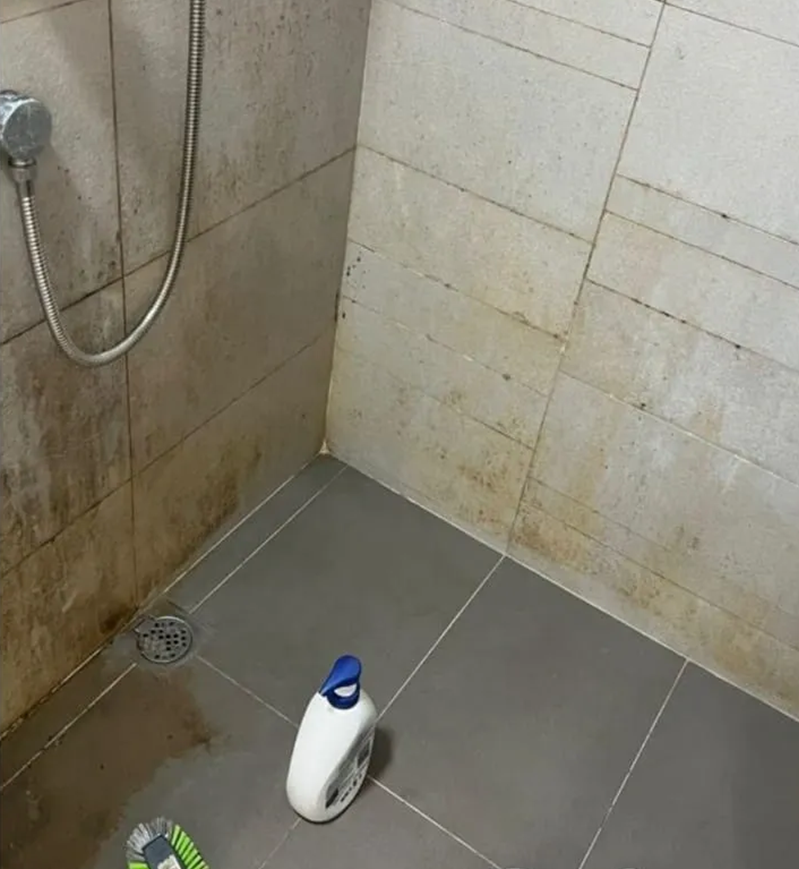
Local tenancies usually require the outgoing unit to be returned in good condition, and many landlords withhold the security deposit until a proper reinstatement and clean is done. Building your moving checklist for office spaces around these obligations protects your deposit, avoids dispute emails after handover, and gives every department a clear owner for each task on moving day.
Aligning Departments Before the Move
Assign one relocation lead and one deputy, then loop in IT, HR and finance early. In Singapore, server shutdowns and re-cabling often need a weekend window, so confirm the new unit's data points and power load before committing to a date. A shared tracker stops the classic problem of two teams booking the same service lift on the same morning.
Mapping Tenancy and Deposit Obligations
Re-read your tenancy agreement for reinstatement clauses, make-good standards and notice periods. Most CBD and business-park leases expect carpets shampooed, partitions removed and walls patched. Photograph the original condition report so you can prove fair wear and tear, which makes deposit recovery far smoother when the landlord's agent inspects the empty unit.
- Confirm both old and new lease handover dates in writing before booking movers
- Request MCST move-in and move-out permits at least two weeks ahead
- Reserve the service lift for loading and unloading windows on the same day
- Lock in your end-of-tenancy cleaning slot the moment the move date is fixed
Building Your Office Moving Checklist: Timeline and Tasks
The strongest moving checklist for office projects works backwards from handover day across four phases: eight weeks out, four weeks out, the final week, and moving day itself. Spreading tasks this way prevents the last-minute scramble that drives up costs, especially in Singapore where movers, cleaners and IT vendors all book out quickly around quarter-end and year-end peak periods.
Treat your moving checklist for office relocation as a living document. Update it after every site recce, because the new unit's loading bay height, lift dimensions and air-con servicing schedule will shape your plan. Sharing it in a cloud sheet lets facilities, the appointed cleaning company and your movers see the same source of truth in real time.
Eight to Four Weeks Before
Lock in licensed movers, notify staff, and arrange address changes with ACRA, banks, suppliers and your GIRO billers. Order new signage and access cards, schedule fibre and phone-line porting with your ISP, and book the post-move cleaning. Start a colour-coded labelling system by department so boxes land in the right zone at the new address.
Final Week and Moving Day
Back up servers, decommission IT, and pack pantry and breakout areas last so staff stay functional. On the day, station one person at each end to direct movers and check the inventory list. Once furniture is out, hand the empty unit to your cleaners immediately so reinstatement cleaning and the landlord inspection can follow the same afternoon.
- Label every box with department, destination room and a fragile or IT tag
- Keep a do-not-pack box of chargers, keys, permits and access cards
- Photograph cabinet and server-rack wiring before disconnecting anything
- Schedule both move-out and move-in cleaning on or around handover day
Cleaning Tasks Every Office Relocation Checklist Should Include
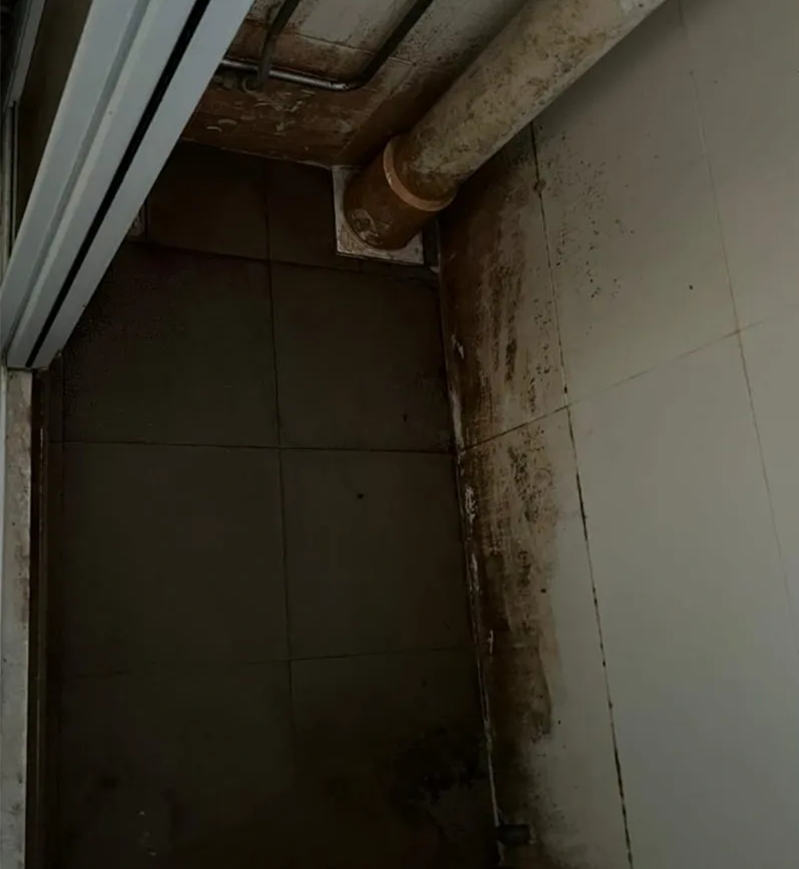
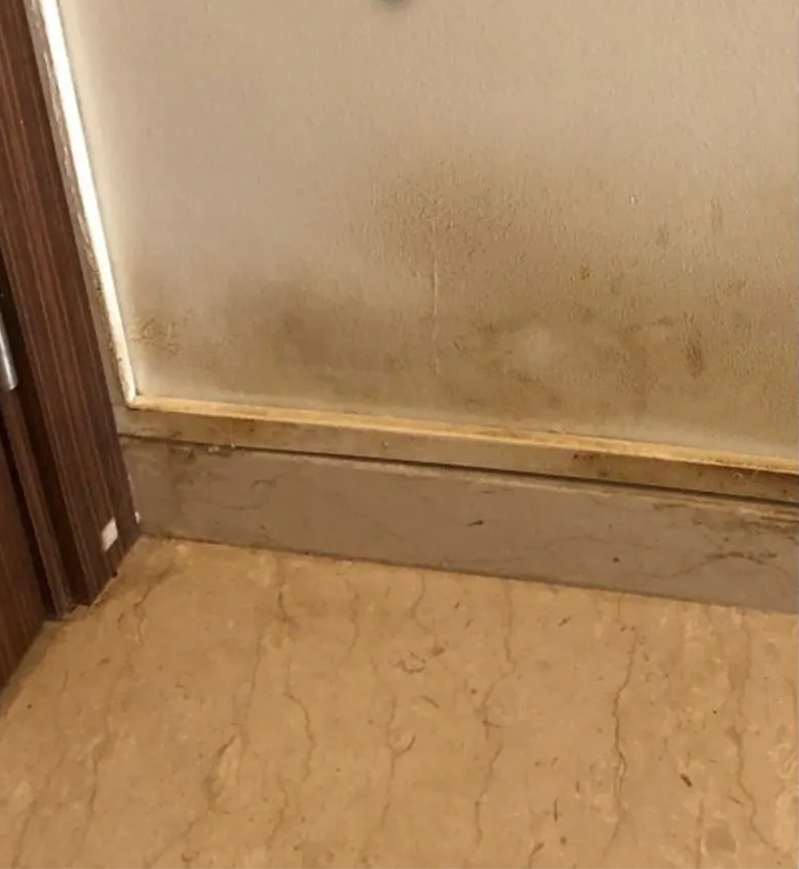
Cleaning is where many relocations lose their deposit, so it deserves a dedicated block on the moving checklist for office moves. The vacated unit needs a full reinstatement clean once furniture is gone, while the new unit benefits from a deep clean before staff arrive. Singapore's humidity means dust, mould spots near air-con vents and sticky pantry grime build up faster than many tenants expect.
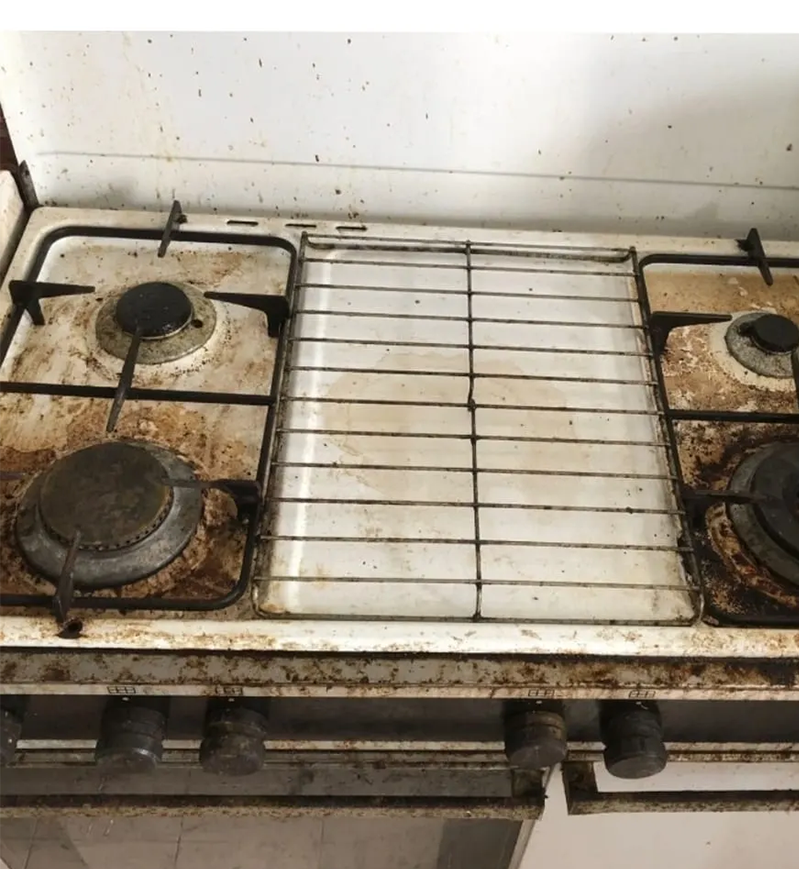
A professional post-tenancy clean covers carpet shampooing, internal glass, partition wipe-down, toilet sanitising and degreasing of pantry surfaces. For the incoming office, a move-in deep clean removes construction dust from any fit-out, sanitises high-touch points, and leaves carpets and flooring presentable for day one, so your team starts in a workspace that looks and smells genuinely fresh.
Move-Out Reinstatement Cleaning
After the movers leave, focus on what the landlord inspects: carpets, walls, glass partitions, toilets and the pantry. Mould near ceiling vents and water stains under sinks are common in older buildings. A thorough reinstatement clean, often paired with minor patching, is what converts a tense handover into a quick deposit refund without back-and-forth disputes.
Move-In Deep Cleaning
Even a brand-new fit-out leaves fine drywall dust on every ledge and inside cabinets. Book a deep clean after contractors finish but before furniture is positioned, so cleaners can reach floors and skirting easily. Sanitising desks, door handles and shared pantry areas before staff return reduces the sniffles that often follow a dusty first week.
- Shampoo carpets and spot-treat stains to meet make-good standards
- Degrease pantry counters, sinks and inside fridges and microwaves
- Wipe internal glass, partitions, skirting and high-level air-con grilles
- Sanitise toilets, desks and high-touch points before staff move in
Local Tips, Pricing and Choosing a Partner for Your Office Move
Singapore office relocation pricing varies with floor area, fit-out complexity and how much reinstatement is required. Movers typically quote by lorry trips and manpower, while cleaning is priced per square foot or as a package. Bundling your move-out reinstatement clean with the move-in deep clean often costs less than booking two separate vendors and keeps your moving checklist for office cleaning tasks under one accountable team.

Choose a partner experienced with commercial buildings and MCST rules, properly insured, and able to work weekends or after hours to avoid disrupting trading days. Ask for a written scope, confirm whether consumables and equipment are included, and check they can produce a clean unit fast enough for a same-day landlord inspection, which is when most deposit decisions are actually made.
Budgeting Realistically
As a rough guide, a small office reinstatement or deep clean can start around 400 to 800 SGD, with mid-size units of 2,000 to 4,000 square feet often landing between 1,000 and 2,500 SGD depending on carpet area and condition. Heavy degreasing, mould remediation or carpet shampooing add to the figure, so always get a site survey.
Avoiding Last-Minute Surprises
Book cleaning the moment your move date is confirmed, because handover-day slots fill fast at month-end. Walk the empty unit with your provider beforehand so the quote reflects real condition, not guesswork. Keep the original handover photos and the cleaning checklist handy during the landlord inspection to settle any disagreement quickly and protect your deposit.
- Request an on-site survey before accepting any cleaning quote
- Confirm equipment, chemicals and consumables are included in the price
- Ask whether weekend or after-hours work carries a surcharge
- Bundle move-out and move-in cleaning with one provider to save cost

Frequently Asked Questions
When should I start the office moving checklist before relocation?
Start your moving checklist for office relocation at least eight weeks out. That gives time to book licensed movers, port fibre and phone lines, apply for MCST permits, notify ACRA and suppliers, and reserve cleaning slots. Singapore vendors fill up fast around quarter-end, so early booking secures your preferred handover-day windows and avoids rushed pricing.
How much does end-of-tenancy office cleaning cost in Singapore?
It depends on floor area and condition. Small offices often start around 400 to 800 SGD, while 2,000 to 4,000 square foot units typically range from 1,000 to 2,500 SGD. Carpet shampooing, mould treatment and heavy pantry degreasing add to the cost, so request a site survey for an accurate quote rather than a phone estimate.
Do I need both move-out and move-in cleaning during a relocation?
Usually yes. Move-out reinstatement cleaning helps you recover your deposit by meeting the landlord's make-good standards, while move-in deep cleaning removes fit-out dust and sanitises the new unit before staff arrive. Bundling both with one provider is often cheaper than separate bookings and keeps responsibility for cleaning on your checklist with a single team.
What do landlords inspect when an office is handed back?
Landlords and their agents focus on carpets, walls, glass partitions, toilets, the pantry and any partitions added during your tenancy. They compare the unit against the original condition report. Shampooed carpets, patched walls, degreased pantry surfaces and sanitised toilets are the items most likely to influence whether your security deposit is returned in full.
Can cleaners work weekends or after office hours in Singapore?
Most commercial cleaning providers, including Athena, offer weekend and after-hours service so your move avoids disrupting trading days. This is common for CBD and business-park offices where lift access and MCST rules limit daytime moving. Confirm whether after-hours work carries a surcharge and book early, as these popular slots fill quickly near month-end.
How long does post-move office cleaning take?
A small office reinstatement or deep clean usually takes a few hours, while a 2,000 to 4,000 square foot unit may need most of a day with a small crew. Timing depends on carpet area, mould, and degreasing needs. Schedule it right after furniture is removed so the landlord inspection can follow the same day.