

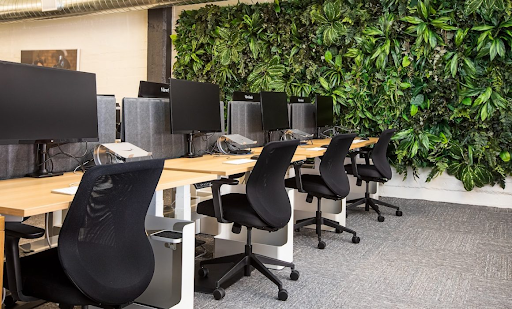
In today’s corporate world, sustainability is no longer just a buzzword; it’s a necessity. As companies strive to reduce their environmental impact, the focus on creating greener, more sustainable workplaces has become essential. A sustainable workplace not only reduces waste and energy consumption but also fosters a healthier, more productive environment for employees.
At Athena Team Cleaning, we understand the importance of sustainability in the workplace, which is why we’re committed to helping offices adopt eco-friendly practices that minimise environmental footprints while maintaining a high standard of cleanliness. In this blog, we’ll walk you through various ways to implement green office practices and explain how our sustainable cleaning services can contribute to a cleaner, greener workspace.
Why Sustainability in the Workplace Matters
Workplaces significantly contribute to environmental pollution, whether it’s through energy consumption, waste generation, or the use of non-recyclable materials. According to the International Labour Organisation, offices are responsible for a substantial portion of the world’s carbon emissions due to heating, lighting, commuting, and waste production.
Implementing sustainable practices not only helps reduce a company’s carbon footprint but also boosts employee morale and productivity. A commitment to eco-friendly initiatives also resonates well with clients and customers, who increasingly favour companies that prioritise sustainability. Let’s explore the key areas where businesses can make a difference by adopting green practices.
Energy Efficiency in the Office
Reducing Energy Consumption
One of the most immediate ways to reduce your office’s environmental impact is by cutting down on energy use. Energy-efficient practices can reduce your office’s carbon footprint and lower operational costs. Simple steps like switching off lights and electronics when not in use can have a significant impact over time.
Here are a few practical tips for reducing energy consumption:
- Energy-efficient appliances: When purchasing new office equipment, opt for devices with high energy ratings. Energy-efficient computers, printers, and air conditioning units use less electricity and often come with eco-modes to further minimise power use.
- Automatic lighting: Install motion-sensor lighting in rooms that are not constantly occupied, such as meeting rooms and restrooms. This ensures lights are only on when needed.
- Power strips: Encourage employees to use power strips for electronics, which can easily be turned off at the end of the day to prevent “phantom” energy usage from devices left on standby.
Transitioning to energy-efficient appliances and adopting small energy-saving habits can result in both immediate and long-term savings for your business.
Transitioning to Renewable Energy
For companies ready to take their sustainability efforts to the next level, transitioning to renewable energy is a powerful step. Offices can implement renewable energy solutions such as solar panels, which not only reduce reliance on fossil fuels but also offer long-term financial benefits.
Here’s how you can begin integrating renewable energy into your office:
- Solar panels: Installing solar panels on your office building can provide a renewable energy source for years to come. Not only do they reduce reliance on non-renewable energy, but any excess energy generated can often be sold back to the grid.
- Green energy providers: If installing solar panels isn’t feasible, consider switching to a renewable energy provider. Many energy companies offer plans that source power from wind, solar, and other renewable energy sources.
Investing in renewable energy might seem daunting initially, but it leads to long-term cost savings while supporting your company’s commitment to sustainability.
Sustainable Office Supplies
Choosing Eco-friendly Products
Sustainable office supplies are an easy and effective way to reduce your office’s environmental impact. From pens and paper to packaging materials, sourcing eco-friendly and recyclable products ensures that fewer non-renewable resources are used and less waste ends up in landfills.
When selecting office supplies, consider the following:
- Recycled paper: Switch to using 100% recycled paper for printing and stationery needs. This reduces deforestation and the environmental impact of paper production.
- Sustainable pens and office supplies: Choose products made from recycled or biodegradable materials. Pens, notebooks, and even office furniture can be sourced from eco-friendly suppliers.
- Green packaging: For offices that ship products, opt for biodegradable or recyclable packaging materials. This includes paper-based bubble wrap, compostable mailers, and reusable boxes.
According to the Green Paper Products, using just one ream of recycled paper can save up to 5.4 kilograms of CO2 emissions, highlighting the tangible environmental benefits of choosing recycled products.
Reusing and Recycling
Another critical aspect of sustainable office practices is maximising the use of materials already on hand. Encourage employees to reuse supplies whenever possible and set up easy-to-access recycling stations for paper, plastic, and electronic waste.
Some steps to implement:
- Recycling bins: Place labelled recycling bins in communal areas like kitchens and copy rooms. This makes it easy for employees to dispose of recyclable materials properly.
- Encourage double-sided printing: Set all office printers to default to double-sided printing to save paper.
- Donate old equipment: Instead of discarding old office furniture or electronics, donate them to local charities or organisations that can repurpose them.
By creating a culture of reuse and recycling, your office can dramatically reduce its waste output while supporting local sustainability initiatives.
Reducing Waste in the Workplace
Digitalisation to Minimise Paper Waste
In the age of digitalisation, reducing paper waste is more achievable than ever. Offices can significantly cut down on paper usage by digitising processes such as contracts, reports, and communication. Not only does this minimise paper waste, but it also streamlines workflow, making documents easier to store and access.
Here are some ways to go digital:
- Cloud storage: Use cloud-based services like Google Drive or Dropbox for document storage and collaboration. This reduces the need for printing and allows employees to access files from anywhere.
- Digital contracts: Switch to digital signatures and contracts, reducing the need for physical paperwork.
- Email communication: Encourage digital communication rather than printed memos or notices. Internal messages and reports can easily be shared via email or company intranets.
By embracing digital tools, offices can minimise their reliance on paper, saving both resources and costs.
Waste Segregation and Management
Proper waste management is crucial for maintaining a sustainable office. Implementing waste segregation stations ensures that different types of waste are disposed of correctly, promoting recycling and reducing landfill waste.
Here’s how to set up an effective waste management system:
- Clear signage: Use clear, colour-coded signage for recycling bins to encourage employees to sort their waste correctly.
- Composting: If your office has a kitchen, consider implementing a composting system for food waste. Compostable materials like coffee grounds, fruit peels, and food scraps can be collected and composted either on-site or through a local service.
- E-waste recycling: Partner with local e-waste recycling programs to properly dispose of old electronics like computers, printers, and mobile phones.
When employees understand the importance of waste segregation, they are more likely to participate, resulting in a more sustainable office environment.
Eco-friendly Commuting and Remote Work
Encouraging Public Transport and Carpools
Employee commuting contributes significantly to an office’s overall carbon footprint. Encouraging sustainable commuting options such as public transport, biking, or carpooling can drastically reduce your company’s environmental impact.
Here are a few ways to promote green commuting:
- Incentivise public transport: Offer subsidies or reimbursements for employees who use public transport to get to work.
- Carpool programs: Set up an internal carpool programme where employees can share rides, reducing the number of cars on the road.
- Bicycle facilities: Provide bike racks and showers for employees who prefer cycling to work.
By promoting alternative transportation methods, your office can contribute to a cleaner environment while supporting the well-being of your employees.
Benefits of Remote Work on Sustainability
Remote work has become more common, and it’s also an effective way to reduce your office’s carbon footprint. With fewer employees commuting, the overall energy consumption and emissions associated with running an office are significantly reduced.
Here’s how remote work benefits sustainability:
- Lower energy use: Fewer people in the office means reduced energy consumption for lighting, heating, and cooling.
- Reduced commuting emissions: With fewer cars on the road, the company’s overall carbon footprint is lowered.
- Decreased waste: Remote employees generate less office waste, such as paper and food packaging.
Offering flexible remote work schedules allows businesses to operate more sustainably while promoting a healthier work-life balance for employees.
Office Plants and Air Quality
Greenery in the Office Space
Adding plants to your office not only enhances the aesthetic appeal but also improves air quality and boosts employee productivity. Indoor plants help filter pollutants and provide a calming atmosphere that promotes well-being.
Some of the best office plants include:
- Snake plants: Known for their air-purifying properties, snake plants are low-maintenance and thrive in indoor environments.
- Peace lilies: These beautiful plants help remove toxins from the air and are easy to care for.
- Spider plants: Spider plants are excellent at filtering out formaldehyde and xylene, both of which are commonly found in office environments.
Introducing greenery into the workplace has been shown to reduce stress and improve employee morale, making it a worthwhile investment for any green office.
Indoor Air Quality Solutions
In addition to plants, there are several other ways to improve indoor air quality in the office. Clean air promotes better health and productivity, reducing absenteeism and creating a more pleasant work environment.
Here are some practical solutions to enhance air quality:
- Ventilation systems: Ensure that your office has adequate ventilation to allow fresh air to circulate. Regularly servicing air conditioning units and replacing filters will help reduce dust and allergens in the air.
- Air purifiers: Consider placing air purifiers in high-traffic areas to filter out pollutants and allergens. Look for purifiers with HEPA filters for maximum efficiency.
- Non-toxic cleaning products: Use eco-friendly, non-toxic cleaning supplies that don’t release harmful chemicals into the air. Many traditional cleaning products contain volatile organic compounds (VOCs), which can degrade indoor air quality over time.
By addressing air quality, you’ll create a healthier workspace that supports both sustainability and employee well-being.
Sustainable Office Furniture and Design
Investing in Recycled and Sustainable Furniture
Sustainable office design goes beyond energy efficiency and waste reduction; it also includes the materials used to furnish the space. Sourcing furniture made from recycled or sustainably sourced materials not only supports environmental efforts but also contributes to the overall aesthetic of a green office.
When selecting office furniture, consider the following:
- Recycled materials: Choose desks, chairs, and shelving made from recycled wood, metal, or plastic. Many suppliers now offer stylish, eco-friendly office furniture that doesn’t compromise on quality.
- Modular designs: Opt for modular furniture that can be easily reconfigured or repurposed as your office needs change. This reduces the need to purchase new furniture in the future, minimising waste.
- Sustainable certifications: Look for furniture with certifications such as FSC (Forest Stewardship Council) for wood products or Cradle to Cradle, which indicates that the product is made in a way that supports circular economy principles.
By investing in sustainable furniture, your office can reduce its environmental impact and support eco-friendly production methods.
Office Layout for Energy Efficiency
An energy-efficient office layout can further reduce your workplace’s reliance on artificial lighting and HVAC systems. Thoughtfully designed spaces that make use of natural light and ventilation not only reduce energy costs but also create a more pleasant work environment.
Here are some tips for designing an energy-efficient office:
- Maximise natural light: Position desks and communal areas near windows to take advantage of natural light. This reduces the need for artificial lighting during daylight hours.
- Open-plan design: An open-plan office allows for better air circulation, reducing the need for constant air conditioning.
- Light-coloured walls: Light colours reflect more light, making your office feel brighter and more open, reducing the need for additional lighting.
By designing a space that uses natural resources efficiently, you can cut down on energy consumption while creating a brighter, more inviting office environment.
Partnering with Green Cleaning Services
Sustainable Cleaning Practices
Keeping the office clean is essential for both health and productivity, but many traditional cleaning products and methods can negatively impact the environment. By choosing a green cleaning service, your office can maintain a high standard of cleanliness without contributing to pollution or harming indoor air quality.
Here’s why sustainable cleaning practices matter:
- Non-toxic products: Eco-friendly cleaning products are free from harmful chemicals that can degrade indoor air quality and harm the environment. At Athena Team Cleaning, we use non-toxic, biodegradable cleaning products that are just as effective as their traditional counterparts but much safer for both people and the planet.
- Reduced water waste: Sustainable cleaning methods often use less water, contributing to overall resource conservation.
- Minimising plastic use: Many green cleaning companies reduce their use of single-use plastics by opting for reusable or compostable cleaning tools.
By adopting sustainable cleaning practices, your office can maintain a safe and healthy environment without compromising on your commitment to sustainability.
Promoting Athena Team Cleaning Services – Quality and Reliable Cleaning Services in Singapore
Eco-friendly Cleaning for a Healthier Workplace
At Athena Team Cleaning, we understand that maintaining a clean, green office requires more than just surface-level cleaning. Our eco-friendly cleaning services are designed to support your workplace’s sustainability goals while ensuring a spotless, hygienic environment for employees and visitors alike.
Our team uses:
- Biodegradable and non-toxic cleaning products: We prioritise products that are safe for the environment and free from harmful chemicals.
- Water-efficient cleaning techniques: We minimise water usage by employing cleaning methods that are both efficient and eco-friendly.
- Waste-conscious disposal: We ensure that all waste generated during cleaning is disposed of responsibly, with a focus on recycling and reducing landfill waste.
Our sustainable cleaning services are available for offices of all sizes across Singapore, providing peace of mind that your workplace is in expert hands.
The Importance of Sustainable Cleaning
Sustainable cleaning practices go beyond environmental benefits. They also contribute to a healthier workplace, reducing the presence of allergens, toxins, and pollutants that can harm employee health and productivity. By choosing Athena Team Cleaning, you can be confident that your office is not only clean but also contributing to a greener, healthier world.
Trusted Green Cleaning Experts in Singapore
As one of Singapore’s leading green cleaning service providers, Athena Team Cleaning is proud to support businesses in their sustainability journey. Our team of experienced cleaners is dedicated to providing high-quality, reliable cleaning solutions that align with your office’s eco-friendly goals.
From daily cleaning to specialised deep-cleaning services, we work with you to create a customised cleaning plan that fits your needs and ensures your office is always in top condition.
How to Get Started with Sustainability in Your Office
Establishing a Green Office Committee
One of the best ways to kick-start sustainability efforts in your workplace is to form a Green Office Committee. This group of employees can lead the charge by implementing eco-friendly practices, organising sustainability initiatives, and encouraging office-wide participation in green efforts.
Steps for establishing a Green Office Committee:
- Recruit passionate employees: Choose employees who are enthusiastic about sustainability and can help drive the initiative forward.
- Set clear goals: Work with the committee to outline the office’s sustainability objectives, such as reducing energy consumption, minimising waste, and improving recycling efforts.
- Create an action plan: Develop a detailed plan with specific steps and timelines for achieving your sustainability goals.
Setting Achievable Sustainability Goals
When it comes to creating a sustainable workplace, it’s important to set realistic, measurable goals. Start small and build on your successes over time, gradually incorporating more eco-friendly practices as your office becomes more accustomed to the changes.
Here are some examples of achievable sustainability goals:
- Reduce paper use by 50% within six months by encouraging digital documentation.
- Cut energy consumption by 20% in the next year by implementing energy-saving appliances and policies.
- Increase recycling by 30% by installing more recycling stations and educating employees on waste segregation.
By setting clear goals and tracking progress, your office can continuously improve its sustainability efforts, creating a greener and more efficient work environment.
Clean Green, Work Smart – Let Us Polish Your Sustainability Spark!
Ready to take your office’s sustainability efforts to the next level? At Athena Team Cleaning, we offer eco-friendly cleaning solutions that support your green office initiatives while ensuring your workspace is clean, safe, and welcoming.
Contact us today to schedule a consultation and learn how our sustainable cleaning services can help your office thrive. Let Athena Team Cleaning take care of your cleaning needs while you focus on creating a greener, more productive workplace!
How Greening Office Cleaning Works in a Singapore Workplace
Greening office cleaning replaces harsh solvents and single-use materials with low-toxicity products, reusable microfibre, and water-saving methods. In Singapore's humid, air-conditioned offices, this matters because trapped chemical fumes and damp cloths breed odours and mould. A genuine green clean still removes coffee stains, pantry grease, and washroom germs effectively, so you sacrifice nothing on hygiene while cutting the indoor pollutants that aggravate allergies and headaches among staff.
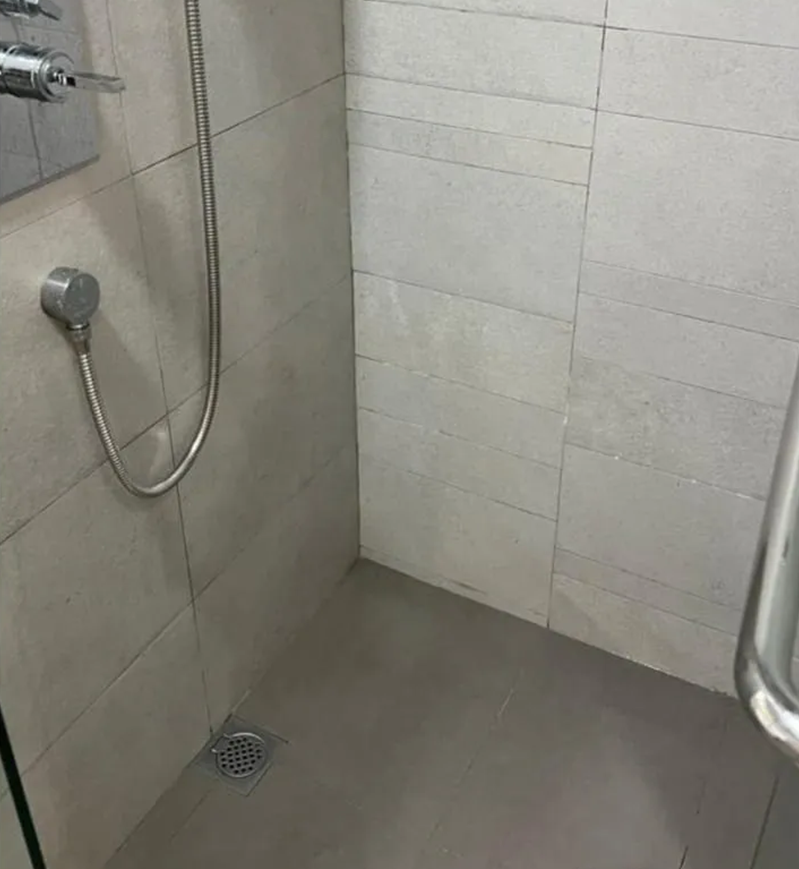
The process starts with an audit of your floor area, traffic levels, and surface types, then a switch to concentrated eco refills and colour-coded cloths to prevent cross-contamination. Our crews dose products by measure rather than free-pouring, run HEPA-filtered vacuums, and time deep tasks for off-peak hours. These office sustainability steps lower waste volume and chemical load without disrupting your team's working day inside the office.
Eco Products That Actually Clean
Look for plant-derived surfactants, fragrance-free or low-VOC formulas, and recognised eco certifications. In tropical Singapore, microfibre and enzyme-based pantry cleaners cut through grease without heavy bleach. We dilute concentrates on-site, which slashes plastic bottle waste and shipping weight while keeping cost per clean stable across your whole office floor plate.
Water and Energy Savings
Greening office routines use spray-and-wipe over flood-mopping, reducing water use and slip risk on tiled lobbies. Crews work with daylight where possible and switch off pantry appliances and meeting-room lights after hours. Over a year these small green initiatives in the workplace trim utility bills and shrink your carbon footprint noticeably, especially across multi-floor condos and shophouse offices.
- Swap single-use wipes for washable, colour-coded microfibre cloths
- Choose low-VOC, fragrance-free products to protect air-con air quality
- Use concentrate refills to cut plastic bottle waste by up to 80 percent
- Schedule deep cleans off-peak to save energy and avoid disruption
Greening Office Practices That Reduce Waste Day to Day
Beyond cleaning chemicals, greening office habits target the waste your team generates. Clearly labelled recycling stations for paper, plastic, and cans lift recycling rates, while a small pantry compost caddy diverts coffee grounds and fruit scraps. Cleaners empty and sort these correctly so contamination stays low. In Singapore, where the National Environment Agency tracks recycling, well-run bins also help landlords meet building green-mark expectations for tenanted floors.
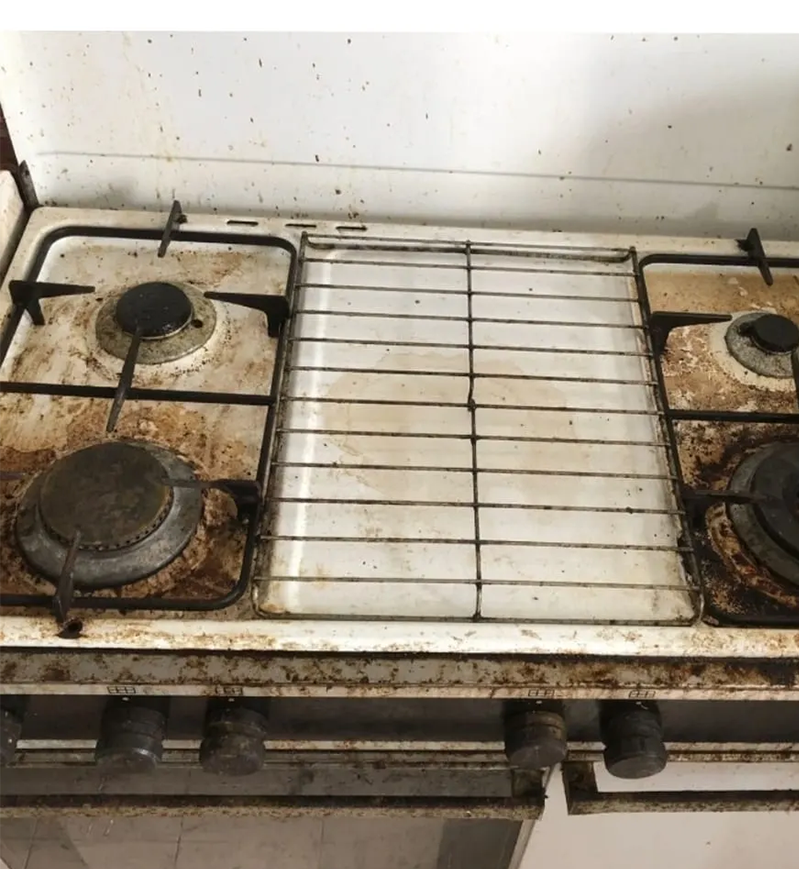
Paper towel and tissue overuse is a hidden cost. Switching washrooms to high-efficiency hand dryers or recycled-content towels, and right-sizing dispenser refills, reduces both spend and bin volume. Pair this with refillable hand soap and reusable pantry crockery, and you embed sustainable workplace practices that staff actually maintain because they are simple, visible, and built into the daily cleaning round rather than bolted on.
Smart Recycling Stations
Place clearly signed bins at copiers, pantries, and lift lobbies where waste is generated. Mixed bins fail because one greasy container spoils a whole bag, so separate streams matter. Our team checks signage, removes contamination, and reports fill rates, helping you right-size collections and avoid paying for half-empty waste pickups each week.
Cutting Disposable Consumables
Single-use cups, stirrers, and cutlery pile up fast in busy offices. Greening office supply choices means reusable mugs, bamboo or steel cutlery, and bulk dispensers over sachets. Cleaners wash and restock these as part of the pantry routine, so the green initiatives stick instead of fading after the first enthusiastic month back at work.
- Label recycling by stream: paper, plastics, metals, and e-waste
- Position bins where waste is created, not just at exits
- Replace sachets and single-use cups with bulk and reusable options
- Track bin fill rates to right-size and reduce collection frequency
Pricing and What Green Office Cleaning Costs in Singapore
Eco cleaning in Singapore is priced much like standard service, since reusable cloths and concentrates offset the cost of certified products. For a small office, recurring cleaning typically runs around SGD 25 to 40 per hour, while monthly contracts for a 1,500 to 3,000 sq ft floor often land between SGD 600 and SGD 1,800 depending on frequency, washroom count, and pantry size. Greening office add-ons like recycling management add little to that base.

One-off deep cleans, carpet extraction, or post-renovation work for greening your office are quoted by area, commonly SGD 250 to SGD 900 for a typical SME unit. Ask providers to itemise products, frequency, and consumables so you can compare like for like. A transparent quote also reveals whether sustainable workplace practices are genuinely built in or simply marketed, which protects both your budget and your green credentials.
What Drives Your Quote
Floor area, traffic, surface mix, washroom and pantry count, and visit frequency shape the price most. Glass-heavy facades, raised flooring, and 24-hour operations add labour. Greening office requests such as bin sorting and consumable restocking are usually folded in at modest cost because they replace tasks crews already perform on each scheduled visit.
Saving Money the Green Way
Sustainable choices often pay back. Concentrates cut product spend, right-sized bins reduce disposal fees, and hand dryers lower towel costs over time. Bundling weekly cleaning with quarterly deep cleans usually earns a better rate than ad-hoc bookings, so plan office sustainability and budgeting together rather than treating green as an expensive extra line item.
- Recurring cleaning: roughly SGD 25 to 40 per hour for small offices
- Monthly contracts: about SGD 600 to 1,800 by size and frequency
- Deep or post-reno cleans: commonly SGD 250 to 900 per SME unit
- Ask for itemised quotes covering products, consumables, and frequency
Maintaining Sustainable Workplace Practices Long Term
Greening office gains fade without upkeep, so build routines into your cleaning contract rather than relying on staff goodwill. Agree a simple checklist covering bin sorting, refill levels, and product dilution, and review it quarterly. In Singapore's humidity, also schedule periodic air-con grille wiping and carpet extraction, since damp dust harbours mould and undoes the indoor air-quality benefits that motivated your green programme in the first place.
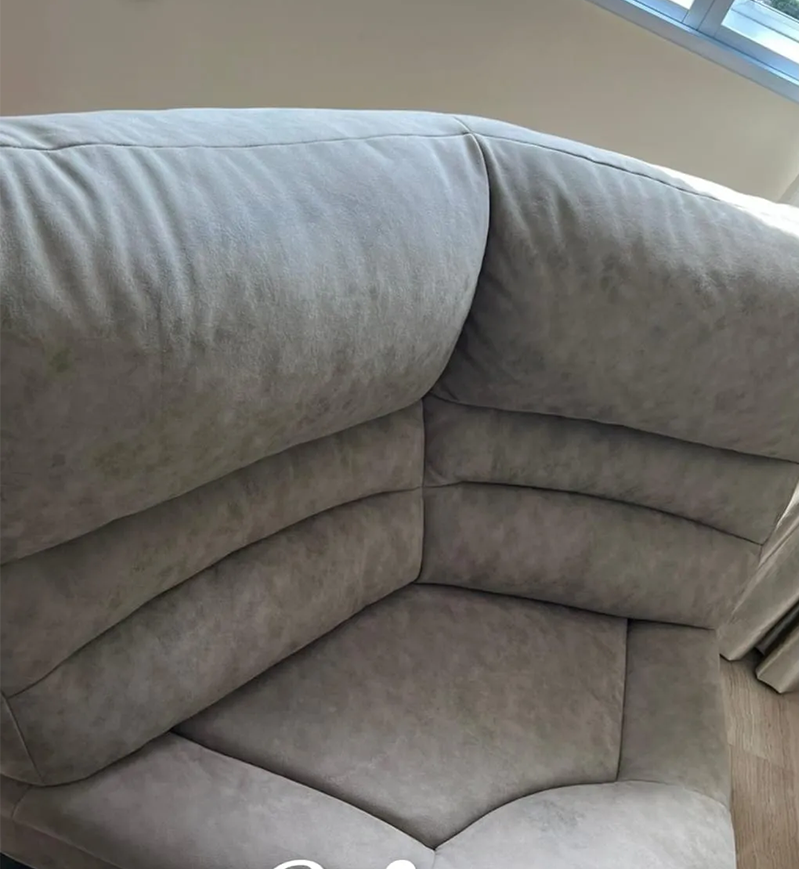
Engagement keeps momentum alive. Share quick wins like reduced waste bags or lower towel use on a pantry noticeboard, and nominate a green champion per floor. When cleaners, facilities, and staff share the same simple goals, green initiatives in the workplace become the default. The result is a healthier office, lower bills, and credentials you can confidently show clients, landlords, and prospective hires touring your space.
Seasonal Tropical Upkeep
Singapore's heat and rain drive in dust and moisture year-round. Quarterly carpet extraction, regular entrance-mat washing, and air-con vent wiping stop mould and musty smells. Greening office maintenance pairs these with eco products so deep cleans do not flood your workspace with fumes over a humid weekend when ventilation is limited and air-con runs constantly.
Measuring Your Progress
Track waste bags removed, recycling weight, and consumable spend month to month. Even rough figures reveal whether sustainable workplace practices are working. Set a modest annual target, review it with your cleaning provider, and adjust frequency or products accordingly so greening your office stays evidence-based rather than a one-off feel-good gesture that quietly lapses.
- Write green tasks into the cleaning checklist and review quarterly
- Schedule humidity-driven deep cleans for carpets and air-con grilles
- Appoint a green champion per floor to sustain momentum
- Track waste, recycling, and consumables to prove real progress

Frequently Asked Questions
Is greening office cleaning as effective as conventional cleaning?
Yes. Modern eco products and microfibre remove grease, stains, and germs just as well as harsh chemicals when used correctly. The difference is fewer fumes and less residue, which is especially valuable in Singapore's sealed, air-conditioned offices where strong solvent smells linger and aggravate allergies, headaches, and sensitive staff.
How much does green office cleaning cost in Singapore?
Expect roughly SGD 25 to 40 per hour for small offices, or about SGD 600 to 1,800 monthly for a 1,500 to 3,000 sq ft floor depending on frequency, washrooms, and pantry size. Greening office extras like recycling sorting usually add little because crews already pass those areas on each visit.
Will switching to sustainable workplace practices increase my cleaning bill?
Rarely by much. Concentrated products and reusable cloths offset certified-product costs, and right-sized bins and hand dryers cut disposal and towel spend over time. Many offices find office sustainability roughly cost-neutral within a few months, especially when weekly cleaning and quarterly deep cleans are bundled into one contract rate.
What eco products do you use for greening office spaces?
We use low-VOC, fragrance-free, plant-derived concentrates with recognised eco certifications, plus enzyme pantry cleaners and HEPA-filtered vacuums. Concentrates are diluted on-site to cut plastic waste. We can match your preferred brands or building green-mark requirements and share product data sheets so facilities teams can verify what is used on every floor.
How do you manage recycling and waste in our office?
We set up clearly signed bins for paper, plastics, metals, and e-waste where waste is generated, empty and sort them on each visit, and flag contamination. We also report fill rates so you can right-size collections. These green initiatives in the workplace help landlords meet building green-mark and NEA recycling expectations.
How often should a Singapore office do eco deep cleaning?
Quarterly works for most offices, with carpet extraction, air-con grille wiping, and mat washing scheduled to counter humidity-driven dust and mould. High-traffic or food-handling floors may need it more often. We time deep cleans off-peak and use low-fume products so weekend ventilation limits do not trap odours.