

Singapore’s tropical climate presents both beauty and challenges. While rainfall and greenery enhance the city, high humidity can damage building materials, leading to mould, structural issues, and accelerated wear.
With the country’s focus on high-density living and skyscrapers, maintaining safety is critical. Building maintenance practices in Singapore help keep structures functional and protect the health of residents. Effective property management involves careful planning, routine inspections, and prompt responses to potential issues before they escalate.
In the sections below, we’ll explore the best practices for safety and longevity in building maintenance, along with the benefits of working with expert building maintenance services Singapore.
Importance of Regular Building Maintenance for Safety and Longevity
Ensuring Structural Integrity through Preventive Maintenance
Preventive maintenance is a critical component of ensuring the long-term safety and longevity of any building. By regularly inspecting a property, building managers can identify and address minor issues before they escalate into significant structural problems.
Ignoring seemingly small concerns, such as cracks in the walls or water leakage, can lead to much larger issues, which can compromise the building’s structural integrity.
- Preventing Structural Weakness: In high-rise buildings, regular inspections can help detect cracks, foundation shifts, or weakened support beams. Preventive maintenance ensures that small repairs are made to prevent serious safety hazards that can jeopardise the entire building structure.
- Prolonging Building Lifespan: Timely repairs not only protect the structure but also extend the building’s overall life. This includes essential components such as walls, roofs, and floors that can deteriorate over time without proper care.
For property owners in Singapore, routine inspections should be scheduled at least annually, and preventive maintenance should be conducted every six months to address any issues related to the structure’s foundation, façade, and mechanical systems.
The Role of Building Maintenance in Enhancing Safety
Safety is a paramount concern for any building owner or manager. Regular building maintenance practices directly impact the safety of the occupants and visitors. Maintaining systems like fire alarms, sprinklers, and electrical systems in top condition helps property managers prevent accidents and ensure the safety of everyone in the building.
- Fire Safety: In Singapore, fire safety regulations are strictly enforced. Ensuring that fire alarms, sprinklers, and extinguishers are in proper working order can save lives during emergencies. Additionally, maintaining emergency exits and keeping evacuation routes free from obstructions is critical for ensuring that occupants can safely exit the building in the event of a fire.
- Electrical Safety: Regular inspections of the building’s electrical system are necessary to prevent issues such as short circuits, electrical fires, and power outages. Over time, wiring can degrade, and outdated electrical systems may not meet the demands of modern appliances and electronics.
Failing to maintain fire safety systems or electrical systems can have catastrophic consequences, including property damage, injuries, or even fatalities. It is essential to establish a maintenance plan that includes regular checks of all safety systems to ensure they are functioning as required by Singapore’s safety regulations.
Compliance with Singapore’s Building Regulations
In Singapore, there are strict building regulations in place to ensure the safety and longevity of structures. Property managers and owners must adhere to these regulations to avoid penalties and ensure their buildings remain safe for occupants.
Regular inspections, certifications, and maintenance activities must be conducted in compliance with these rules.
- Regulatory Inspections: In Singapore, regulatory bodies such as the Building and Construction Authority (BCA) oversee building safety and maintenance standards. Property managers are required to conduct regular inspections and ensure that all necessary certifications, such as fire safety certifications and structural integrity reports, are up to date.
- Consequences of Non-Compliance: Failing to comply with these regulations can result in fines, legal action, or even the closure of the building. Therefore, maintaining a comprehensive understanding of Singapore’s building codes and ensuring all maintenance practices align with national standards is critical for property managers.
Adhering to Singapore’s building regulations not only ensures the safety and longevity of the structure but also protects the owner from potential legal issues and financial losses.
Key Building Maintenance Practices for Longevity
Routine Inspections and Assessments
Routine inspections are the foundation of any successful building maintenance plan. These inspections help identify underlying issues before they become larger, more costly problems. For high-rise buildings, this can include checking for cracks in the foundation, ensuring that water drainage systems are functioning properly, and inspecting exterior facades for signs of wear and tear.
- Inspections for Water Damage: Water damage is a common problem in Singapore’s humid climate. Regular inspections of the roof, exterior walls, and plumbing systems are essential to prevent water intrusion, which can lead to mould growth, structural damage, and even health hazards.
- Regular Condition Reports: Professional inspections provide detailed condition reports that outline the building’s current state, identify any potential issues, and offer recommendations for repairs. These reports are invaluable for creating an effective preventive maintenance schedule.
Routine assessments, conducted by professional building inspectors, should be scheduled every six to twelve months, depending on the age and condition of the property. These reports help property managers stay informed and take proactive measures to ensure the longevity of the building.
HVAC System Maintenance
Heating, ventilation, and air conditioning (HVAC) systems play a crucial role in maintaining indoor air quality and occupant comfort. In Singapore, where temperatures can be high year-round, a well-functioning HVAC system is essential.
Regular HVAC maintenance not only extends the system’s lifespan but also ensures that it operates efficiently and safely.
- Energy Efficiency: A poorly maintained HVAC system can significantly increase energy consumption. By regularly cleaning air filters, inspecting ducts, and checking for leaks, property managers can reduce energy costs and improve the system’s overall performance.
- Air Quality: HVAC systems are responsible for circulating air throughout the building. Dirty air filters and clogged ventilation ducts can lower indoor air quality, leading to health problems for occupants. Regular maintenance of these systems ensures that the air remains clean and free from pollutants.
Property managers should schedule HVAC system inspections at least twice a year, with additional check-ups during periods of heavy usage. This will help prevent system failures, improve energy efficiency, and ensure a healthier indoor environment.
Plumbing and Water System Maintenance
Water damage can quickly become one of the most costly issues in building maintenance. A small leak left untreated can lead to significant water damage, including mould growth, rotting wood, and weakened structural components. Regular plumbing maintenance is essential to ensuring the longevity of a building.
- Leak Detection and Repair: Regularly checking for leaks in plumbing fixtures, pipes, and water lines can prevent significant water damage. Property managers should also monitor water pressure, as unusually high pressure can cause pipes to burst, leading to floods and extensive repairs.
- Water System Cleanliness: Ensuring the cleanliness of the building’s water system, including hot water heaters and drinking water lines, helps prevent the buildup of harmful contaminants that can affect both the plumbing system and the health of building occupants.
Routine plumbing inspections should be scheduled annually, with immediate attention given to any detected issues.
Electrical System Checks and Upgrades
A building’s electrical system is one of its most critical components, and regular maintenance is essential for both safety and functionality. Over time, electrical wiring can degrade, posing a serious fire hazard if not properly maintained.
Regular inspections of electrical systems help ensure that everything is functioning correctly and that the building remains safe.
- Inspection of Wiring: Checking electrical wiring for signs of wear, damage, or corrosion can help prevent electrical fires, power outages, or other electrical malfunctions. Outdated or faulty wiring should be replaced immediately to maintain building safety.
- Upgrading Outdated Systems: As buildings age, their electrical systems may no longer meet the demands of modern technology and appliances. Upgrading electrical systems ensures that they can handle the increased load without compromising safety.
Electrical system inspections should be conducted annually, with particular attention paid to older buildings that may not have been upgraded in recent years.
Safety-Centric Building Maintenance Practices
Fire Safety Equipment and Emergency Exit Maintenance
Fire safety is a crucial part of building maintenance. Proper upkeep of fire safety equipment can save lives during emergencies, and ensuring emergency exits and evacuation routes are clear allows occupants to safely exit in case of a fire.
- Fire Extinguisher Checks: Fire extinguishers should be inspected regularly to ensure they are not expired and are properly positioned throughout the building. In Singapore, fire safety regulations require that all extinguishers be checked and serviced annually.
- Maintaining Emergency Exits: Emergency exits must be clearly marked, free from obstructions, and easily accessible. Regular inspections of stairwells, doors, and exit routes are critical for ensuring that they remain functional in an emergency.
Fire safety inspections should be conducted every six months, with additional checks scheduled as needed. Property managers must ensure compliance with Singapore’s fire safety regulations to protect building occupants and prevent legal repercussions.
Elevator and Escalator Maintenance
For buildings equipped with elevators or escalators, regular maintenance is a necessity. Malfunctions in these systems can pose serious safety risks, and even a minor issue could result in injury or accidents.
Regular inspections and servicing help prevent breakdowns and ensure that elevators and escalators remain safe for use.
- Elevator Inspections: Elevator systems should be inspected regularly to ensure that mechanical components, cables, and control systems are functioning properly. Any issues should be addressed immediately to prevent accidents.
- Escalator Maintenance: Escalators require regular cleaning and lubrication to prevent mechanical issues. Components such as steps, handrails, and drive chains should be inspected for wear and replaced as necessary.
Elevators and escalators should be inspected by a certified technician at least once a year, with additional maintenance scheduled based on the manufacturer’s recommendations. Properly maintained elevators and escalators ensure both safety and reliability for building occupants.
Building Façade and Structural Repairs
The exterior of a building, including its façade, balconies, and structural components, is subject to constant exposure to the elements. Over time, these areas can weaken, resulting in loose materials or structural degradation that poses safety risks.
Regular maintenance of the building’s exterior helps prevent accidents and ensures that the structure remains sound.
- Façade Inspections: Regular inspections of the building’s façade can identify cracks, loose materials, or other issues that could compromise its integrity. These inspections are especially important in high-rise buildings, where falling debris can pose a serious risk to pedestrians.
- Balcony and Handrail Repairs: Balconies and handrails must be checked regularly for signs of wear, rust, or structural weakening. Ensuring that these areas are safe helps prevent accidents and improves the overall safety of the building.
Façade and structural inspections should be conducted annually, with repairs made as necessary. Addressing minor issues early can prevent costly repairs and ensure the long-term safety and stability of the building.
Preventive vs. Reactive Building Maintenance
Benefits of Preventive Maintenance
Preventive maintenance is the proactive approach to building management. Rather than waiting for systems to fail or problems to arise, preventive maintenance focuses on regularly scheduled upkeep to address potential issues before they escalate.
This approach not only reduces costs but also improves the overall safety and performance of the building.
- Cost Savings: Preventive maintenance helps reduce long-term costs by addressing minor issues before they become major repairs. For example, repairing a small leak in the roof is much cheaper than replacing an entire roof after extensive water damage.
- Improved Building Performance: Systems such as HVAC, electrical, and plumbing are more likely to operate efficiently when they are regularly maintained. This improves occupant comfort and reduces the risk of system failures.
Property managers who implement preventive maintenance programs typically experience fewer breakdowns, lower repair costs, and a higher level of occupant satisfaction. Creating a detailed preventive maintenance plan is an essential part of ensuring the longevity of any building.
Risks of Reactive Maintenance
Reactive maintenance, on the other hand, involves responding to problems after they occur. While this approach may seem cost-effective in the short term, it often leads to higher expenses and safety risks in the long run.
Waiting until a system fails or a problem becomes too big to ignore can result in costly emergency repairs.
- Increased Costs: Emergency repairs are typically more expensive than planned maintenance. For example, a sudden plumbing failure may require immediate repairs, which can be costly, especially if the issue occurs during off-hours.
- Higher Safety Risks: Allowing issues to escalate increases the likelihood of accidents or system failures that could endanger building occupants. For example, a neglected electrical system could lead to an electrical fire, which poses a significant safety hazard.
While reactive maintenance may seem like a way to save money in the short term, it can result in higher costs and greater safety risks over time. A preventive approach is always the safer, more cost-effective option.
Creating a Preventive Maintenance Schedule
A well-planned preventive maintenance schedule ensures that all aspects of the building are regularly checked and maintained. This schedule should be tailored to the specific needs of the building, taking into account its age, usage patterns, and environmental factors.
- Tailored Schedules: Every building is unique, and its maintenance needs will vary based on its design, location, and use. Property managers should work with maintenance professionals to create a customised schedule that addresses the specific challenges faced by their property.
- Tracking Maintenance Activities: Keeping a detailed record of all maintenance activities is essential for ensuring that nothing is overlooked. Maintenance logs can help property managers track when tasks were completed and plan for upcoming maintenance activities.
Establishing a preventive maintenance schedule ensures systems run efficiently and addresses issues before they escalate. This proactive approach extends the building’s lifespan and lowers overall maintenance costs.
Common Challenges in Building Maintenance and How to Address Them
Managing Maintenance in High-Rise Buildings
Maintaining high-rise buildings presents unique challenges that require specialised equipment and expertise. In Singapore’s densely populated urban environment, high-rise buildings are a common sight, and keeping these structures safe and functional requires careful planning and execution.
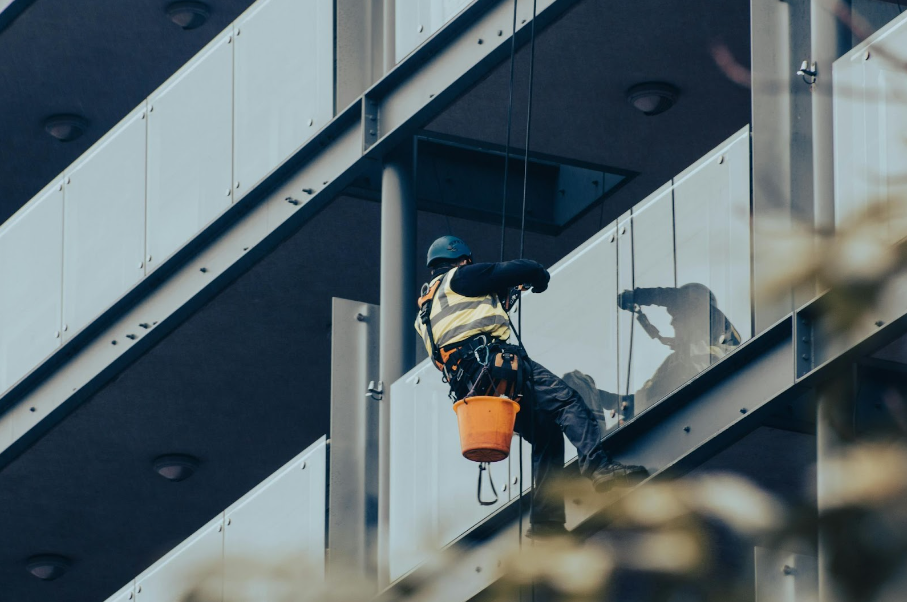
- Rope Access and Drones: One of the biggest challenges in maintaining high-rise buildings is accessing the exterior façade. Rope access technicians or drones can be used to inspect and maintain areas that are difficult to reach, such as exterior walls, windows, and roofs.
- Regular Façade Cleaning: The exterior of high-rise buildings is constantly exposed to pollution, dust, and weather conditions, which can cause deterioration over time. Regular façade cleaning not only improves the building’s appearance but also prevents structural damage.
For property managers overseeing high-rise buildings, working with professional building maintenance services Singapore is essential. These companies have the expertise and equipment needed to maintain high-rise structures safely and efficiently.
Coping with Singapore’s Humid Climate
Singapore’s humid climate poses significant challenges to building maintenance. High humidity can accelerate the deterioration of building materials, promote mould growth, and cause corrosion in metal components.
Addressing these issues requires specialised maintenance practices that are tailored to the local environment.
- Dehumidifiers and Ventilation: Installing dehumidifiers and ensuring proper ventilation can help reduce indoor humidity levels, preventing the buildup of moisture that can lead to mould growth and structural damage. This is especially important in areas such as basements, bathrooms, and kitchens, where moisture is more likely to accumulate.
- Protective Coatings: Applying water-resistant coatings to vulnerable building materials, such as wooden structures, metal fixtures, and exterior walls, can help prevent deterioration caused by moisture exposure.
Implementing maintenance practices tailored to Singapore’s humid climate helps property managers protect buildings from moisture damage and ensure their longevity.
Budgeting for Building Maintenance Services
Creating a realistic budget for building maintenance services Singapore is essential for ensuring that all necessary tasks can be completed without overspending. A well-planned budget helps property managers prioritise maintenance tasks and allocate resources efficiently.
- Prioritising Maintenance Tasks: Not all maintenance tasks are equally important. High-priority tasks, such as fire safety checks, electrical inspections, and roof repairs, should take precedence over less critical tasks like cosmetic upgrades. Property managers should prioritise tasks that have the most significant impact on safety and functionality.
- Creating a Reserve Fund: Setting aside a reserve fund for unexpected repairs or maintenance emergencies can help smooth out the financial burden over time. This reserve can be used to cover the cost of emergency repairs, such as plumbing or electrical failures, without straining the building’s regular maintenance budget.
Choosing the Right Building Maintenance Services in Singapore
Factors to Consider When Selecting a Maintenance Provider
Selecting a reputable provider of building maintenance services Singapore is essential for ensuring that all maintenance tasks are performed to the highest standards. When choosing a provider, property managers should consider factors such as experience, certifications, and customer reviews.
- Experience and Expertise: Look for a provider with a proven track record of successfully maintaining similar types of buildings. An experienced provider will have the knowledge and skills needed to handle the unique challenges of your property.
- Certifications and Safety Standards: Ensure that the provider complies with industry standards and has the necessary certifications for performing maintenance tasks. This includes certifications for fire safety, electrical work, and plumbing.
Evaluating Maintenance Contracts
Before signing a maintenance contract, property managers should carefully review the terms to ensure that all essential services are covered. A comprehensive maintenance contract should include services such as HVAC, electrical, plumbing, and structural maintenance.
- Comprehensive Coverage: Ensure that the contract covers all critical areas of the building, including mechanical systems, structural components, and safety equipment. A well-rounded maintenance plan will address all aspects of building upkeep, from routine cleaning to emergency repairs.
- Customised Contracts: Look for providers who offer flexible and customised contracts that align with the unique needs of your property. A one-size-fits-all approach may not be sufficient for buildings with specialised maintenance requirements.
Carefully evaluating maintenance contracts ensures property managers provide the necessary care to keep buildings safe, functional, and attractive.
Importance of Customised Maintenance Solutions
Every building has different maintenance needs based on its design, usage, and location. Customised maintenance solutions ensure that these unique requirements are met, providing a tailored approach to building upkeep.
- Tailored Service Plans: Work with providers who create bespoke service plans that address the specific challenges faced by your building. Customised plans should take into account the age of the building, its usage patterns, and any environmental factors that may affect its maintenance needs.
- Long-Term Strategies: Customised solutions should not only address immediate maintenance needs but also focus on long-term building performance and longevity. By planning for the future, property managers can ensure that their buildings remain safe and functional for years to come.
Choosing a provider that offers customised maintenance solutions is essential for ensuring the long-term success of any property management strategy.
Athena Team Cleaning Services – Reliable Cleaning Services in Singapore
Why Choose Athena Team for Your Building Maintenance Needs?
Athena Team Cleaning Services is a trusted provider of building maintenance services Singapore. With years of experience in maintaining both commercial and residential properties, Athena Team is known for its attention to detail and dedication to quality.
From routine cleaning and HVAC maintenance to structural repairs, Athena Team offers comprehensive services to ensure the safety and longevity of your building.
- Experienced Team: Athena Team employs skilled professionals who are trained in the latest maintenance techniques and safety standards. Their team has extensive experience in maintaining a wide range of buildings, from high-rise condominiums to commercial office spaces.
- Comprehensive Services: The team offers a wide range of services that ensure the safety and functionality of your building. From cleaning and façade maintenance to HVAC system upkeep and electrical inspections, Athena Team covers all aspects of building maintenance.
Our commitment to excellence ensures that every aspect of your property is well-maintained, providing peace of mind for both property managers and building occupants.
Comprehensive Services Offered by Athena Team
Athena Team offers a variety of building maintenance services in Singapore, ensuring that every aspect of your property is well-maintained and secure. Their comprehensive services include routine cleaning, façade maintenance, HVAC system cleaning, and more.
- Regular Cleaning and Façade Maintenance: Athena Team provides regular cleaning services to keep your building looking its best. Their façade maintenance services help protect the exterior of your building from environmental damage and ensure that it remains safe for occupants and pedestrians.
- HVAC and Electrical System Maintenance: The team is experienced in handling the technical aspects of HVAC and electrical system upkeep. Their services ensure that all systems function efficiently, reducing the risk of breakdowns and improving indoor air quality.
You can be confident that your building will receive the care it needs to remain safe, functional, and attractive.
Commitment to Safety and Customer Satisfaction
Athena Team Cleaning Services takes pride in delivering excellent customer service while maintaining high safety standards. Our commitment to quality ensures that every client receives the best care for their building.
- Customer-Centric Approach: Athena Team works closely with clients to understand their specific needs and develop tailored solutions. Their customer-centric approach ensures that every maintenance task is completed to the highest standard.
- Safety-First Mentality: The team adheres to strict safety protocols to ensure the well-being of both clients and their property. Whether they’re working on routine cleaning or complex repairs, safety is always the top priority.
With a strong focus on customer satisfaction and safety, Athena Team Cleaning Services is the ideal partner for maintaining the longevity of your building.
Maximise Your Building’s Longevity – Schedule a Consultation with Athena Team Now!
Proper building maintenance practices are essential to ensuring the safety and longevity of your property. With Athena Team Cleaning Services, you can trust that your building is in expert hands.
Contact Athena Team today to schedule a consultation or book a maintenance plan that fits your building’s specific needs.