

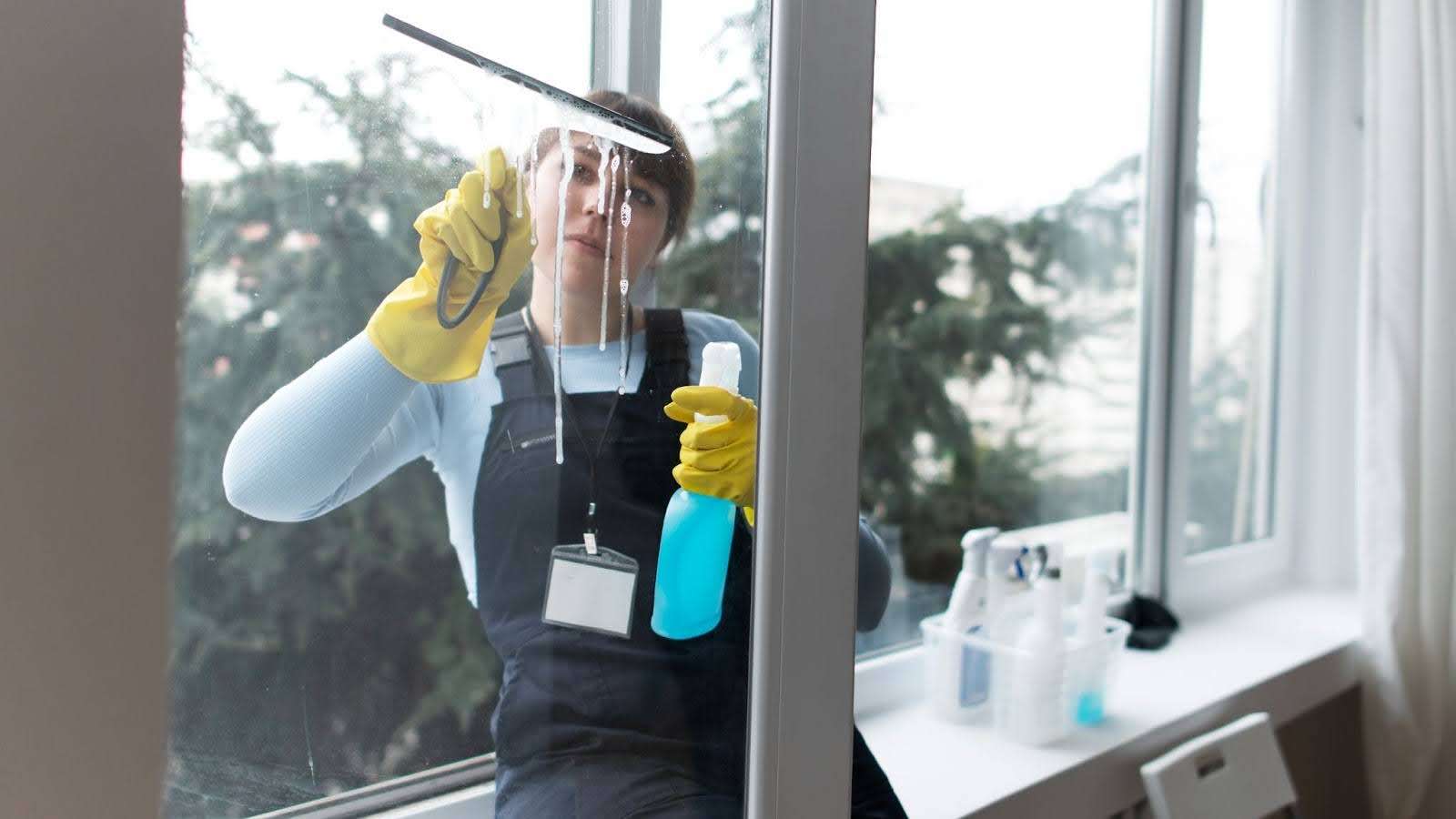
The Impact of Renovations on Home Cleanliness
Renovating your home is often an exciting process, symbolising change, growth, and a fresh start. Whether you’re expanding your living space, modernising an outdated kitchen, or creating a new bathroom, renovations allow you to transform your home into the perfect space you’ve always dreamed of. However, with these improvements comes a significant downside: the inevitable mess that renovations leave behind. This mess isn’t just unsightly; it can also have serious implications for the cleanliness and safety of your home.
During the renovation process, various materials are introduced into your home. These can range from construction dust and debris to hazardous chemicals and materials. While the visible transformation may be exciting, hidden dangers like dust, debris, and chemical residues can linger long after the contractors have left. These remnants can pose serious health risks, especially if not properly addressed.
In Singapore, where the climate is humid and often warm, these issues can be exacerbated. The combination of high humidity and construction dust can create an ideal environment for mold and mildew to thrive. Furthermore, the dust and debris can infiltrate your air conditioning system, spreading contaminants throughout your home. Therefore, ensuring that your home is thoroughly cleaned after renovations is not just about aesthetics—it’s about creating a safe and healthy living environment.
The Aftermath of Home Renovations
Home renovations are notorious for leaving behind a trail of dust, debris, and potentially harmful residues. These byproducts are not just superficial annoyances; they can have a profound impact on the cleanliness and safety of your home. Dust, for example, is not just a surface nuisance. It can settle into your carpets, upholstery, and even your HVAC system, where it can be recirculated throughout your home.
In addition to dust, renovations often involve the use of chemicals such as paints, varnishes, adhesives, and solvents. These materials can leave behind residues that are not only difficult to clean but also potentially harmful to your health. Prolonged exposure to these chemicals can lead to respiratory issues, skin irritations, and other health problems.
Moreover, the debris left behind after renovations can include small, sharp objects like nails, screws, and pieces of wood or metal. These can pose a physical danger to anyone living in the home, particularly children and pets. Therefore, a thorough cleaning is essential to remove all traces of these hazards and restore your home to a safe and clean state.
In Singapore, where space is often limited, and homes are built close together, the importance of post-renovation cleaning is even more pronounced. The close proximity of homes can lead to the spread of dust and debris to neighbouring properties, further exacerbating the problem. Additionally, the humid climate can cause dust and debris to settle more quickly, making it even more difficult to clean up after renovations.
Common Post-Renovation Hazards
Dust and Debris
One of the most common byproducts of renovation work is dust. This dust is not just a surface nuisance; it can infiltrate every nook and cranny of your home, including areas that are hard to reach. This can significantly degrade the indoor air quality, especially if left unaddressed. Dust particles can remain airborne for days, settling on furniture, countertops, and other surfaces. They can also accumulate in air ducts and ventilation systems, where they can be recirculated throughout your home.
In addition to dust, renovation work can also generate other types of debris, such as small pieces of wood, metal, and plastic. These materials can be difficult to clean up and can pose a physical hazard if not properly managed. For example, stepping on a small nail or piece of metal can cause injury, while sharp pieces of wood or plastic can cause cuts or abrasions.
Chemical Residues
Renovation work often involves the use of various chemicals, including paints, varnishes, adhesives, and solvents. These materials can leave behind chemical residues that can be difficult to remove and can pose a serious health risk if not properly cleaned. For example, volatile organic compounds (VOCs) are commonly found in paints and other renovation materials. These compounds can off-gas into the air, where they can be inhaled, leading to respiratory issues, headaches, and other health problems.
In addition to VOCs, other chemicals used during renovations, such as formaldehyde and benzene, can also pose a health risk. These chemicals are known carcinogens and can be harmful if inhaled or absorbed through the skin. Therefore, it is essential to thoroughly clean all surfaces after renovations to remove any traces of these harmful chemicals.
Mold and Mildew
The moisture generated during renovation work, combined with the dust and debris, creates an ideal breeding ground for mold and mildew. If not promptly cleaned, these fungi can spread rapidly, leading to long-term damage to your home and potential health risks, such as allergies, asthma, and other respiratory issues.
Mold and mildew thrive in damp, humid environments, which makes Singapore’s climate particularly conducive to their growth. If left unchecked, mold and mildew can spread quickly, colonising walls, ceilings, carpets, and furniture. In addition to being unsightly and damaging to your home, mold and mildew can also pose serious health risks, particularly for individuals with respiratory conditions such as asthma or allergies.
The Health Risks of Skipping Post-Renovation Cleaning
Skipping post-renovation cleaning might seem like a time-saver, but it can lead to various health issues. Here’s why post-renovation cleaning is not just essential but critical for your health:
Respiratory Issues from Dust and Debris
Fine dust particles from construction work can linger in the air long after the renovation is completed. These particles can cause respiratory issues, particularly for individuals with pre-existing conditions like asthma or allergies. Breathing in dust over time can lead to chronic respiratory problems and other health issues.
The dust generated during renovation work is often made up of fine particles that can be easily inhaled. These particles can become lodged in the respiratory tract, where they can cause irritation and inflammation. Over time, this can lead to chronic respiratory conditions such as asthma, bronchitis, and chronic obstructive pulmonary disease (COPD).
In addition to the dust itself, other materials used during renovation work, such as fiberglass insulation, can also pose a respiratory hazard. Fiberglass particles can become airborne during the installation or removal of insulation and can cause irritation to the eyes, skin, and respiratory tract if inhaled.
Exposure to Harmful Chemicals
The materials used during renovations, such as paints, adhesives, and solvents, contain volatile organic compounds (VOCs) that can be harmful if inhaled. Prolonged exposure to these chemicals can result in headaches, dizziness, and other more severe health issues. This is particularly concerning in confined indoor spaces where ventilation might be limited.
VOCs are a group of chemicals that can easily evaporate into the air at room temperature. They are commonly found in many household products, including paints, varnishes, adhesives, and cleaning agents. When these products are used during renovation work, they can release VOCs into the air, where they can be inhaled.
In addition to VOCs, other chemicals used during renovations, such as formaldehyde and benzene, can also pose a health risk. These chemicals are known carcinogens and can be harmful if inhaled or absorbed through the skin. Therefore, it is essential to thoroughly clean all surfaces after renovations to remove any traces of these harmful chemicals.
Mold and Mildew Growth
Mold and mildew thrive in damp environments, which can often be created by renovation work. If these issues are not addressed promptly through thorough cleaning, they can spread rapidly, causing long-term health problems, particularly respiratory issues and allergic reactions.
Mold and mildew can produce spores that can become airborne and inhaled. These spores can cause allergic reactions, respiratory problems, and other health issues, particularly in individuals with pre-existing respiratory conditions. In addition to the health risks, mold and mildew can also cause significant damage to your home, leading to costly repairs and renovations.
How Post-Renovation Cleaning Contributes to a Healthy Home
A comprehensive post-renovation cleaning does more than just tidy up your home; it significantly contributes to a healthier living environment.
Improving Indoor Air Quality
By thoroughly cleaning the dust, debris, and chemical residues, post-renovation cleaning can dramatically improve the indoor air quality of your home. Clean air vents, filters, and other HVAC components ensure that the air you breathe is free from contaminants.
Indoor air quality is a critical factor in maintaining a healthy living environment. Poor indoor air quality can lead to a range of health issues, including respiratory problems, headaches, and fatigue. In some cases, prolonged exposure to poor indoor air quality can even lead to more serious health problems, such as heart disease and cancer.
Post-renovation cleaning is essential for improving indoor air quality by removing dust, debris, and chemical residues that can accumulate during renovation work. This includes cleaning air vents, filters, and other HVAC components, which can trap dust and other particles and recirculate them throughout your home.
Removing Allergens and Irritants
Dust mites, pet dander, and other allergens can accumulate during renovations. A detailed cleaning process ensures these are removed, reducing the risk of allergic reactions and improving the overall comfort of your home.
Allergens such as dust mites and pet dander can accumulate in your home during renovation work, particularly in carpets, upholstery, and other soft furnishings. These allergens can cause allergic reactions, particularly in individuals with asthma or other respiratory conditions.
In addition to allergens, other irritants such as chemical residues from paints, adhesives, and cleaning agents can also accumulate during renovation work. These irritants can cause skin irritations, respiratory problems, and other health issues if not properly cleaned.
A comprehensive post-renovation cleaning is essential for removing these allergens and irritants from your home, ensuring a safe and healthy living environment.
Preventing Long-Term Health Issues
Timely post-renovation cleaning helps prevent long-term health problems by addressing the immediate threats posed by poor indoor air quality and exposure to harmful substances. This proactive approach ensures your living environment supports your health and well-being.
Poor indoor air quality and exposure to harmful substances can have long-term health consequences, particularly if left unaddressed. Prolonged exposure to dust, debris, and chemical residues can lead to chronic respiratory conditions, allergies, and other health problems.
By conducting a thorough post-renovation cleaning, you can prevent these long-term health issues by removing the immediate threats posed by poor indoor air quality and exposure to harmful substances. This proactive approach ensures that your home remains a safe and healthy living environment for you and your family.
The Advantages of Hiring Professional Post-Renovation Cleaning Services
While some homeowners might consider tackling post-renovation cleaning themselves, there are significant advantages to hiring professional cleaning services.
Expertise in Handling Hazardous Materials
Professional cleaners are trained to safely and effectively remove hazardous materials left behind after renovations. They use specialised equipment and cleaning products that ensure a thorough clean, reducing the risk of exposure to harmful substances.
Professional cleaners have the knowledge and expertise to safely and effectively remove hazardous materials from your home after renovations. They are trained to identify and properly dispose of hazardous materials, such as asbestos, lead, and mold, that may be present in your home after renovations.
In addition to their expertise in handling hazardous materials, professional cleaners also use specialised equipment and cleaning products that are designed to effectively remove dust, debris, and chemical residues from your home. This ensures that your home is thoroughly cleaned and safe for you and your family.
Saving Time and Reducing Stress
Renovations can be stressful enough without the added burden of cleaning up afterward. Professional cleaning services save you time and reduce stress by handling the extensive cleaning required after renovations, allowing you to enjoy your newly renovated space without delay.
Renovation work can be time-consuming and stressful, and the last thing you want to do after completing a renovation is spend hours cleaning up the mess. Hiring professional cleaning services can save you time and reduce stress by handling the extensive cleaning required after renovations.
Professional cleaners can complete the cleaning process quickly and efficiently, allowing you to enjoy your newly renovated space without delay. They can also provide peace of mind by ensuring that your home is thoroughly cleaned and safe for you and your family.
Ensuring a Safe and Healthy Home Environment
Professional cleaning services guarantee that all areas of your home are properly cleaned and sanitised. This ensures that your living environment is not only clean but also safe, promoting the health and well-being of your family.
A thorough post-renovation cleaning is essential for ensuring that your home is not only clean but also safe for you and your family. Professional cleaning services guarantee that all areas of your home are properly cleaned and sanitised, including hard-to-reach areas and hidden spaces where dust, debris, and chemical residues can accumulate.
By hiring professional cleaning services, you can be confident that your home is free from harmful substances and contaminants, ensuring a safe and healthy living environment for you and your family.
The Importance of Timing in Post-Renovation Cleaning
Timing is crucial when it comes to post-renovation cleaning. The sooner the cleaning is done, the less chance there is for dust, debris, and chemical residues to settle and cause problems. Delaying the cleaning process can allow these contaminants to embed themselves into surfaces, making them harder to remove and increasing the risk of health issues.
It’s recommended to schedule your post-renovation cleaning as soon as the renovation work is completed. This not only helps in maintaining a healthy living environment but also allows you to start enjoying your newly renovated space without any further delays.
DIY vs. Professional Post-Renovation Cleaning
Many homeowners may consider handling post-renovation cleaning on their own. While DIY cleaning can save money upfront, it often requires significant time and effort. Additionally, without the proper equipment and expertise, it can be difficult to thoroughly remove all the dust, debris, and hazardous materials left behind after renovations.
Professional cleaning services, on the other hand, offer several advantages. They have the necessary tools and knowledge to clean every nook and cranny of your home, ensuring that it’s not only visually clean but also free from harmful contaminants. This can save you time, reduce stress, and ensure that your home is safe for you and your family.
The Role of Eco-Friendly Products in Post-Renovation Cleaning
Using eco-friendly cleaning products is becoming increasingly important, especially in homes with children, pets, or individuals with allergies. Eco-friendly products are designed to be safe for both people and the environment, reducing the risk of exposure to harmful chemicals.
Athena Team Cleaning is committed to using eco-friendly products in all our cleaning services. These products are just as effective as traditional cleaning agents but without the harsh chemicals that can linger in your home. By choosing eco-friendly products, you’re making a responsible choice for your health and the environment.
How Post-Renovation Cleaning Affects Property Value
A thorough post-renovation cleaning can significantly enhance the value of your property, especially if you’re planning to sell or rent it. A clean, well-maintained home is more appealing to potential buyers or tenants, making it easier to command a higher price or rental rate.
Buyers and tenants are often willing to pay more for a home that is move-in ready, with no need for additional cleaning or maintenance. By investing in professional post-renovation cleaning, you’re not only protecting your health but also potentially increasing the value of your investment.
How to Maintain a Clean Home After Renovation
Maintaining the cleanliness of your home after the initial post-renovation cleaning is essential for preserving the health and safety of your living environment. Here are some tips to help you keep your home clean:
- Regular Cleaning Routine: Establish a regular cleaning routine that includes dusting, vacuuming, and mopping to prevent dust and debris from accumulating.
- Air Purifiers: Use air purifiers to help maintain good indoor air quality and reduce allergens.
- Ventilation: Ensure proper ventilation by opening windows regularly and using exhaust fans to remove stale air and reduce humidity.
- Professional Maintenance: Consider scheduling regular professional cleaning services to ensure that your home remains clean and free from harmful contaminants.
By following these tips, you can enjoy a clean, healthy home long after your renovation is completed.
The Cost of Post-Renovation Cleaning: What to Expect
The cost of post-renovation cleaning can vary depending on several factors, including the size of your home, the extent of the renovation work, and the level of cleaning required. While DIY cleaning may seem more cost-effective, it’s important to consider the value of your time and the quality of the results.
Professional cleaning services may require an upfront investment, but the benefits far outweigh the costs. You’ll save time, reduce stress, and ensure that your home is thoroughly cleaned and safe for you and your family. Athena Team Cleaning offers competitive pricing and customised cleaning plans to meet your specific needs and budget.
Understanding Indoor Air Quality: What You Need to Know
Indoor air quality (IAQ) is a critical factor in maintaining a healthy home environment. Poor IAQ can lead to a range of health issues, including respiratory problems,
headaches, and fatigue. Renovation work can significantly impact IAQ by introducing dust, debris, and chemical residues into your home.
Post-renovation cleaning is essential for improving IAQ by removing these contaminants from your home. This includes cleaning air vents, filters, and other HVAC components, which can trap dust and other particles and recirculate them throughout your home. By prioritizing IAQ, you can protect your health and well-being.
A Step-by-Step Guide to Post-Renovation Cleaning
Here’s a step-by-step guide to what’s involved in a thorough post-renovation cleaning process:
- Step 1: Initial Assessment: Start by assessing the areas of your home that need cleaning. Identify any potential hazards, such as sharp objects or chemical residues.
- Step 2: Dusting and Vacuuming: Begin by dusting all surfaces, including walls, ceilings, and furniture. Use a vacuum with a HEPA filter to remove dust and debris from carpets, upholstery, and floors.
- Step 3: Cleaning Surfaces: Wipe down all surfaces with a damp cloth to remove dust and residues. Pay special attention to areas that may have come into contact with renovation materials, such as countertops and cabinets.
- Step 4: Air Vents and Filters: Clean air vents, filters, and HVAC components to improve indoor air quality and prevent the recirculation of dust and debris.
- Step 5: Final Inspection: Conduct a final inspection to ensure that all areas have been thoroughly cleaned. Address any missed spots or lingering debris.
By following these steps, you can ensure that your home is thoroughly cleaned and safe after renovation.
Why Choose Athena Team Cleaning for Your Post-Renovation Cleaning Needs
Athena Team Cleaning stands out as the premier choice for post-renovation cleaning in Singapore, thanks to our commitment to quality, safety, and customer satisfaction.
Our Commitment to Quality and Safety
At Athena Team Cleaning, we prioritise your health and safety. Our team is trained to the highest standards, ensuring that your home is thoroughly cleaned and free from hazardous materials. We use eco-friendly products and advanced cleaning techniques to deliver a spotless finish that is safe for you and your family.
Athena Team Cleaning is committed to providing the highest quality cleaning services to our clients. We understand the importance of a clean and safe living environment, and we take pride in our ability to deliver a thorough and effective cleaning service.
Our team is trained to handle all types of post-renovation cleaning, including the removal of hazardous materials such as asbestos, lead, and mold. We use specialised equipment and eco-friendly cleaning products that are safe for your family and the environment.
Tailored Cleaning Solutions for Your Home
We understand that every home is unique, and so are its cleaning needs. That’s why Athena Team Cleaning offers customised cleaning plans tailored to your specific requirements. Whether it’s a small renovation project or a complete home overhaul, we ensure every corner of your home is clean, safe, and ready for you to enjoy.
At Athena Team Cleaning, we recognise that every home is different, and each renovation project comes with its own unique challenges. That’s why we offer tailored cleaning solutions that are customised to meet the specific needs of your home.
Our team will work with you to develop a cleaning plan that addresses all areas of your home, ensuring that every corner is thoroughly cleaned and safe for you and your family. Whether you’re dealing with a small renovation project or a complete home overhaul, we have the expertise and resources to deliver a comprehensive cleaning service that meets your needs.
Protect Your Health with Professional Post-Renovation Cleaning
The importance of post-renovation cleaning cannot be overstated. Skipping this essential step can expose you to health risks such as respiratory issues, harmful chemicals, and mold growth. Investing in professional post-renovation cleaning services ensures that your home is not only clean but also safe for you and your family.
Athena Team Cleaning is dedicated to providing top-notch cleaning services that meet your needs and exceed your expectations. Contact us today for a free consultation and discover how we can help maintain a healthy and safe environment in your newly renovated home.
What Chemical Cleaning After Renovation Actually Involves
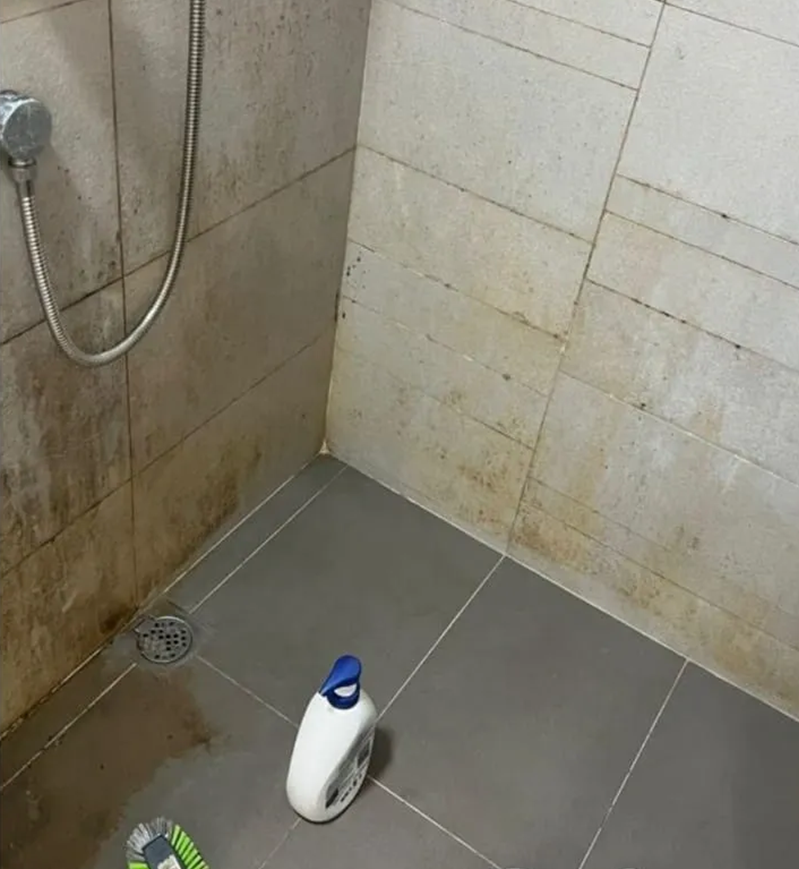
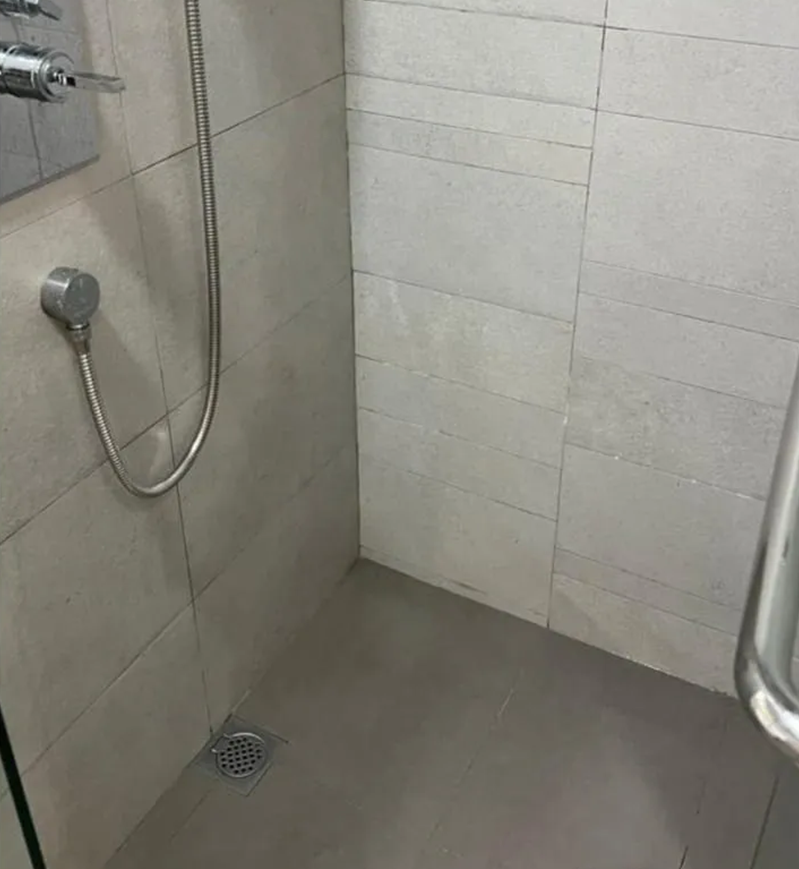
Chemical cleaning after renovation goes far beyond sweeping dust and wiping surfaces. After contractors leave, your Singapore home is coated in cement skim, grout haze, paint splatter, silicone smears and adhesive residue that ordinary detergent simply cannot dissolve. Professional teams apply targeted acidic or alkaline solutions matched to each surface, then neutralise and rinse them so floors, glass and sanitary ware return to a showroom finish without etching or discolouration.
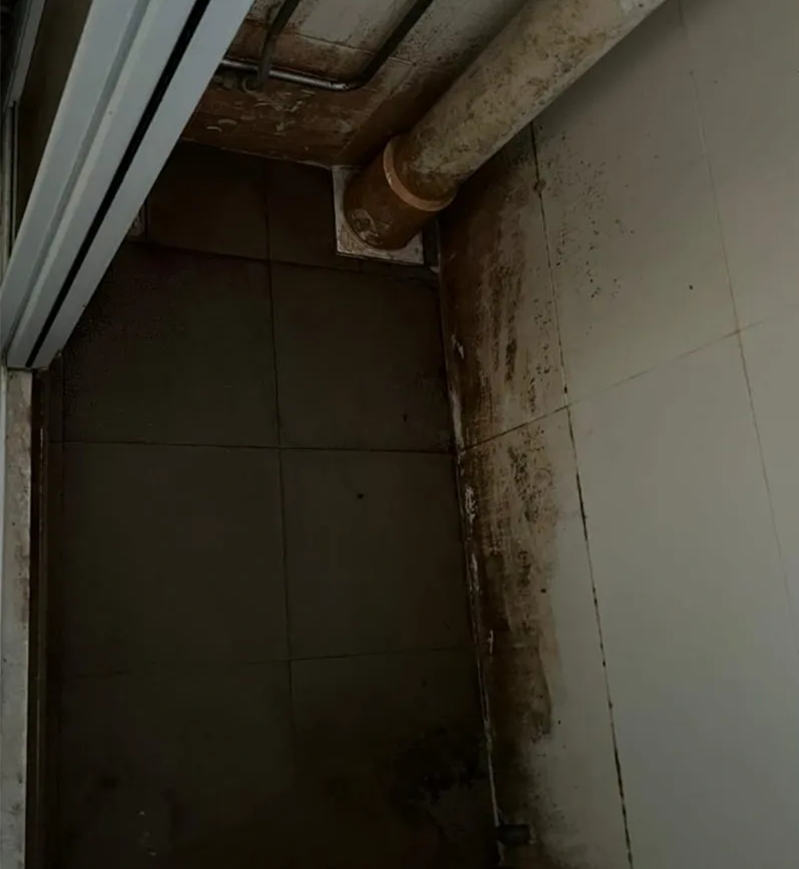
The process is methodical rather than rushed. Crews work top to bottom, treating ceilings and high ledges first so falling debris does not contaminate cleaned floors. A proper chemical wash after renovation also addresses hidden zones such as window tracks, aircon trunking, kitchen cabinet interiors and toilet bowl mineral lines. This systematic approach is why a thorough post-renovation clean takes a trained team several hours rather than a quick afternoon tidy-up.
Why Ordinary Cleaning Falls Short
Cement and tile grout cure into a hard, alkaline film that bonds to porcelain and homogeneous tiles. Water and dish soap only smear it around. Chemical cleaning after renovation uses controlled acidic agents to break that bond, lifting the haze in one pass. Attempting this with household bleach risks streaking, dull patches and damaged grout lines that are costly to redo.
Surfaces That Need Special Care
Marble, natural stone, mirror coatings and powder-coated aluminium react badly to strong acids. A skilled crew tests an inconspicuous spot, dilutes correctly and chooses pH-neutral products where needed. In Singapore's humid climate, leftover residue attracts dust and grows mould fast, so thorough neutralising and drying are just as important as the cleaning chemicals themselves.
- Removal of cement skim and grout haze from floor and wall tiles
- Dissolving paint, varnish and adhesive splatter on glass and frames
- Descaling new sanitary ware, taps and shower screens
- Degreasing freshly installed kitchen cabinets and countertops
Why Chemical Cleaning After Renovation Protects Your Health and Finishes
Newly renovated HDB flats and condos trap a surprising amount of fine construction dust in fabrics, air vents and wall corners. This silica-rich dust irritates the lungs and aggravates asthma, which matters in homes with young children or elderly family members. Chemical cleaning after renovation removes these particles at the source, while neutralising the lingering chemical smell from fresh paint, sealant and adhesives that can take weeks to dissipate on its own.
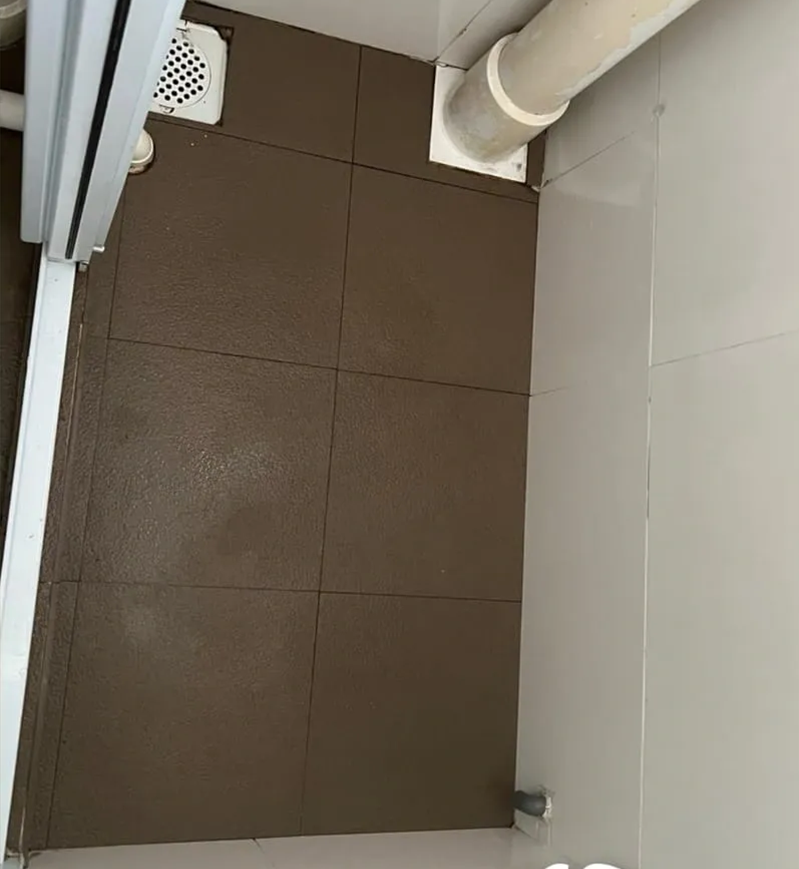
There is also a financial case. Grout haze left on glossy tiles hardens permanently within days and can dull an entire floor you just paid to install. Paint flecks bake onto window glass under Singapore sun and become far harder to remove later. A prompt chemical wash after renovation protects these expensive finishes while they are still easy to restore, preserving the value of your renovation investment.
Tackling Singapore's Humidity and Mould
Our tropical humidity means damp construction residue becomes a breeding ground for mould within days. Bathrooms, kitchen sink areas and aircon ledges are especially vulnerable. Professional crews dry and treat these zones, stopping early mould colonies before they spread into grout and silicone joints where they are very difficult to remove.
Indoor Air Quality for Families
Volatile compounds from new flooring, laminates and paint can linger in an enclosed flat. Combined with HEPA vacuuming and surface degreasing, chemical cleaning after renovation clears settled dust and helps your air clear faster. Many families schedule the clean a few days before moving in so the home is genuinely safe to occupy.
- Eliminates fine silica dust that irritates lungs and airways
- Reduces new-paint and sealant odour before move-in
- Stops early mould growth in humid bathrooms and kitchens
- Preserves glossy tiles, glass and fixtures from permanent staining
The Step-by-Step Chemical Wash After Renovation Process
A reliable Athena crew follows a repeatable sequence so nothing is missed. They begin with a walkthrough to identify problem stains, fragile finishes and the materials installed. Heavy debris is cleared first, followed by HEPA vacuuming of dust from floors, ledges and vents. Only then do targeted cleaning agents go on, surface by surface, so each chemical sits for the right contact time before being agitated and rinsed.
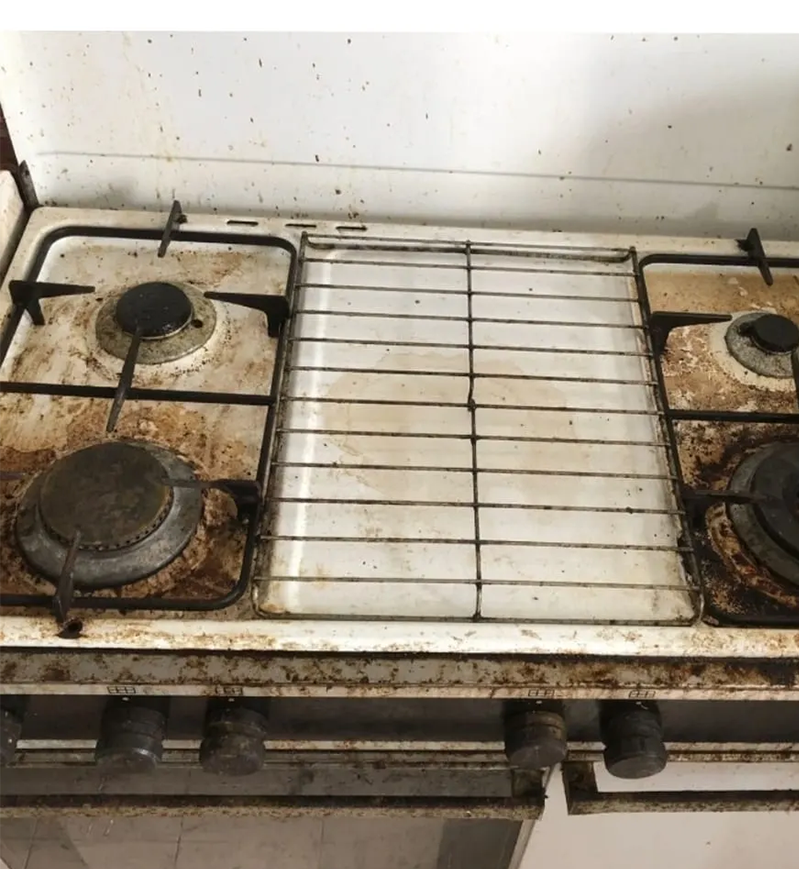
After the chemical wash after renovation lifts the bulk of residue, the team does a detailed second pass on edges, corners, switches and skirting where dust hides. Floors are mopped with neutralising solution, glass is squeegeed streak-free, and the whole unit is dried to suit Singapore's humidity. A final inspection with you ensures every room meets a move-in standard before the crew packs up.
Preparation and Dust Extraction
The first hour focuses on bulk dust. Crews bag leftover offcuts, vacuum cabinet interiors and clear window tracks of grit. Getting dust out before wet cleaning prevents muddy smears and lets the chemicals work directly on bonded residue, which makes the rest of the chemical cleaning after renovation far more effective and efficient.
Treatment, Rinse and Final Check
Acidic agents tackle grout haze, alkaline degreasers handle kitchen grime, and solvents remove adhesive. Each is neutralised and rinsed so no film remains to attract dust later. A joint final walkthrough lets you flag any missed spot, which a professional team will touch up on the same visit at no extra charge.
- Pre-clean walkthrough to map stains and fragile materials
- HEPA vacuuming of dust from floors, vents and cabinets
- Surface-specific chemical treatment with correct contact time
- Neutralising rinse, streak-free glass and final joint inspection
Pricing, Timing and Choosing a Reliable Provider in Singapore
Post-renovation cleaning in Singapore is usually priced by unit size and condition. As a rough guide, a 3-room HDB flat often falls between S$300 and S$450, a 4 to 5-room flat between S$400 and S$600, and condos or landed homes from S$600 upward depending on square footage. Heavy grout haze, multiple bathrooms or extra balconies add to the cost, so an honest provider will assess details before quoting.

Schedule your chemical cleaning after renovation once contractors have fully finished and all fixtures are installed, ideally a few days before move-in. Cleaning too early means a second round after late touch-ups. When choosing a company, look for clear scope, trained crews, proper equipment and transparent pricing. Athena Cleaning Services can be reached at +65 9247 1009 to arrange a site assessment and firm quotation for your home.
What Affects the Final Quote
Unit size, level of residue, number of bathrooms, ceiling height and whether grout haze removal or aircon servicing is included all shift the price. A small studio with light dust costs far less than a landed home full of cement skim. Sharing photos before booking helps you receive an accurate quote rather than a vague estimate.
Questions to Ask Before Booking
Confirm whether the quote covers chemical wash after renovation for grout and glass, how many crew members attend, and if equipment and consumables are included. Ask about guarantees, insurance and touch-up policy. Clear answers signal a professional outfit that will treat your new home and its finishes with proper care.
- 3-room HDB: roughly S$300 to S$450 depending on condition
- 4 to 5-room HDB: roughly S$400 to S$600
- Condos and landed homes: from S$600 upward by floor area
- Add-ons such as grout haze and aircon servicing priced separately
Frequently Asked Questions
How much does chemical cleaning after renovation cost in Singapore?
Prices depend on unit size and condition. A 3-room HDB flat typically costs S$300 to S$450, a 4 to 5-room flat S$400 to S$600, and condos or landed homes from S$600 upward. Heavy grout haze, multiple bathrooms or large balconies add to the total, so request a site assessment for an accurate figure.
How long does a chemical wash after renovation take?
A typical HDB flat takes one trained crew about four to seven hours, while larger condos and landed homes may need a full day or two crews. Timing depends on the amount of cement skim, grout haze and paint residue left behind. A thorough job is never rushed, since contact time for chemicals matters.
When should I book chemical cleaning after renovation?
Book it once your contractor has completely finished and every fixture is installed, ideally three to five days before you move in. Cleaning too early risks dust and touch-ups from late works, forcing a second clean. Scheduling close to move-in gives you a fresh, dust-free home ready to occupy.
Is chemical cleaning safe for marble and natural stone floors?
Yes, when done by trained crews. Strong acids can etch marble and natural stone, so professionals use pH-neutral products and test an inconspicuous area first. Always tell your cleaner which materials are installed. A reputable company adjusts chemicals per surface, protecting delicate finishes while still removing residue effectively.
Can I do a chemical wash after renovation myself?
Light dusting is manageable, but grout haze and bonded cement need controlled acidic agents and proper neutralising. Household bleach often streaks tiles or damages grout, and fumes are hazardous in an enclosed flat. For glossy finishes and new fixtures, professional chemical cleaning after renovation protects your investment and saves costly repairs.
What does chemical cleaning after renovation include?
It includes removing cement skim and grout haze, dissolving paint and adhesive on glass, descaling new sanitary ware, degreasing kitchen cabinets, HEPA vacuuming construction dust, and a neutralising rinse. Crews also clean window tracks, ledges and switches. A final walkthrough ensures every room meets a move-in standard before they leave.