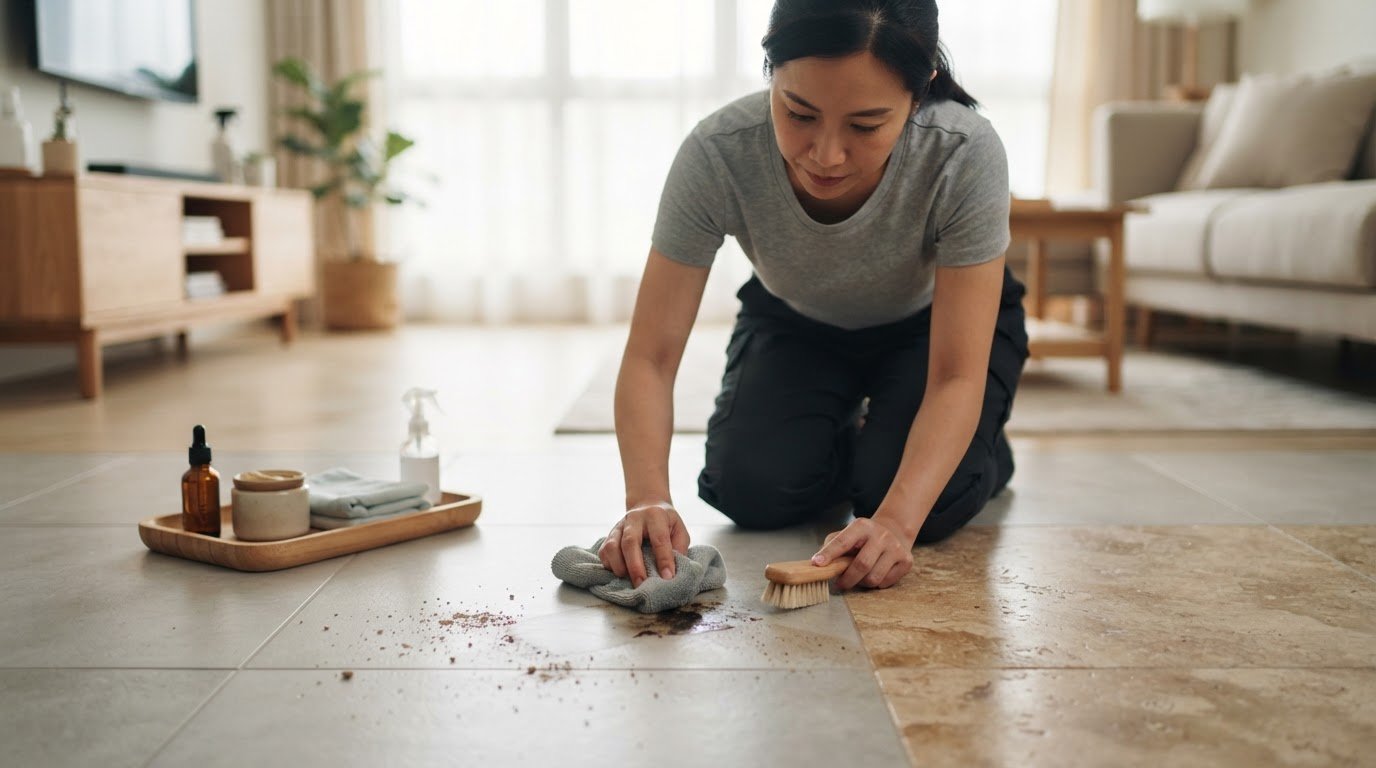

Common Parquet Flooring Problems: Causes, Signs, and Solutions
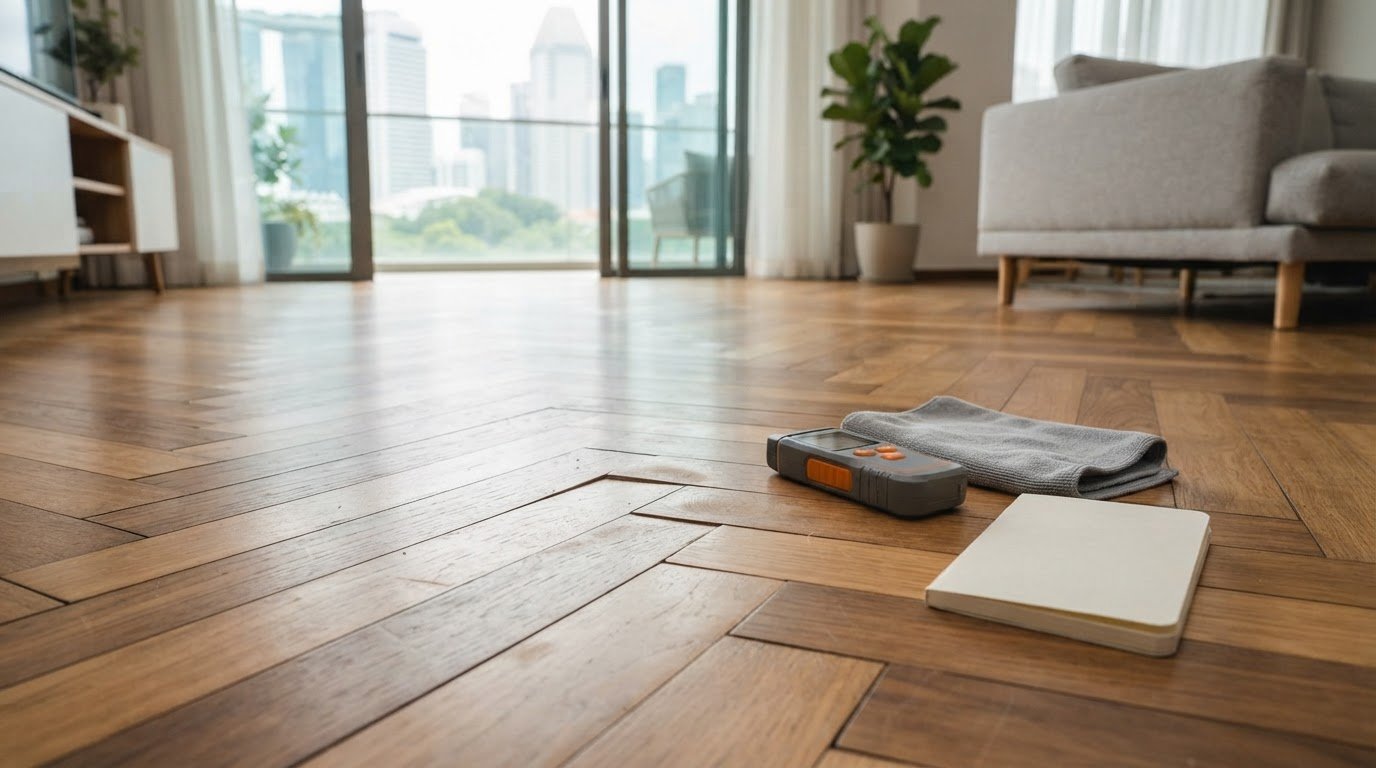
In this article
- Key Takeaways
- Table of Contents
- Common Parquet Flooring Problems: What the Signs Can Tell You
- Why Parquet Flooring Problems Develop: Moisture, Wear, and Movement
- Parquet Floor Damage or Finish Wear? Compare the Signs Before Acting
- What to Do About Common Parquet Flooring Problems at Home
- Choosing the Right Parquet Floor Maintenance Next Step
- Make Your Next Parquet Floor Decision with Confidence
- Frequently Asked Questions
The most visible mark on a parquet floor isn’t always the problem that needs the most attention. A scratch may affect only the finish, while a loose block, swelling or widening gap could point to moisture or movement beneath the surface. If you’ve spotted a change, it’s understandable to wonder what’s causing it and whether a quick DIY fix might make things worse. These common parquet flooring problems can look similar at first, but their causes and sensible next steps differ.
This guide will help you recognise the signs, understand what may be happening and choose low-risk actions while avoiding repairs that could extend the damage. You’ll learn when to monitor a surface blemish, when moisture or movement calls for closer assessment, and why sanding or re-gluing blocks without understanding the cause can be risky.
We’ll also explain when parquet polishing or varnishing may refresh a worn finish, and why these maintenance options don’t automatically resolve structural problems. Start by assessing the symptoms before choosing a fix, so you can protect your floor and make a considered decision.
Key Takeaways
- Learn to spot common parquet flooring problems, from surface scratches and fading to raised, gapped or noisy blocks.
- Consider moisture, everyday wear, sunlight and installation issues as possible causes instead of assuming every symptom has the same fix.
- Compare the visible signs with the likely floor layer affected to choose a measured next step without diagnosing damage by appearance alone.
- Blot spills promptly, clean gently and document changes before attempting any intervention.
- Understand when parquet polishing or varnishing may suit finish wear, and why these options don’t address every structural concern.
Common Parquet Flooring Problems: What the Signs Can Tell You
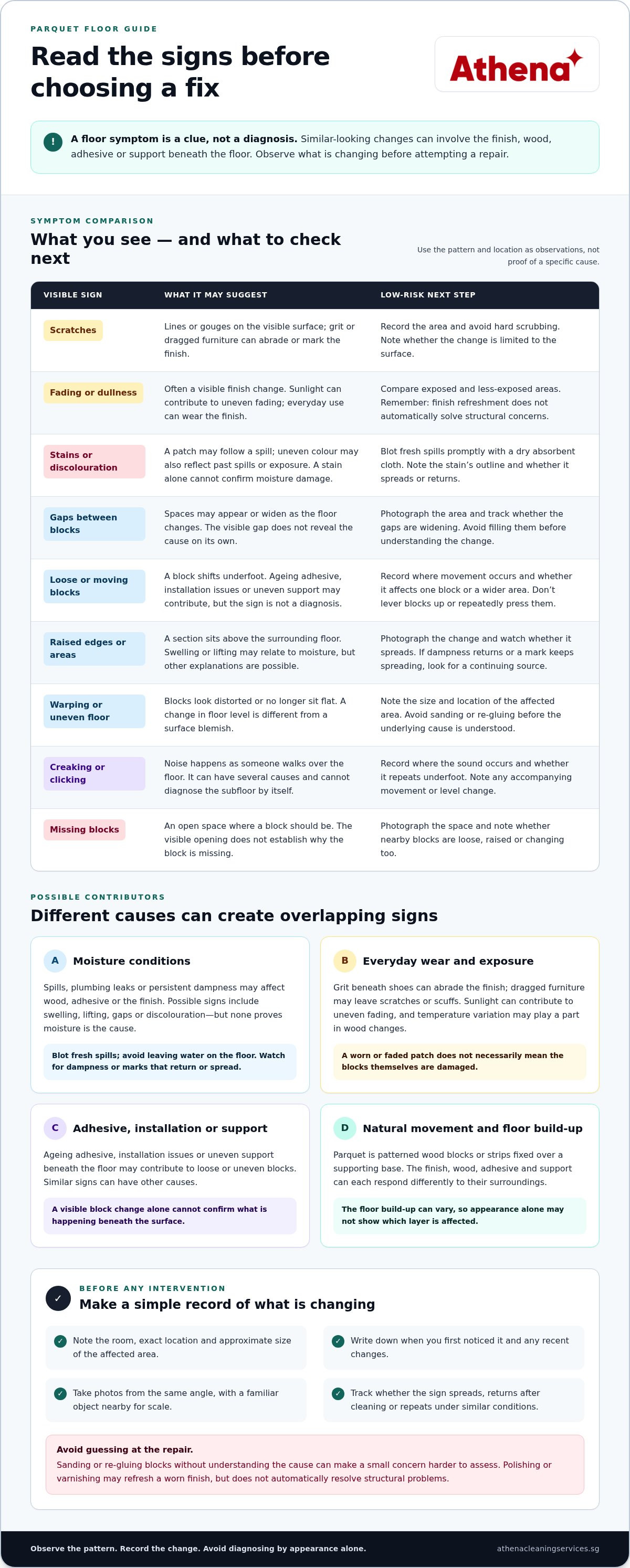
A visible defect doesn’t automatically mean the whole parquet floor needs replacing. A mark in the finish, a shifted block and a change across a broad area can look equally worrying, but they may involve different parts of the floor. Parquet is made from wood blocks or strips arranged in a pattern; the Parquet flooring overview provides useful background on this distinctive construction. Start by recording what you can see and whether it is changing.
- Missing blocks: An open space where a block should be.
- Loose blocks: A block shifts or moves underfoot.
- Gaps: Spaces appear between blocks or become wider.
- Raised areas: Edges or sections sit above the surrounding floor.
- Scratches: Lines or gouges mark the surface.
- Stains: A patch differs in colour from the surrounding wood.
- Fading: The finish or wood looks lighter in exposed areas.
- Noise: Creaking or clicking happens as someone walks over the floor.
- Warping: Blocks look distorted or no longer sit flat.
A floor symptom is a clue, not a diagnosis. It can help you decide what to observe next, but appearance alone can’t confirm the cause or show whether the supporting base is affected.
Make a simple record before cleaning or moving furniture. Note the room and exact location, the approximate size of the affected area, when you first noticed it, and any recent changes. Take a photo from the same angle each time, with a familiar object nearby for scale. Record whether the sign returns after cleaning or under similar conditions. This gives you a clearer comparison than relying on memory.
How to recognise loose blocks, gaps, and uneven parquet
Look for a block that shifts underfoot, an edge that catches the light or feels raised, or gaps that seem to be widening. One isolated loose block is different from several blocks moving or a larger area becoming uneven. Neither pattern proves a particular cause, so avoid pressing repeatedly, levering up a block or filling gaps before you understand what has changed. Photograph the area and track whether the affected section spreads.
What scratches, stains, fading, and noise may indicate
Scratches, dullness and fading usually appear as changes on the visible surface. A change in block position or floor level is a different sign to record. A stain may follow the shape of a spill, while uneven discolouration can show where exposure or past spills occurred. Note the outline and location rather than scrubbing hard. Recurring creaks or clicks can have several causes, including movement at the surface, and can’t by themselves diagnose the subfloor. Record where the sound occurs and whether it repeats underfoot.
These details help distinguish a surface change from a broader movement pattern without assuming one symptom tells the whole story. For common parquet flooring problems, careful observation is a sensible first step: it preserves useful information and reduces the risk of making a small concern harder to assess.
Why Parquet Flooring Problems Develop: Moisture, Wear, and Movement
Parquet is formed from patterned wood blocks or strips fixed over a supporting base, though the exact floor build-up can vary. The visible surface is only one part of the system: the finish, wood, adhesive and support may each respond differently to their surroundings. As a result, common parquet flooring problems can have more than one possible cause. A stain, raised edge or loose block is a useful clue, but it can’t confirm what is happening beneath the surface.
Parquet movement is a change in the floor’s position or shape that may involve the wood, moisture conditions or the support beneath it. That distinction matters. Similar-looking symptoms can have different causes, so avoid choosing a repair based on appearance alone.
How moisture can affect parquet blocks and finishes
Spills, plumbing leaks or persistent dampness may affect the wood, the adhesive holding blocks in place or the surface finish. Depending on the source and extent, possible signs include swelling, lifting, gaps or discolouration. None proves moisture is the cause by itself. A dark patch could relate to a past spill, while a raised area may have another explanation.
Blot fresh spills promptly with a dry absorbent cloth, and avoid leaving water on the floor. If dampness returns or a mark keeps spreading, look for a continuing source rather than repeatedly cleaning the surface. In Singapore’s humid conditions, careful moisture management is especially relevant, but the visible floor alone may not show where moisture is coming from.
How age, foot traffic, and floor support contribute
Everyday use gradually affects parquet. Grit beneath shoes can abrade the finish, while dragging furniture may leave scratches or scuffs. Sunlight can contribute to uneven fading, and temperature variation may play a part in changes to wood. These factors can overlap, so a worn patch doesn’t necessarily indicate damage to the blocks themselves.
Loose or uneven blocks may have a different explanation. Ageing adhesive, installation issues or uneven support beneath the floor could contribute, but the same sign may have other causes. Preparation matters: a base that wasn’t suitably level or dry, or insufficient allowance for natural movement, may increase the risk of later problems. The National Wood Flooring Association technical standards offer industry guidance on wood flooring practices, including installation and maintenance.
Consider the pattern as well as the individual mark. A single scuffed area where people walk most may point to surface wear; several blocks becoming loose or uneven across a wider section deserve closer assessment. If the change recurs or spreads, an assessment may help identify the underlying cause. Polishing may be relevant to appearance and finish wear, but it won’t establish or resolve a support or moisture issue by itself. For visible wear, explore parquet floor polishing as a floor-maintenance option.
Parquet Floor Damage or Finish Wear? Compare the Signs Before Acting
A worn-looking parquet floor doesn’t always need the same response as a floor with shifting blocks. Before choosing a treatment, compare the visible sign with the part of the floor that may be involved. This isn’t a remote diagnosis: a surface photo or brief description can’t confirm what’s happening beneath the finish. Use the guide below to organise what you’ve noticed and decide whether the concern appears cosmetic or needs closer assessment.
| Visible sign | Possible layer affected | Sensible next action |
|---|---|---|
| Dullness, light scratches or fading without movement | Surface finish or visible wood | Note the area and pattern. Consider whether parquet polishing or varnishing may be suitable after assessing the floor’s condition. |
| One block shifts, clicks or sits slightly proud | Block, adhesive or its immediate support | Record its location and whether movement recurs. Don’t force it down or apply a surface treatment as a fix. |
| Discolouration returns or spreads, especially with recurring dampness | Finish, wood, adhesive or potentially the supporting base | Blot fresh moisture and look into an ongoing source. Seek closer assessment if the sign persists or worsens. |
| Unevenness across a wider area, or repeated lifting | Multiple blocks or the supporting floor beneath them | Document the extent and progression. Arrange an assessment before deciding on treatment. |
When a parquet problem appears mainly cosmetic
Dullness, light surface scratches and fading may point to wear in the finish or a change in appearance, especially if the blocks remain level and stable. In these cases, parquet polishing or varnishing may be relevant as floor maintenance. Suitability depends on the existing finish and the floor’s overall condition, so don’t assume one treatment fits every surface. The aim is to match the maintenance to the floor, not simply make a mark less visible.
When loose, raised, or spreading damage needs assessment
Movement, repeated lifting, broad unevenness or signs of recurring moisture deserve closer attention. They may involve the blocks, adhesive, moisture or supporting base, and the visible surface alone can’t identify which. Avoid pressing raised blocks into place or concealing a damp area with polish or varnish. A surface treatment addresses maintenance needs, not necessarily the cause of movement or moisture.
Polishing can help with appropriate appearance and finish concerns, but it can’t correct every parquet problem. Varnishing relates to renewing or protecting the finish; it doesn’t automatically secure loose blocks or resolve uneven support. Structural repair, sanding or replacement shouldn’t be selected from a symptom alone. The floor material, existing finish and condition all matter, and an unsuitable intervention may complicate the next steps.
Use the comparison as a guide, not a verdict. If the sign is stable and limited to the finish, maintenance may be worth considering. If it moves, returns, spreads or affects the floor level, pause before applying products or attempting repairs. For common parquet flooring problems, the most sensible choice starts with distinguishing surface wear from signs that may involve deeper layers.
What to Do About Common Parquet Flooring Problems at Home
A careful first response can limit further wear and preserve useful clues about what’s happening. Avoid rushing into a repair: first record the change, then take low-risk steps to protect the floor. If a block is moving or a damp patch keeps returning, don’t treat it as a surface-only concern.
First-response checklist:
- Document the sign. Note where it is, how large it looks and whether it changes.
- Blot fresh moisture. Use an absorbent cloth and remove standing liquid promptly.
- Reduce further wear. Keep grit, dragging furniture and unnecessary foot traffic away from the affected area.
- Assess before treating. If the problem recurs, spreads or involves movement, seek a closer floor assessment.
Keep the immediate response simple. Don’t pry up a block, force a raised area down or pour a cleaning solution over a stain. Those actions can damage the surface or obscure signs that may help explain the problem. If you suspect an active leak, address the source rather than covering the affected area with a rug or surface treatment.
Low-risk steps for a fresh spill or surface mark
Blot liquid gently with an absorbent cloth; rubbing can spread it or abrade the finish. For routine cleaning, use a dry or lightly damp approach rather than soaking parquet. Choose only a floor-care product suitable for the known finish, and avoid untested chemicals or household mixtures. If a stain remains or changes after careful cleaning, photograph it and note what was spilled, if known, instead of scrubbing harder.
Everyday habits that help prevent recurring problems
Place entrance mats where they can catch grit, and use protective pads beneath furniture to reduce scratches from everyday movement. Lift furniture when repositioning it rather than dragging it across the floor. Keep routine cleaning gentle and avoid leaving water behind. Also pay attention to repeated dampness, strong direct sunlight on one area or any change in block movement. A brief note of when and where changes appear can help you spot a recurring concern.
These steps can help protect the floor while you decide what attention it needs; they aren’t a substitute for assessing persistent movement, moisture or unevenness. If the finish looks worn but the blocks remain stable, specialist maintenance may be worth considering. Arrange parquet floor polishing to explore a suitable maintenance option for your floor.
Choosing the Right Parquet Floor Maintenance Next Step
Choose the next step by separating what you can see from what you can reasonably infer. A dull finish or light surface wear may call for a maintenance assessment; a block that moves, an area that keeps lifting or signs of recurring moisture may involve more than appearance. These common parquet flooring problems don’t all have the same cause, so avoid treating a structural sign as though it were only a cosmetic flaw.
A practical decision sequence is:
- Identify the symptom. Is it a change in the finish, a stain, block movement or unevenness?
- Consider possible causes. Note whether it’s isolated, recurring, spreading or associated with moisture.
- Match the response to the concern. Consider floor maintenance for finish wear, and seek closer assessment for movement or broader changes.
This approach helps prevent a surface treatment from hiding a concern that needs a different kind of attention. Polishing and varnishing are floor-maintenance options, not universal fixes for loose or warped blocks. If the cause remains uncertain, pause before applying products or attempting a repair.
When parquet polishing or varnishing may be appropriate
Dullness or a worn appearance may be a reason to assess the floor’s finish. Polishing and varnishing are distinct maintenance approaches, and neither should be assumed suitable without considering the floor’s condition and existing finish. A careful assessment helps guide the choice of treatment and distinguish finish wear from block movement or other signs that may need a different response.
Keep expectations measured. The right maintenance choice depends on the surface in front of you, not just the name of the symptom. A finish that looks tired may be suitable for maintenance, while a floor with lifting or uneven blocks shouldn’t be treated as a finish-only issue. Addressing appearance and understanding the floor’s condition are related, but they aren’t the same task.
A careful next step with Athena Team Cleaning
Athena Team Cleaning provides parquet floor polishing and parquet varnishing as specialist floor-maintenance services. These options may suit needs relating to the finish or appearance of the floor. They don’t automatically resolve the cause of loose, raised or warped blocks, so keep signs of movement or recurring moisture distinct from routine finish maintenance.
Start with the symptom, consider what may be contributing to it, and choose a response that fits the floor’s condition. This measured approach supports informed maintenance and helps you care for the space without rushing into an unsuitable treatment. If parquet polishing is the right next step for your floor, Explore Athena Team Cleaning's parquet floor polishing service.
Make Your Next Parquet Floor Decision with Confidence
A parquet floor is part of the character of a home or workplace, so changes can feel unsettling. You don’t need to decide on a major intervention at the first sign of wear. Start by noting what has changed, keeping a record and choosing the next step based on the floor’s condition rather than worry alone. That measured approach helps you care for the space without rushing into a treatment that may not suit it.
For common parquet flooring problems, the most useful distinction is whether the concern relates to the finish or to movement and moisture. Athena Team Cleaning offers parquet floor polishing and parquet varnishing for floor-maintenance needs. These options can support a considered approach to appearance and finish, while structural signs call for separate attention rather than being treated as cosmetic.
If parquet polishing may be the right maintenance step for your floor, Explore Athena Team Cleaning's parquet floor polishing service. With careful observation and a suitable maintenance choice, you can move forward with greater confidence and continue enjoying a well-cared-for space.
Frequently Asked Questions
What are the most common parquet flooring problems?
Common parquet flooring problems include loose or missing blocks, gaps, uneven areas, scratches, stains, fading, dullness, noise and warping. These are visible symptoms, not diagnoses. For example, a gap that appears seasonally may differ from one that steadily widens, while a stain confined to a small patch may have a different history from broad discolouration. Note the pattern, location and any changes over time to give the signs useful context.
Why is my parquet flooring coming loose?
Loose parquet blocks can result from moisture, ageing adhesive, movement or an issue with the supporting surface, and one block alone can’t identify which cause applies. Check whether nearby blocks are affected and whether the looseness is changing. Don’t pry the block up or force it back into position. Photograph it, keep the area free of standing water, and address any active moisture source before deciding what the floor needs.
Can water damage parquet flooring?
Yes, moisture can affect parquet’s wood blocks, adhesive or finish, although the outcome depends on the exposure and how the floor is constructed. Blot a fresh spill promptly rather than letting it sit, and don’t add more water while cleaning. If dampness keeps returning, or lifting or discolouration spreads, look beyond the surface. A finish treatment may improve appearance, but it may not address a continuing moisture source.
How do I know if parquet flooring needs repair or polishing?
Dullness, fading or light scratches may relate mainly to the finish, while a block that shifts, a raised edge or unevenness spreading across the floor may involve more than appearance. These signs can guide your next step but can’t confirm the cause. Polishing and varnishing are maintenance options for the finish, not fixes for every block, adhesive or moisture issue. If the floor moves or changes over time, have its condition assessed before treatment.
Can I fix loose parquet blocks myself?
It’s safer not to remove a loose block, apply untested adhesive or cover a damp patch before understanding what’s happening. Pulling at one block could affect its neighbours, and an adhesive may not suit the floor or resolve the underlying cause. Instead, photograph the area, note whether movement recurs and keep it dry. If more blocks become loose or the affected section grows, arrange an assessment before attempting a repair.
How should I clean parquet flooring without causing damage?
Use gentle cleaning suited to the floor’s existing finish, and avoid soaking the surface or leaving water behind. For instance, pick up grit before wiping so it’s less likely to scratch the finish, and blot a drink spill rather than spreading it with a wet mop. Mats near entrances and protective pads under furniture can help limit abrasion. If a mark persists after careful cleaning, avoid stronger chemicals or abrasive tools.
Does Singapore’s humid climate affect parquet flooring?
Changes in moisture and temperature can contribute to wood movement, but humidity alone can’t explain a particular gap or raised block. The floor’s materials, installation and indoor conditions also matter. Monitor whether a change appears during damp periods, near a leak or in a specific part of the room, and record any progression. Respond promptly to spills or leaks, but avoid trying to correct movement with a surface treatment alone.
Frequently Asked Questions
What are the most common parquet flooring problems?
Why is my parquet flooring coming loose?
Can water damage parquet flooring?
How do I know if parquet flooring needs repair or polishing?
Can I fix loose parquet blocks myself?
How should I clean parquet flooring without causing damage?
Does Singapore’s humid climate affect parquet flooring?
Related articles