

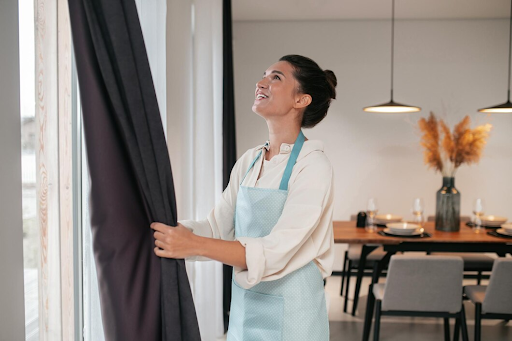
Curtains do more than enhance the look of your home—they act as a protective barrier, trapping dust, allergens, and pollutants. In Singapore’s warm and humid climate, curtains also attract mould, bacteria, and unpleasant odours, making them a hidden contributor to poor indoor air quality. Despite this, many homeowners overlook curtain maintenance, allowing dust and allergens to accumulate over time.
Neglecting curtain cleaning can lead to respiratory issues, allergies, and skin irritations, especially for those with sensitivities. While machine washing or vacuuming may provide surface-level cleaning, they are often insufficient in removing deep-seated dirt and bacteria. This is why curtain dry cleaning in Singapore is the best solution.
Unlike conventional washing, dry cleaning preserves the fabric’s texture, colour, and lifespan while effectively eliminating allergens, dust mites, and tough stains. Athena Team Cleaning Services specialises in curtain cleaning in Singapore, offering professional, hassle-free services to keep your home fresh, hygienic, and free from harmful pollutants.
Why Curtain Cleaning Is Essential for a Healthier Home
Curtains serve as more than just decorative elements; they are passive air filters, constantly trapping dust, allergens, and airborne pollutants. Over time, these contaminants accumulate, leading to a variety of health and hygiene concerns. Without regular maintenance, curtains can become a breeding ground for bacteria, mould, and dust mites, significantly affecting the indoor environment.
What Happens When Curtains Are Not Cleaned Regularly?
- Accumulation of Dust and Allergens:
- Curtains collect airborne dust, pollen, and pet dander, which can trigger allergies and asthma.
- Dust mites, microscopic organisms that thrive in fabric, can cause skin irritation and respiratory issues.
- Mould and Mildew Growth:
- Singapore’s humid climate creates ideal conditions for mould and mildew to develop on curtains, especially near windows where moisture accumulates.
- Mould spores can spread through the air, leading to sinus infections, headaches, and respiratory illnesses.
- Increased Respiratory Issues:
- Poorly maintained curtains release trapped pollutants back into the air whenever they are touched or moved.
- Individuals with asthma, bronchitis, or other respiratory conditions may experience worsening symptoms.
- Persistent Odours:
- Curtains absorb and retain odours from cooking, smoking, and outdoor pollution.
- Stale or musty smells develop when fabric fibres are not cleaned for long periods.
- Deterioration of Fabric Quality:
- Embedded dirt and grease weaken curtain fibres, causing premature wear and tear.
- Exposure to pollutants can lead to fading, discolouration, and stiffness in the fabric.
Who Should Prioritise Regular Curtain Cleaning?
- Families with young children – Infants and toddlers are more vulnerable to allergens and bacteria.
- Individuals with respiratory conditions – People with asthma, bronchitis, or sinus issues are at higher risk.
- Homes with pets – Pet hair and dander accumulate in curtain fabric, leading to increased allergen exposure.
- Households near busy roads or construction sites – Traffic pollution and dust easily settle on curtains.
- People with allergies – Regular cleaning helps prevent sneezing, itchy eyes, and congestion.
The Best Solution: Professional Curtain Dry Cleaning
- Removes deep-seated dirt and bacteria using solvent-based cleaning methods.
- Prevents fabric damage that often occurs with machine washing.
- Effectively eliminates allergens and mould, promoting a healthier indoor space.
- Restores freshness to curtains, leaving them smelling clean and odour-free.
Opting for curtain dry cleaning in Singapore helps homeowners enhance air quality, safeguard their health, and prolong the lifespan of their curtains.
How Curtains Affect Indoor Air Quality
Indoor air pollution is a growing concern, especially in urban areas. Many people assume their homes are safe from pollution, but indoor air can be two to five times more polluted than outdoor air, according to the Environmental Protection Agency (EPA). Curtains play a major role in this, as they act as filters that collect airborne particles over time.
How Do Curtains Contribute to Poor Air Quality?
- Trap and Release Dust Particles:
- Every time curtains are moved—whether opening, closing, or shaking—trapped dust and pollutants become airborne.
- This creates “dust clouds” that worsen air quality and trigger allergies.
- Absorb Volatile Organic Compounds (VOCs):
- Household cleaning products, synthetic air fresheners, and paint release VOCs, which cling to curtain fabrics.
- Long-term exposure to VOCs can cause headaches, dizziness, and even long-term respiratory conditions.
- Retain Pet Hair and Dander:
- Homes with pets often have increased levels of hair, dander, and microscopic allergens trapped in curtains.
- These particles circulate in the air, aggravating allergies and respiratory issues.
- Hold Cooking and Tobacco Smoke Residue:
- Curtains absorb cooking fumes, smoke, and grease particles, which contribute to poor air quality.
- Tobacco smoke residue can linger in fabric for months, continuously releasing harmful chemicals into the air.
- Harbour Mould Spores and Bacteria:
- High humidity encourages fungal growth, leading to musty-smelling curtains and airborne mould spores.
- These spores can cause coughing, sneezing, and skin irritations, especially in individuals with weakened immune systems.
The Impact of Dirty Curtains on Health
Short-Term Effects:
- Increased sneezing, coughing, and runny nose.
- Watery or itchy eyes due to allergens.
- Unpleasant smells lingering in the room.
Long-Term Effects:
- Increased risk of chronic respiratory issues.
- Worsening of asthma and allergy symptoms.
- Build-up of bacteria and harmful pollutants, affecting overall well-being.
How Curtain Dry Cleaning Improves Air Quality
- Removes embedded pollutants and dust, preventing them from recirculating into the air.
- Kills bacteria, mould, and dust mites, ensuring a healthier indoor environment.
- Eliminates trapped odours, leaving curtains fresh and breathable.
- Prevents further dust accumulation, extending the time between cleanings.
Curtain Dry Cleaning vs. Traditional Washing: Which Is Better?
Many homeowners believe that machine washing or hand washing curtains is sufficient for regular maintenance. However, not all cleaning methods are equal, and improper washing can lead to fabric damage, shrinkage, and incomplete dirt removal. Understanding the differences between curtain dry cleaning and traditional washing helps in choosing the best cleaning approach for long-term fabric care.
- Cleaning Effectiveness
- Dry Cleaning:
- Uses solvent-based cleaning to dissolve stubborn stains, grease, and embedded dirt without excessive moisture.
- More effective in removing bacteria, allergens, and pollutants that settle deep within fabric fibres.
- Ideal for delicate and heavy curtains that cannot withstand water-based washing.
- Machine Washing:
- Cleans surface-level dust but struggles to remove embedded allergens and stains.
- Detergents and water may not be strong enough to break down grease and odours.
- Suitable for lightweight, machine-washable curtains but not recommended for delicate or structured fabrics.
- Hand Washing:
- Requires soaking, scrubbing, and manual rinsing, which can be labour-intensive.
- Often does not provide a deep clean, as hand washing cannot reach deep-seated bacteria and mould.
- Risk of fabric distortion, excessive wrinkling, or fading due to harsh scrubbing.
- Steam Cleaning:
- Helps in refreshing curtains and removing surface dust and odours, but does not clean as deeply as dry cleaning.
- Cannot remove stains, grease, or heavy dirt buildup.
- Fabric Safety and Protection
- Dry Cleaning:
- Uses solvent-based cleaning instead of water, preventing shrinkage, warping, or colour bleeding.
- Preserves fabric strength and texture, making it suitable for delicate and luxury materials.
- No harsh agitation—curtains maintain their original shape and drape.
- Machine Washing:
- High risk of fabric shrinkage and colour fading, especially for cotton, linen, or mixed-fibre curtains.
- Detergents can weaken delicate fibres over time.
- Heavy curtains may lose their structured appearance, affecting aesthetics.
- Hand Washing:
- Less abrasive than machine washing but still poses risks of shrinkage and uneven cleaning.
- Drying takes longer, increasing the chances of mould growth if not dried properly.
- Stain and Odour Removal
- Dry Cleaning:
- Solvents break down grease, smoke residue, food stains, and strong odours.
- Highly effective for pet dander, pollen, and airborne pollutants.
- Machine Washing:
- Detergents may not be strong enough to remove deep-set stains and lingering odours.
- Fabric softeners mask odours but do not fully eliminate bacteria.
- Hand Washing:
- Difficult to remove deep stains without aggressive scrubbing, which may damage fabric.
- May require multiple washes for heavily soiled curtains.
- Convenience and Time Efficiency
- Dry Cleaning:
- Hassle-free process—professional services handle pickup, cleaning, and delivery.
- No need for homeowners to remove, wash, dry, and rehang heavy curtains.
- Faster drying time, as no water is involved.
- Machine Washing:
- Requires removal, washing, drying, ironing, and rehanging, which is time-consuming.
- Drying large curtains takes longer, increasing the risk of mould growth.
- Hand Washing:
- Labour-intensive and impractical for large or heavy curtains.
- Requires careful wringing and drying, increasing maintenance effort.
- Cost Comparison
- Dry Cleaning:
- Higher initial cost but extends the lifespan of curtains, making it cost-effective long-term.
- Saves money by preventing fabric damage, shrinkage, or the need for frequent curtain replacements.
- Machine Washing & Hand Washing:
- Lower upfront cost but higher risk of curtain damage, leading to frequent replacements.
- Costs increase if curtains need to be rewashed due to poor stain removal.
Below is a summary of the differences of different cleaning methods:
| Cleaning Method | Effectiveness | Risk of Damage | Convenience | Stain & Allergen Removal |
| Dry Cleaning | Deep cleans and sanitises | Low (fabric-safe solvents) | High (professional service) | Excellent (removes bacteria and allergens) |
| Machine Washing | Surface-level cleaning | High (shrinkage, fading) | Moderate (manual effort required) | Limited (some stains remain) |
| Hand Washing | Mild cleaning effect | Medium (water damage possible) | Low (labour-intensive) | Poor (ineffective for deep cleaning) |
| Steam Cleaning | Surface dust removal | Low | High | Moderate |
Final Verdict: Why Dry Cleaning is the Best Choice
✅ Preserves fabric integrity—no shrinkage, colour fading, or weakening.
✅ Removes deep-seated dirt, bacteria, and allergens, improving indoor air quality.
✅ Eliminates odours and tough stains better than water-based washing.
✅ Saves time and effort, with professional handling and fast drying.
For homeowners in Singapore looking for a reliable and efficient curtain cleaning method, curtain dry cleaning in Singapore is the superior option.
Why Are Some Curtains Dry Clean Only?
Not all curtains can be machine-washed or hand-washed, as some fabrics are too delicate, structured, or prone to water damage.
- Delicate Fabrics Prone to Water Damage
Some fabrics are sensitive to water, detergents, and excessive friction, causing shrinkage, distortion, or fading when washed traditionally.
- Silk & Velvet:
- Absorbs water easily, leading to stiffness, shrinkage, or a rough texture.
- Velvet can lose its plush feel if exposed to water.
- Linen & Wool:
- Prone to shrinkage and creasing, which is difficult to reverse.
- Wool-based curtains may lose their softness when washed with water.
- Heavy Drapery & Blackout Curtains:
- Structured fabrics with built-in linings may warp, curl, or separate when wet.
- Water exposure weakens adhesive coatings used in blackout curtains.
- Risk of Colour Bleeding and Fading
Certain dyes used in curtain fabrics fade, run, or bleed when exposed to water-based washing methods.
- Dark-coloured, printed, or multi-tone curtains are especially at risk of colour bleeding.
- Dry cleaning locks in colour vibrancy, maintaining a new, fresh look for longer.
- Fabric Warping and Structural Distortion
Curtains with pleats, embroidery, or embellishments require dry cleaning to prevent loss of shape and detailing.
- Pleated curtains and structured drapes may lose their crisp appearance if washed incorrectly.
- Embroidered curtains with delicate stitching may loosen or unravel with water exposure.
- Risk of Excessive Wrinkling and Difficult Ironing
- Hand-washed or machine-washed curtains often require extensive ironing to remove deep creases.
- Dry cleaning minimises wrinkles by using gentle solvents instead of harsh water agitation.
- Longer Fabric Lifespan
Curtains marked as “dry clean only” are often premium-quality fabrics designed for long-term use. Regular machine washing or hand washing shortens fabric life, making dry cleaning the best option.
How to Identify Dry Clean Only Curtains?
Check the care label for specific washing instructions. If you see:
✅ “Dry Clean Only” – Use professional curtain dry cleaning in Singapore.
✅ “Hand Wash Cold” – May be gently washed but at your own risk.
✅ No label? – When in doubt, opt for dry cleaning to prevent fabric damage.
Final Thoughts: Why Choose Professional Dry Cleaning?
✅ Maintains curtain texture, colour, and structure.
✅ Prevents fabric weakening and water damage.
✅ Ensures deep cleaning without risks of shrinkage or fading.
For those with delicate, high-quality, or structured curtains, professional curtain dry cleaning in Singapore ensures long-lasting freshness, hygiene, and beauty.
Signs Your Curtains Need Professional Cleaning
Curtains are often overlooked when it comes to household cleaning, but they play a significant role in maintaining indoor air quality and home aesthetics. Over time, they collect dust, allergens, and pollutants, which can affect both health and appearance. If you notice any of the following signs, it’s time to schedule professional curtain dry cleaning in Singapore.
- Visible Dust and Dirt Accumulation
- When you shake your curtains, do you see a cloud of dust?
- Dust buildup is a sign that curtains are overdue for cleaning.
- Prolonged exposure to dust can cause discolouration and fabric deterioration.
- Musty or Unpleasant Odours
- Curtains absorb household odours from cooking, smoke, pets, and humidity.
- A musty smell is a strong indication of mould and bacteria growth in fabric fibres.
- Regular curtain cleaning in Singapore ensures fresh-smelling curtains and a cleaner home environment.
- Increased Allergy Symptoms
- Do you or your family members experience:
- Sneezing, itchy eyes, or runny nose?
- Worsened asthma or respiratory conditions?
- Dust mites, pollen, and pet dander trapped in curtains can trigger allergic reactions and breathing difficulties.
- Stains and Spots That Won’t Go Away
- Curtains are exposed to grease, food stains, smoke, and moisture over time.
- Water stains or yellowish patches indicate moisture damage.
- DIY washing may not fully remove deep-seated stains, but professional curtain dry cleaning in Singapore can.
- Fading or Discolouration
- Exposure to sunlight, dust, and pollutants causes curtains to fade and lose vibrancy.
- Uneven colour patches suggest long-term dust accumulation or chemical exposure.
- Dry cleaning restores fabric freshness without damaging colours.
- Stiff, Rough, or Heavy Fabric Texture
- Over time, dust, moisture, and grime make curtain fabrics feel stiff or heavy.
- Fabric stiffness is a sign of deep-seated dirt buildup that regular vacuuming cannot fix.
- Professional dry cleaning restores softness while maintaining curtain integrity.
How Often Should You Dry Clean Your Curtains?
The frequency of curtain cleaning depends on various factors, including your home environment, exposure to pollutants, and household habits. Here’s a guide to determine how often you should schedule curtain dry cleaning in Singapore.
Every 3-6 Months – High Exposure Environments
Ideal for homes that are more exposed to pollution, dust, and allergens, including:
- Homes near main roads or construction sites (higher dust accumulation).
- Households with pets (pet hair, dander, and odours get trapped in fabrics).
- Families with allergy sufferers or respiratory conditions (asthma, sinus issues).
- Indoor spaces with frequent cooking, leading to grease and smoke buildup.
Every 6-12 Months – Moderate Exposure Environments
Recommended for homes that experience moderate dust exposure, such as:
- Apartments or homes not directly exposed to high pollution levels.
- Households with no pets or smokers.
- Homes with air purifiers or dehumidifiers that help maintain indoor air quality.
- Commercial spaces like offices or meeting rooms with minimal human traffic.
Immediately After Home Renovations or Moving In
- Construction dust and debris settle deep into curtain fibres.
- Paint and chemical fumes stick to curtain fabric, affecting air quality.
- Cleaning before moving in ensures a fresh and hygienic start in your new home.
Before Hosting Special Events or Guests
- Clean, fresh curtains enhance the appearance of your home.
- Eliminates lingering odours, dust, and stains, creating a more welcoming space.
- Ideal for festive seasons, celebrations, or important gatherings.
Regular curtain cleaning in Singapore not only improves hygiene but also extends the life of your curtains, keeping them fresh and beautiful for years to come.
Choosing the Right Curtain Cleaning Company in Singapore
With many cleaning services available, selecting the right curtain cleaning provider ensures quality results, fabric safety, and convenience. Here’s what to look for when choosing a professional cleaning company in Singapore.
- Experience and Specialisation in Curtain Cleaning
- A reputable company should have years of experience handling different curtain fabrics.
- They should understand how to clean delicate materials like silk, linen, or blackout curtains without causing damage.
- Look for companies that use advanced cleaning technology and follow proper dry-cleaning methods.
- Eco-Friendly Cleaning Solutions
- Many cleaning services use harsh chemicals that can leave behind toxic residues.
- Choose a company that uses non-toxic, eco-friendly solvents to protect your family and the environment.
- Eco-friendly cleaning is particularly important for households with children, pets, or allergy sufferers.
- Convenient Pickup and Delivery Services
- Removing and rehanging curtains can be a hassle, especially for large or heavy drapes.
- Professional curtain cleaning in Singapore should include pickup and delivery services for added convenience.
- This saves time and ensures curtains are handled properly from start to finish.
- Transparent Pricing and No Hidden Costs
- Some companies charge extra fees for stain removal or delivery, so always check for transparent pricing.
- Request a clear quotation upfront to avoid surprises.
- The price should reflect both quality and efficiency.
- Positive Customer Reviews and Testimonials
- Online reviews and testimonials reflect the reliability of a company.
- Look for customer feedback on:
- Cleaning quality
- Turnaround time
- Customer service experience
- A company with a strong reputation ensures trustworthy service.
Athena Team Cleaning Services: Your Trusted Curtain Cleaning Partner
Athena Team Cleaning Services provides expert curtain dry cleaning in Singapore, ensuring your home stays fresh, hygienic, and allergen-free. Our services cater to both residential and commercial clients who demand high-quality cleaning solutions.
Why Choose Athena Team Cleaning?
- Specialised Fabric Care – We handle delicate and premium fabrics with precision.
- Deep Cleaning & Allergen Removal – Our cleaning process eliminates dust mites, bacteria, and pollutants.
- Eco-Friendly Solutions – Safe for children, pets, and sensitive individuals.
- Pickup & Delivery Service – Hassle-free service from collection to rehanging.
- Affordable Pricing – Competitive rates with no hidden charges.
Who Do We Serve?
🏠 Residential Homes
Keep your home fresh and free from allergens with regular curtain dry cleaning in Singapore.
🏢 Offices & Commercial Spaces
Maintain a clean, professional environment with sanitised, dust-free curtains.
🎭 Hotels & Event Venues
Ensure pristine curtain cleanliness for hotel rooms, banquet halls, and conference spaces.
Revitalise Your Home with Our Expert Curtain Cleaning Services!
Over time, curtains trap dust, allergens, and odours, affecting both indoor air quality and the overall freshness of your home. With our professional curtain dry cleaning in Singapore, we thoroughly remove dirt and bacteria while preserving the fabric’s texture and colour.
At Athena Team Cleaning Services, we offer a hassle-free experience with expert cleaning, stain removal, and convenient pickup and delivery. Enjoy cleaner, healthier curtains without the effort—schedule your professional curtain cleaning today!