
Electrostatic Spray Disinfection in Singapore: What It Does and When It Helps
In this article
- Key Takeaways
- Table of Contents
- What Is Electrostatic Spray Disinfection in Singapore?
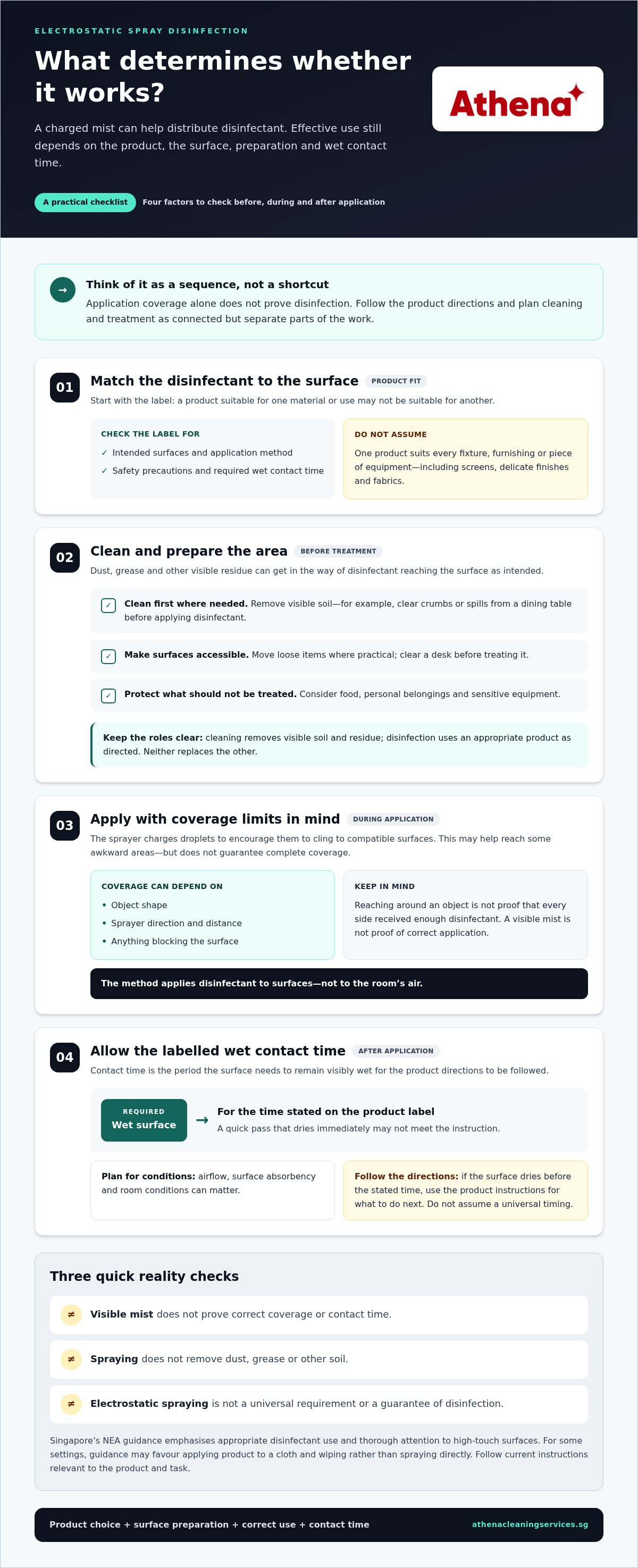
- What Determines Whether Electrostatic Disinfection Works?
- Electrostatic Spraying vs. Wiping: Which Application Fits the Space?
- How to Prepare a Singapore Home or Workplace for Disinfection
- Plan Thorough Sanitization with Athena Team Cleaning
- Make Your Next Cleaning Plan Count
- Frequently Asked Questions
What if a disinfectant mist can reach more surfaces, yet still leave questions about whether those surfaces were properly disinfected? That’s why electrostatic spray disinfection singapore searches should lead to more than a promise of coverage. The method gives droplets an electrical charge to help them cling to surfaces, but coverage alone doesn’t show that the disinfectant was used correctly or stayed wet for the required contact time.
It’s reasonable to ask whether spraying is more thorough than wiping, or whether misting simply makes a space look treated. The answer depends on the surfaces, the product instructions and how cleaning is planned. Singapore’s NEA guidance emphasises appropriate disinfectant use and thorough attention to high-touch surfaces, rather than treating electrostatic spraying as a universal solution.
This guide explains how electrostatic spraying works, what affects its performance and where its limits matter. You’ll also learn how it differs from fogging, what preparation and follow-up to consider, and how to plan disinfection for a home, office or shared commercial space.
Key Takeaways
- Learn what the electrical charge changes about disinfectant application, and why spraying alone isn’t a complete disinfection plan.
- For electrostatic spray disinfection singapore, assess the surfaces and product instructions rather than treating a misted appearance as proof of coverage.
- Compare spraying and wiping based on the surfaces, access and needs of your space. The methods can complement each other.
- Prepare your home or workplace by clearing or protecting food, personal belongings and sensitive equipment as appropriate.
- Plan sanitization around the space, surface types and schedule as part of a coordinated residential or commercial cleaning approach.
What Is Electrostatic Spray Disinfection in Singapore?
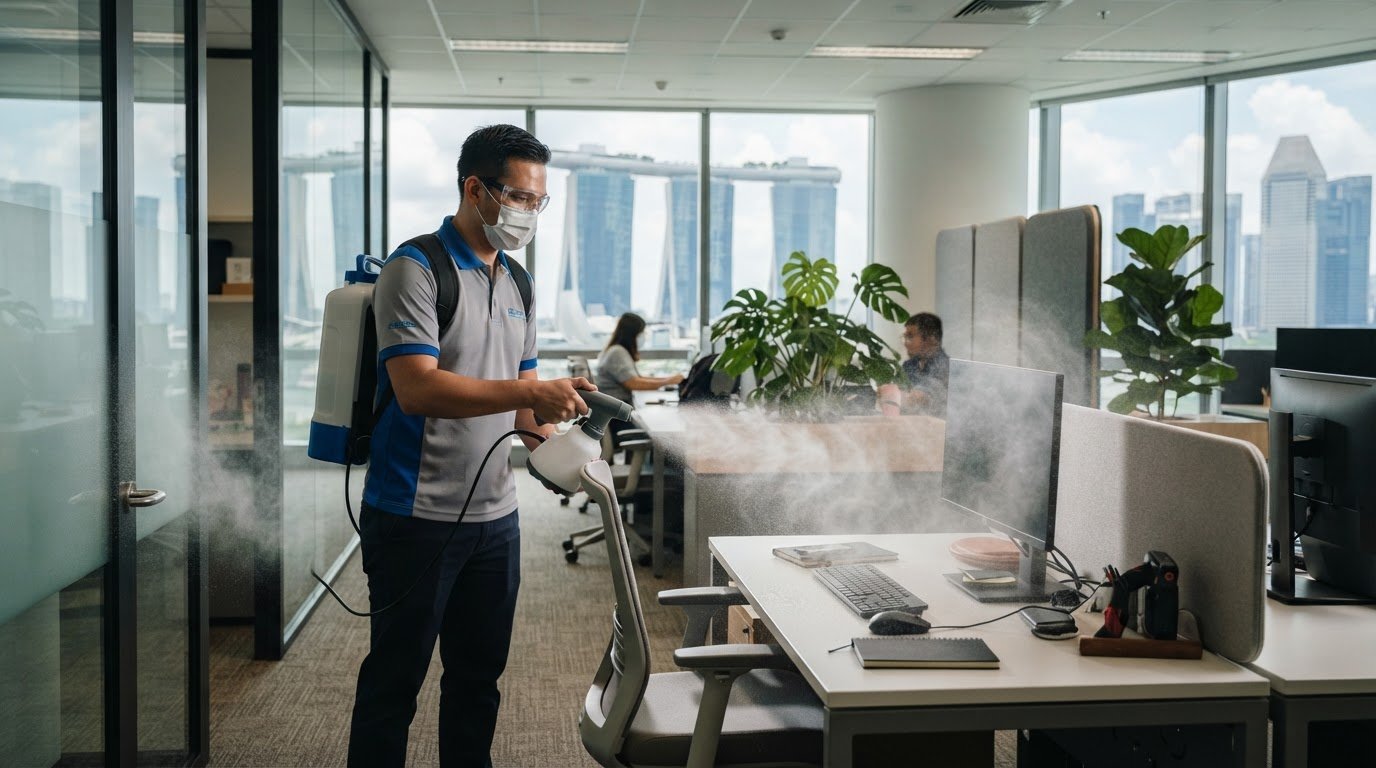
Electrostatic spraying is a way to apply disinfectant to surfaces. The sprayer gives droplets an electrical charge intended to help them attract to and adhere to suitable surfaces. This may help apply product to awkward-to-reach areas, but it doesn’t guarantee that every side of every object receives enough disinfectant.
In brief: electrostatic spraying is an application technology that charges disinfectant droplets. The product’s active ingredients, correct use and contact with the surface determine its role in disinfection.
The distinction matters. A sprayer dispenses a product; it doesn’t remove dust, grease or other soil, and spraying alone doesn’t prove a surface has been disinfected. For a considered electrostatic spray disinfection singapore plan, treat application and cleaning as connected but separate parts of the work.
How does an electrostatic sprayer apply disinfectant?
As charged droplets leave the sprayer, their charge is intended to encourage them to cling to compatible surfaces. This may help distribute product around suitable objects, including some edges and less accessible areas. Results still depend on the object’s shape, the sprayer’s direction and distance, and whether anything blocks the surface. Reaching around an object isn’t the same as proving complete coverage.
The method applies disinfectant to surfaces, not to the room’s air. Droplets settling on a desk or chair aren’t evidence that airborne contaminants have been treated. A visible mist also doesn’t prove that a surface received the right amount of product or stayed wet for the time required by its label.
What does electrostatic spraying disinfect, and what does it not?
What can be treated depends on whether the disinfectant is suitable for the surface and used under the conditions stated on its label. A product intended for one material or use may not be appropriate for another. Check the instructions for application, surface compatibility, safety precautions and required wet contact time. Don’t assume one product or procedure suits every fixture, furnishing or piece of equipment.
Cleanliness and disinfection describe different outcomes. Cleaning removes visible soil and residue. Disinfection uses an appropriate product to address microbes on a surface when used as directed. A surface can look clean without having been disinfected, while applying disinfectant over visible grime may undermine the intended result. Where soil is present, include cleaning in the plan rather than expecting the spray to do both jobs.
Singapore’s NEA guidance emphasises using disinfectant according to directions and giving high-touch surfaces thorough attention. It doesn’t make electrostatic spraying a universal requirement or a guarantee of disinfection. For some settings, guidance may favour applying product to a cloth and wiping rather than spraying directly. Follow current instructions relevant to the product and task, and don’t interpret any application method as making a space sterile or preventing every infection.
What Determines Whether Electrostatic Disinfection Works?
A charged droplet can help distribute disinfectant, but the application method is only one part of the outcome. The product must suit the surface, be applied as directed and remain wet for the contact time on its label. If a surface dries too soon, is blocked from application or still has soil on it, the treatment may not follow the product’s intended use.
Practical takeaway: application coverage doesn’t prove effective disinfection. Product choice, surface preparation, correct use and contact time all matter. Spraying should be part of a considered cleaning plan, not a substitute for one.
Why cleaning and surface preparation still matter
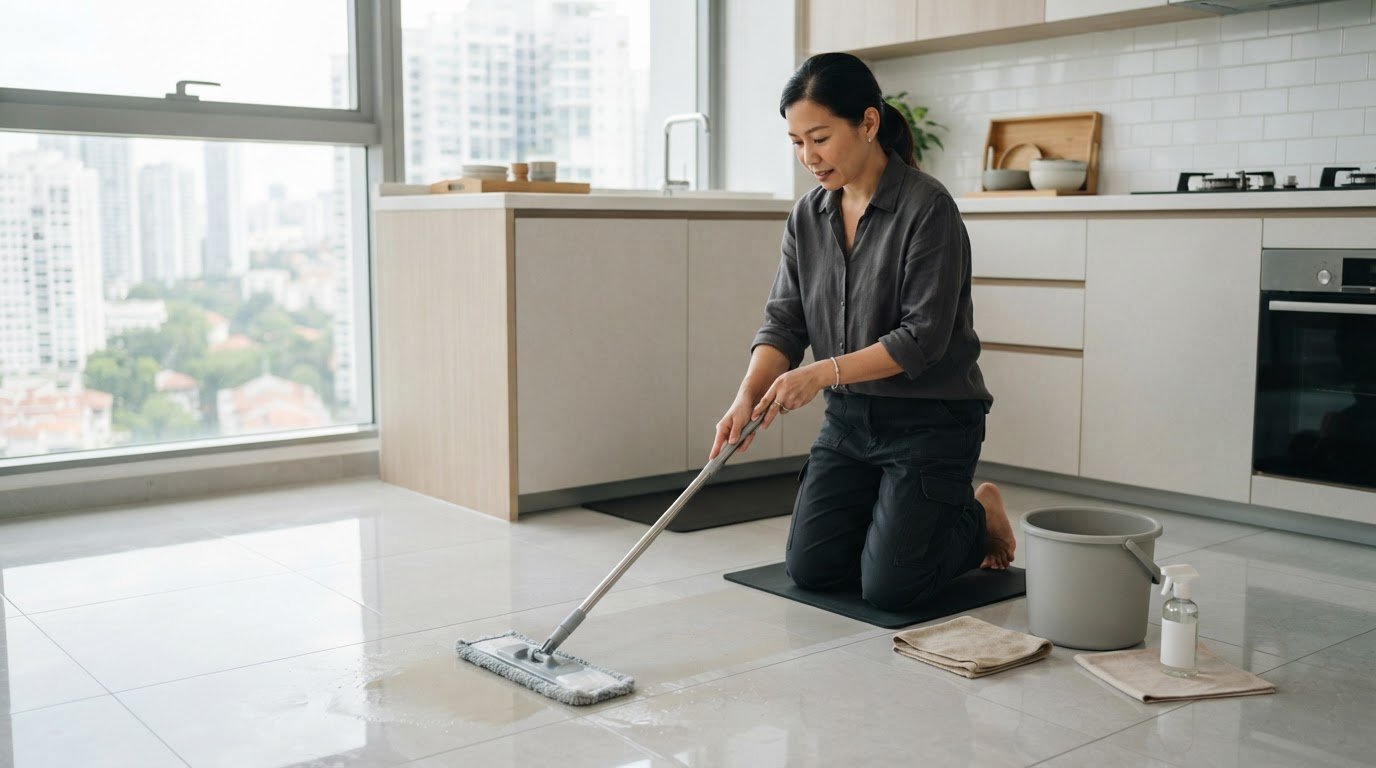
Dust, grease and other visible residue can get in the way of disinfectant reaching the surface as intended. Clean first where needed, then apply disinfectant according to its label. In a workspace, that may mean clearing a desk before treating it. At home, it could mean removing crumbs or spills from a dining table first.
Preparation also makes surfaces easier to reach. Move loose items where practical, and protect food, personal belongings and anything that shouldn’t be treated. Routine cleaning handles everyday dirt and upkeep; targeted sanitization or disinfection has a particular purpose and should be planned around the surfaces and areas involved. Neither replaces the other.
How disinfectant choice and contact time affect results
Read the product label before use. It identifies intended surfaces, application methods, precautions and required wet contact time. Directions can differ between products, and material compatibility matters: a product suitable for one hard surface may not be suitable for an electronic screen, delicate finish or fabric. Don’t assume a general-purpose disinfectant is appropriate everywhere.
Contact time is the period the surface needs to remain visibly wet for the product directions to be followed. A quick pass that dries immediately may not meet that instruction. Consider airflow, surface absorbency and room conditions when planning the task, but don’t assume a universal timing or reapply more often than the label directs. If the surface dries before the stated time, follow the product instructions for what to do next.
Before treatment, make a simple surface list. Note which areas need cleaning first, which require disinfection, and which items need to be moved or protected. This helps distinguish accessible high-touch points, such as handles and shared work surfaces, from objects that need a different approach. It also avoids treating a whole room uniformly when its surfaces and uses differ.
For homes and workplaces, a well-planned electrostatic spray disinfection singapore approach accounts for the task, surfaces and product directions, not just the sprayer’s reach. Athena Team Cleaning’s residential and commercial cleaning can bring cleaning and sanitization together in a plan shaped around the space and its needs.
Electrostatic Spraying vs. Wiping: Which Application Fits the Space?
Choose between spraying and wiping based on the task, not on a claim that one method is always better. A furnished room, busy office and shared facility have different surfaces, access needs and patterns of use. A suitable plan may use one method for some areas and another for touchpoints or visible soil.
Use this comparison to see what each approach can contribute. In either case, the disinfectant must suit the surface and be used according to its label.
| Consideration | Electrostatic spraying | Wiping |
|---|---|---|
| Reach | May help apply product to multiple exposed surfaces and some contours, but blocked or hidden areas can remain untreated. | Reaches areas a person can access directly with a cloth, allowing deliberate attention to individual surfaces. |
| Surface contact | Droplets settle on surfaces; coverage and wet contact time still depend on application and product directions. | A cloth makes direct contact with the surface and can lift visible soil when used for cleaning. |
| Suitability | May suit a planned application across suitable, accessible surfaces in a furnished space. | Useful for visible dirt, specific touchpoints and surfaces that need direct attention, if the product label permits wiping. |
| Practical planning | Plan access, clear or protect items, and allow surfaces to meet label directions. | Plan methodical surface-by-surface work and use clean cloths to avoid transferring soil between areas. |
When might electrostatic application be useful?
In a larger or furnished space, applying product across several exposed surfaces may be practical. Think of an office with desks, chair backs and shared fixtures, or a home with multiple accessible furnishings. The method still depends on clear access, compatible surfaces and correct product use. Don’t assume that items behind closed doors, beneath objects or blocked by furniture have been treated.
When is direct wiping still important?
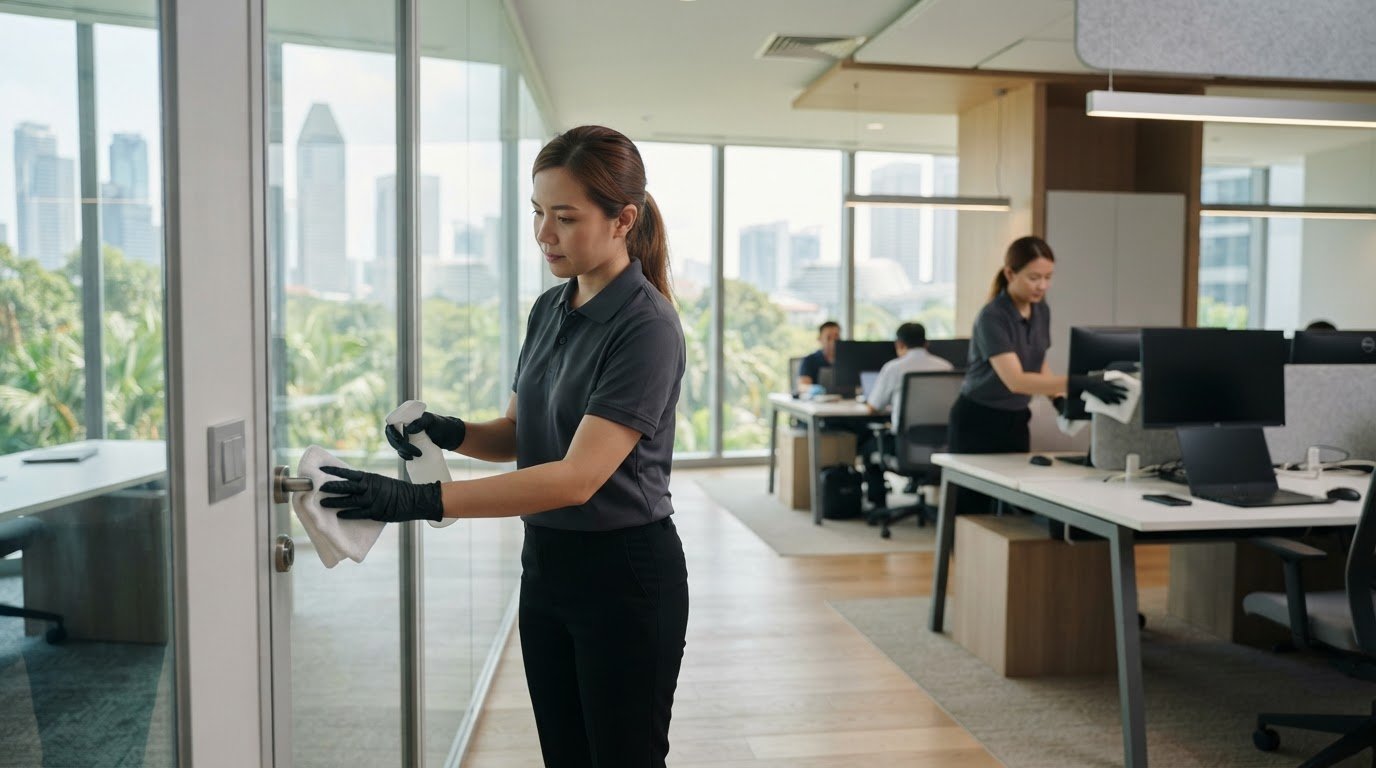
Wiping gives direct attention to a particular surface, which is useful when visible residue needs removal or a frequently touched point needs deliberate treatment. Singapore’s NEA guidance recommends applying disinfectant to a cloth before wiping to avoid splashes. Follow the product directions and consider the material, since not every surface suits every product or method.
In practice, a planned sequence can combine approaches: clean visible soil, then disinfect selected surfaces using a method suited to the product and material. At home, that might mean wiping a visibly soiled dining surface and separately planning treatment for accessible furnishings. In shared workplaces, focus on high-use touchpoints as well as broader exposed surfaces. The plan should reflect how the space is used.
For electrostatic spray disinfection singapore, judge the approach by whether it fits the space and task, not by mist or equipment alone. Spraying and wiping are options within a wider sanitization plan, not universal substitutes for one another.
How to Prepare a Singapore Home or Workplace for Disinfection
Good preparation makes a disinfection task more organised and gives the team clear access to the agreed areas. In a home, office or shared commercial space, plan around who uses the room, which surfaces need attention and how long the area may need to remain undisturbed. Set out the intended scope and access arrangements before work begins.
What to do before a disinfection service
Start with the surfaces and items in the treatment area. Clear access to agreed spaces and commonly touched surfaces, and flag delicate finishes, sensitive equipment or other items that need special handling. Preparing a home will differ from preparing a shared office, so focus on what’s actually in the space instead of applying a one-size-fits-all checklist.
- Agree on the areas. Identify rooms, shared zones and priority surfaces, and clear access routes. In an office, consider meeting rooms and shared equipment. At home, consider the rooms and furnishings included in the task.
- Secure items. Put away or protect food, utensils, personal belongings and anything that shouldn’t be treated. Follow product or service instructions for sensitive equipment, and don’t assume electronics or delicate materials can be treated like ordinary hard surfaces.
- Plan people and timing. Arrange for occupants, staff or visitors to stay clear of work areas as directed. In shared premises, consider room bookings, operating hours and access to common areas so the work can be planned with minimal disruption.
When arranging the work, share relevant surface sensitivities and access needs. A clear brief helps define what’s included and how the task fits the space. If you’re assessing cleaning arrangements more broadly, the professional cleaning company buyer’s guide offers related planning considerations.
What to expect during and after treatment
During the work, follow the instructions for the task, including where occupants should wait and which areas to avoid. Afterward, use the product label or service instructions for re-entry and ventilation. Don’t wipe treated surfaces prematurely if that would interrupt the required wet contact time. Once that time has passed, follow the stated directions for further handling.
Before resuming normal use, check that room-specific instructions have been followed and that protected items are ready to return. In a workplace, communicate relevant guidance to staff who use shared areas. At home, make sure household members know which surfaces or rooms are still subject to instructions. This follow-through supports an orderly return without assuming every surface has identical requirements.
For coordinated residential or commercial cleaning and sanitization, plan your cleaning and sanitization service around the space, access needs and schedule.
Plan Thorough Sanitization with Athena Team Cleaning
Professional sanitization works best as part of a considered cleaning plan, not as a stand-alone promise about an application method. Athena Team Cleaning serves residential and commercial customers in Singapore, with sanitization alongside cleaning and building maintenance. A practical plan starts with the purpose of the task, then accounts for the space, surfaces and timing that suits the people who use it.
That distinction is useful if you’re researching electrostatic spray disinfection singapore. Understanding the method can help you plan, but the practical goal is a clean, well-maintained environment with work matched to your needs. A service plan should identify the areas that need attention and how cleaning and sanitization fit together, without assuming the same approach suits every room.
A considered approach for homes and commercial spaces
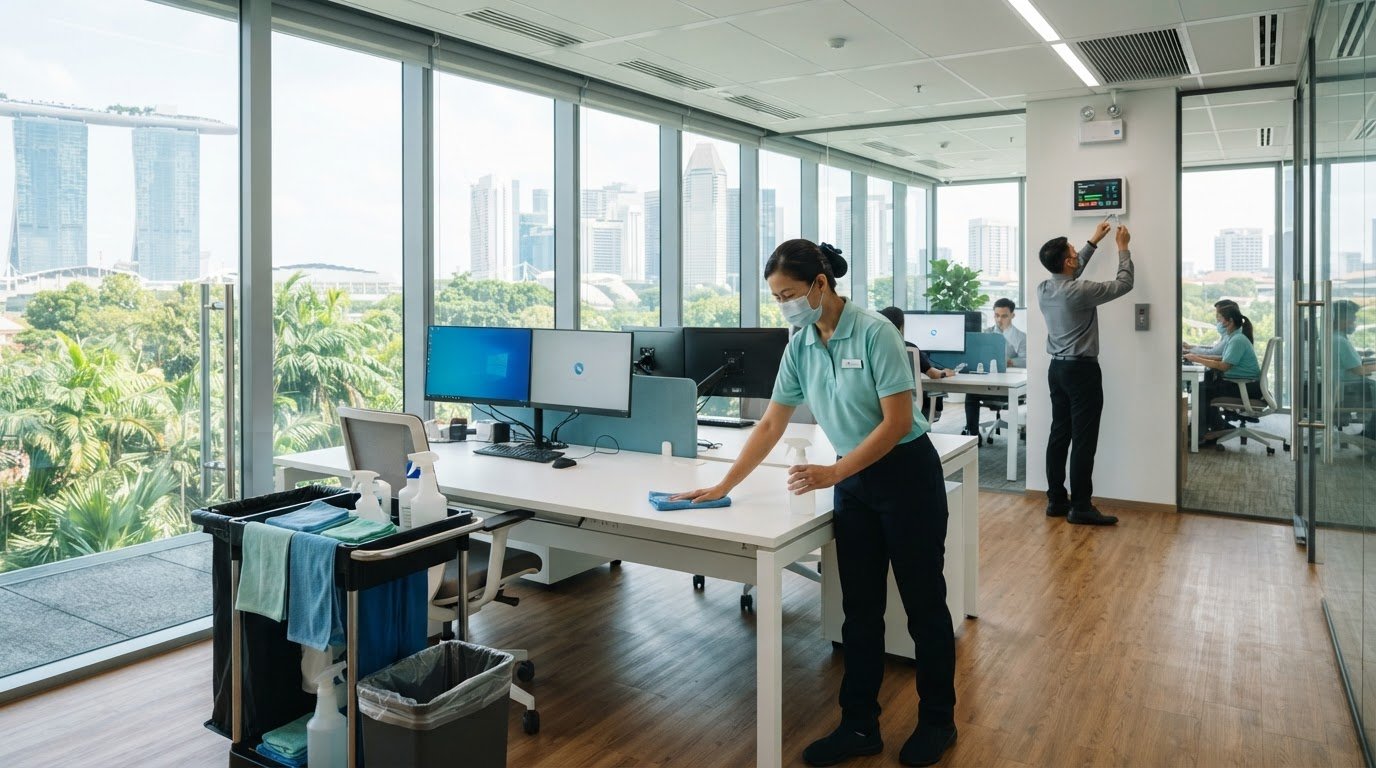
Homes, offices and shared commercial spaces have different rhythms. A household may prioritise frequently used rooms and surfaces, while an office may need a plan for workstations, meeting areas and shared facilities. In a commercial setting, common areas and the flow of people through the space can shape which tasks matter most. Athena Team Cleaning tailors cleaning and sanitization to the site’s needs and planned scope.
Flexible scheduling can help coordinate work around how a space is used. Share access requirements, priority areas and practical timing constraints when arranging the service. This gives the plan a useful foundation, whether you’re organising care for a home or coordinating cleaning for a workplace.
- Define the task. Identify whether the priority is routine cleaning, targeted sanitization or a combination.
- Describe the space. Note the rooms, shared areas and surface types that need attention.
- Plan around use. Consider who needs access and when the work can be scheduled with minimal disruption.
Take the next step toward a cleaner environment
A well-matched plan considers more than the application method. It connects the task with the surfaces, access needs and schedule, making the work more organised and manageable. Clear priorities also distinguish everyday cleaning from focused sanitization, so the service can be shaped around what matters in your space.
For a home or workplace, Athena Team Cleaning can plan residential or commercial cleaning and sanitization around the site’s needs. Request a quote for a suitable cleaning and sanitization plan and take a considered step toward a cleaner environment.
Make Your Next Cleaning Plan Count
Choose your next step by defining what you want the space to feel and function like after the work is done. A clear priority, whether it’s a more orderly home or a better-maintained workplace, helps shape a practical service plan. Keep the focus on the task and the needs of the people who use the space.
If you’re considering electrostatic spray disinfection singapore, use what you’ve learned to make an informed plan rather than assuming one application method suits every surface. Athena Team Cleaning can help you plan a suitable cleaning or sanitization approach for your space.
Request a cleaning or sanitization quote and take a positive next step toward a space that feels fresh, cared for and ready for everyday use.
Frequently Asked Questions
Is electrostatic spray disinfection safe around people and pets?
Safety depends on the disinfectant, how it’s applied and the product’s precautions. Keep people and pets out of the treatment area during application unless the label specifically says otherwise, and follow the stated re-entry instructions. Put away pet bowls, toys and bedding, along with food and utensils. Don’t assume a room is ready for use simply because surfaces look dry; follow the product or service guidance.
Can electrostatic spraying disinfect electronics?
Don’t spray electronics directly unless the product instructions explicitly allow it and the device’s care guidance supports that method. Moisture can reach openings such as ports, keyboards or ventilation slots, so devices may need to be moved or protected during treatment. For a shared office monitor or control panel, check the manufacturer’s cleaning guidance and use a compatible approach instead of applying disinfectant indiscriminately.
Does electrostatic spray disinfection leave residue?
It can, depending on the product, how much is applied and the surface being treated. Some formulations may leave a visible film or feel different after drying, while others may not be noticeable. Follow label directions on whether rinsing or wiping is needed, especially on food-contact surfaces. Don’t wipe a treated surface before the required contact time has passed unless the instructions direct you to do so.
Can electrostatic spraying damage delicate surfaces?
Yes, an unsuitable product or application can affect certain finishes or materials. Before treatment, identify delicate surfaces such as coated displays, polished finishes or sensitive furnishings, then check product and manufacturer instructions for compatibility. Don’t assume a product is safe because it suits another surface. If the label permits, test an inconspicuous area first; otherwise, protect the item and use a compatible cleaning method.
How long should a room remain unused after disinfection?
There isn’t one re-entry time that applies to every product or room. Follow the disinfectant label and any site-specific service instructions for re-entry and ventilation. Directions may depend on the product and how it’s used, so don’t estimate from smell or apparent dryness alone. If a room is shared, make sure everyone who uses it knows when it can be occupied again.
How often should a home or office receive disinfection?
There’s no universal schedule. Set the frequency according to how the space is used, which surfaces are shared and the purpose of the task. A home with occasional visitors may have different priorities from an office with frequently used shared equipment. Keep routine cleaning consistent, then plan targeted disinfection when the situation calls for it, following product directions rather than assuming more frequent treatment is always better.
Frequently Asked Questions
How does an electrostatic sprayer apply disinfectant?
What does electrostatic spraying disinfect, and what does it not?
When might electrostatic application be useful?
When is direct wiping still important?
Is electrostatic spray disinfection safe around people and pets?
Can electrostatic spraying disinfect electronics?
Does electrostatic spray disinfection leave residue?
Can electrostatic spraying damage delicate surfaces?
How long should a room remain unused after disinfection?
How often should a home or office receive disinfection?
Related articles