

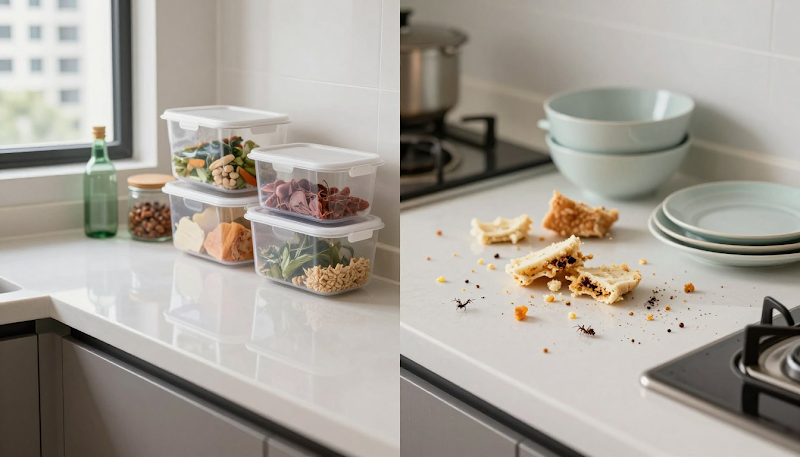
Poor sanitisation habits at home are the leading causes of pest infestation in Singapore households. Cockroaches, ants, and rodents don’t appear randomly as they’re attracted by specific hygiene issues including food residue, moisture accumulation, and household clutter. Understanding the connection between house cleaning and pest prevention helps eliminate conditions that invite unwanted visitors into your living space. This comprehensive guide identifies seven common poor sanitisation habits at home that create pest-friendly environments and provides actionable solutions to protect your household from infestations year-round.
Professional Pest-Prevention Cleaning → Book House Cleaning
Why Do Poor Sanitisation Habits at Home Cause Pest Problems?
Definition Box📌:
Poor sanitisation habits at home are cleaning behaviours or oversights that create conditions favourable for pest survival, including accessible food sources, water access, and shelter opportunities.
Pests require three essentials for survival: food, water, and shelter. Poor sanitisation habits at home provide all three necessities, making your household an attractive destination for cockroaches, ants, flies, and rodents. Singapore’s tropical climate amplifies these causes of pest infestation at home significantly, as warmth and humidity accelerate pest breeding cycles throughout the year.
Every crumb left on counters, every leaky pipe ignored, and every cluttered corner creates opportunities for pests to establish colonies within your home. These hygiene issues that attract pests compound over time, transforming minor cleaning oversights into major infestations requiring professional intervention.
Effective house cleaning and pest prevention addresses these attractants systematically before problems escalate. Regular, thorough cleaning eliminates food sources, removes excess moisture, and destroys hiding spots that pests depend upon for survival and reproduction.
The 7 Most Common Poor Sanitisation Habits at Home
Habit 1: Leaving Dirty Dishes Overnight
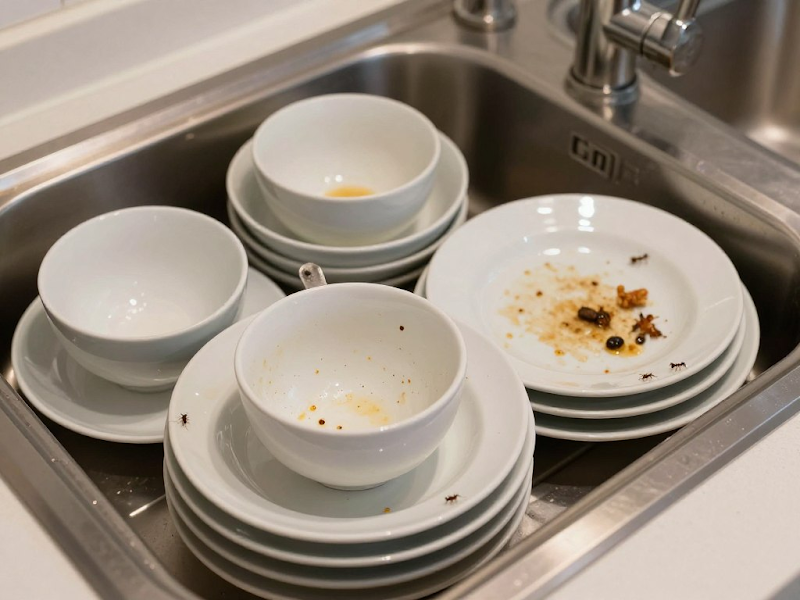
Leaving unwashed dishes in sinks overnight ranks among the most problematic poor sanitisation habits at home affecting Singapore households. Food residue on plates, cutlery, and cookware provides midnight feasts for cockroaches, ants, and flies searching for easy nutrition.
Why this creates causes of pest infestation at home:
Dirty dishes offer easily accessible nutrition that pests quickly locate through scent detection. Cockroaches can detect food particles from significant distances and will travel across your entire kitchen to reach them. Once they discover reliable food sources, they establish nearby nesting sites and begin breeding rapidly.
The moisture from unwashed dishes compounds these hygiene issues that attract pests further. Standing water in sinks and on wet dishes provides drinking sources that pests need daily for survival. This combination of food and water makes your kitchen irresistible to various pest species active during nighttime hours.
House cleaning and pest prevention solution:
Wash dishes immediately after meals or load them into dishwashers promptly. Wipe down sinks thoroughly before bed to remove food particles and excess moisture. This simple change in daily routine dramatically reduces nocturnal pest activity and eliminates a major cause of pest infestation at home.
Related: How Deep Cleaning Services Can Improve Your Home’s Hygiene
Habit 2: Improper Food Storage Practices
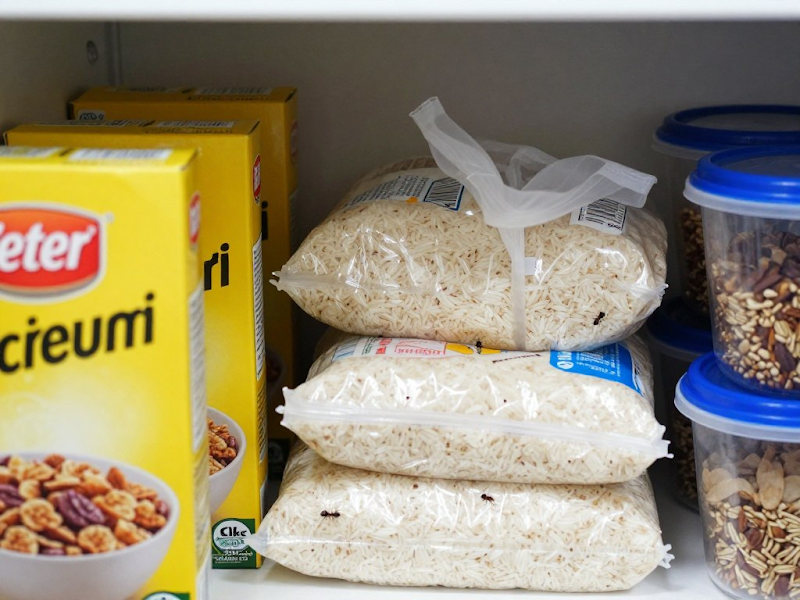
Inadequate food storage represents significant causes of pest infestation at home that many Singapore households overlook entirely. Open packages, unsealed containers, and exposed produce invite pests directly to your food supplies without any barriers.
Common hygiene issues that attract pests through poor storage:
- Cereal boxes and flour bags left open after use
- Fruits ripening in open bowls on kitchen counters
- Pet food left in open bags or bowls overnight
- Pantry items stored in original cardboard packaging
- Leftovers placed in refrigerators without airtight seals
These poor sanitisation habits at home provide pests with accessible nutrition sources requiring minimal effort to exploit. Ants can detect sugar from remarkable distances and will establish organised trails to sweet foods within hours of discovery. Pantry moths lay eggs directly in unsealed grain products. Rodents chew through cardboard packaging to reach stored foods inside.
House cleaning and pest prevention solution:
Transfer dry goods to airtight containers immediately after purchase. Store fruits in refrigerators rather than on counters where they attract flies. Keep pet food in sealed bins and remove uneaten portions promptly each evening. Quality storage containers from suppliers like Nam Yong Hardware help maintain proper food storage standards supporting effective house cleaning and pest prevention.
Citable Excerpt📌:
Proper food storage in airtight containers eliminates the majority of common household pest attractants.
Habit 3: Neglecting Garbage Management
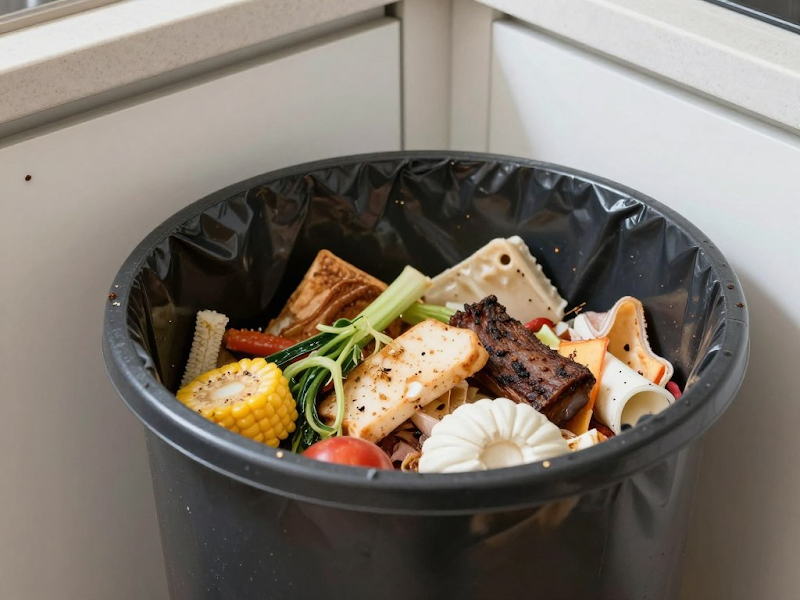
Poor garbage handling creates some of the most severe hygiene issues that attract pests in Singapore homes. Overflowing bins, infrequent disposal schedules, and unsealed bags transform waste areas into active pest breeding grounds.
How garbage becomes causes of pest infestation at home:
Decomposing organic waste produces strong odours that attract flies, cockroaches, and rodents from considerable distances. Singapore’s heat accelerates food decomposition significantly, intensifying these attractant smells within just hours of disposal. Moisture from food waste creates additional appeal for moisture-seeking pest species.
These poor sanitisation habits at home provide pests with concentrated nutrition sources capable of sustaining entire colonies. A single overflowing garbage bin can support cockroach populations and attract rodents seeking easy meals. Flies lay eggs on exposed waste, with populations multiplying rapidly in warm, humid conditions typical of Singapore’s climate.
House cleaning and pest prevention solution:
Empty kitchen bins daily, especially those containing food waste. Use bins with tight-fitting lids that seal odours inside effectively. Clean bins regularly with disinfectant to remove residual attractants that accumulate over time. Store outdoor bins away from entry doors to prevent pest migration indoors when doors open.
Regular Cleaning Prevents Pest Problems → Get Quote
Habit 4: Ignoring Spills and Crumbs
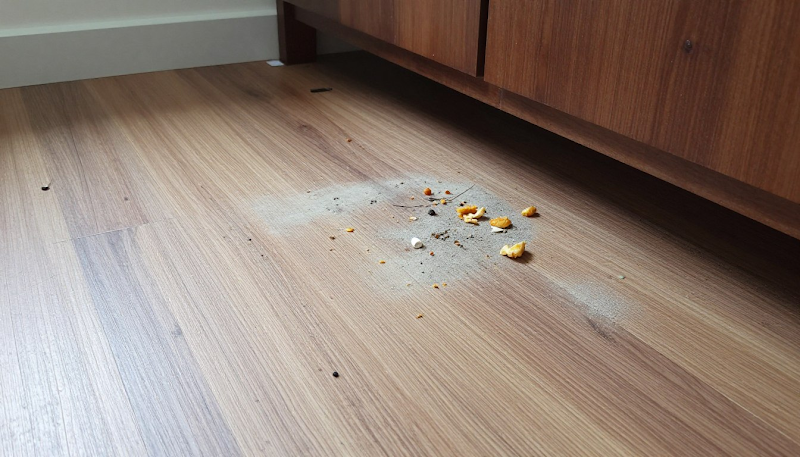
Failing to clean spills and crumbs immediately represents poor sanitisation habits at home that directly feed and sustain pest populations throughout your living space. Every dropped morsel and sticky residue becomes a meal for waiting insects.
Where overlooked food particles create hygiene issues that attract pests:
- Under kitchen appliances and dining furniture
- Behind stoves and refrigerators
- In the dining area carpets and beneath tables
- Around pet feeding stations
- Inside pantry shelves and cabinet corners
These accumulated particles become causes of pest infestation at home by providing scattered food sources throughout multiple areas. Ants establish organised trails to various crumb locations. Cockroaches patrol these areas nightly, feeding on whatever they discover. Even tiny residues sustain pest populations between larger food discoveries.
House cleaning and pest prevention solution:
Clean spills immediately upon occurrence without delay. Sweep or vacuum dining areas thoroughly after every meal. Move appliances periodically to clean accumulated debris underneath and behind them. Regular professional cleaning reaches areas where poor sanitisation habits at home create hidden pest attractants invisible during routine tidying.
Related: Professional Cleaning Tips and Services You Should Know About
Habit 5: Allowing Moisture Accumulation
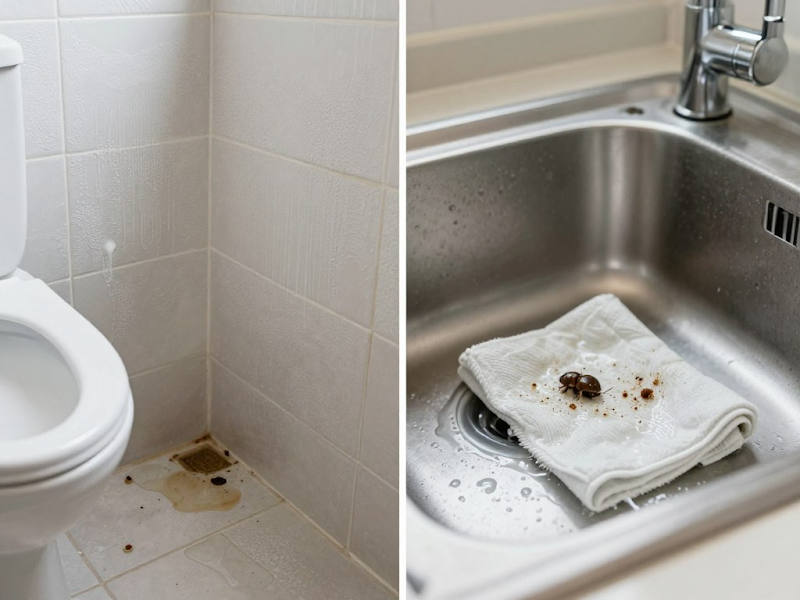
Excess moisture creates hygiene issues that attract pests beyond just cockroaches as it also invites termites, silverfish, and various moisture-loving insects into your home environment. Singapore’s naturally high humidity causes these problems significantly throughout the year.
Common moisture-related poor sanitisation habits at home:
- Leaving wet towels and bath mats on bathroom floors
- Ignoring leaky pipes, faucets, and toilet components
- Not ventilating bathrooms adequately after showers
- Allowing condensation to accumulate on windows and walls
- Neglecting air conditioning drainage maintenance
These moisture issues become serious causes of pest infestation at home by providing essential water sources and creating humid microenvironments pests prefer. Cockroaches can survive weeks without food but only days without water access. Termites require constant moisture to digest wood effectively. Silverfish thrive specifically in damp, dark conditions.
House cleaning and pest prevention solution:
Fix leaks promptly. Even small drips sustain pest populations indefinitely. Ventilate bathrooms thoroughly after bathing to reduce humidity levels. Wipe condensation from windows and walls regularly during humid periods. Ensure proper drainage from air conditioning units to prevent water accumulation.
If structural issues cause persistent moisture problems affecting your home, consider consulting Arktistic Builders for renovation solutions addressing underlying dampness issues permanently.
Habit 6: Cluttered Storage Areas
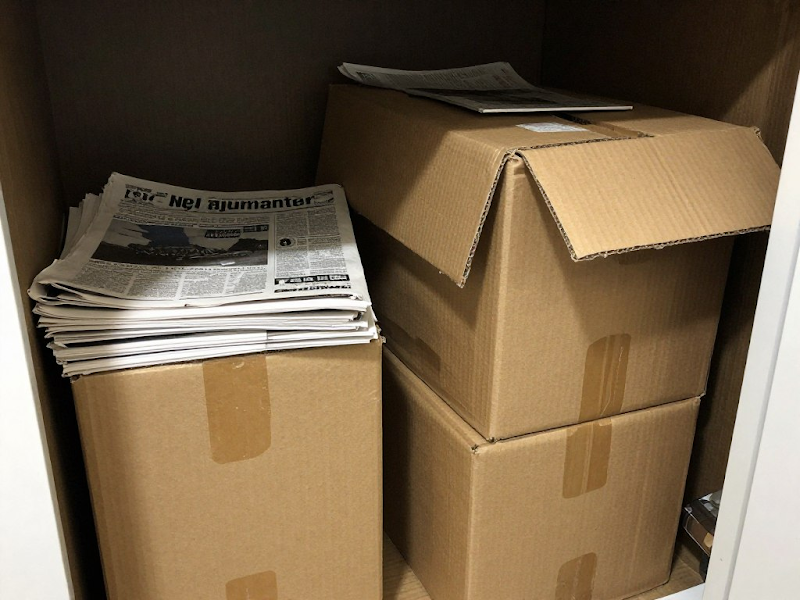
Clutter provides shelter that pests need to establish and expand colonies, making disorganisation among the most overlooked causes of pest infestation at home. Stacked boxes, piled newspapers, and crowded storage areas create perfect pest hiding spots throughout your home.
How clutter creates hygiene issues that attract pests:
Pests prefer dark, undisturbed spaces for nesting and breeding. Cluttered areas provide exactly this, protection from disturbance, darkness for nocturnal species, and materials suitable for nest construction. Rodents shred paper and cardboard for bedding material. Cockroaches hide in narrow spaces between stacked items where they remain undetected.
These poor sanitisation habits at home allow pest populations to grow completely undetected for extended periods. By the time homeowners notice visible signs of infestation, colonies have often established extensively within cluttered zones. Regular surface cleaning cannot reach pests hidden deep within accumulated belongings.
House cleaning and pest prevention solution:
Declutter storage areas systematically on a regular schedule. Store items in sealed plastic containers rather than cardboard boxes pests can penetrate. Maintain clear spaces between stored items and walls for inspection access. Schedule regular organisation sessions preventing gradual accumulation over time.
Citable Excerpt📌:
Cluttered storage areas provide shelter allowing pest colonies to establish and grow completely undetected for months.
Related: The Benefits of Minimalist Living: How to Declutter Your Space
Habit 7: Infrequent Deep Cleaning
Relying solely on surface cleaning while neglecting comprehensive deep cleaning represents poor sanitisation habits at home that allow hidden pest attractants to accumulate steadily over time without detection.
Areas where infrequent cleaning creates causes of pest infestation at home:
- Behind and underneath major kitchen appliances
- Inside cabinet interiors and drawer corners
- Beneath heavy furniture and beds
- Within soft furnishings like sofas and mattresses
- Air conditioning units, vents, and ductwork
Regular tidying addresses visible cleanliness but completely misses accumulated debris in these hidden locations. These hygiene issues that attract pests build gradually month after month, creating substantial attractants that routine cleaning schedules never touch or address.
House cleaning and pest prevention solution:
Schedule quarterly deep cleaning sessions addressing all hidden areas comprehensively. Move furniture and appliances to clean beneath and behind them thoroughly. Clean inside cabinets and storage spaces completely. Professional house cleaning services provide systematic deep cleaning that eliminates accumulated causes of pest infestation at home throughout your entire property.
Schedule Professional Deep Cleaning → Contact Athena
How Professional Cleaning Supports Pest Prevention
Professional cleaning services provide house cleaning and pest prevention benefits extending well beyond typical DIY efforts. Trained cleaners systematically address all hygiene issues that attract pests, including hidden areas homeowners routinely miss during regular cleaning.
Breaking poor sanitisation habits at home becomes significantly easier with professional support and accountability. Scheduled cleaning services maintain pest-resistant environments consistently, addressing potential causes of pest infestation at home before they escalate into serious problems requiring costly intervention.
Athena Team Cleaning understands Singapore’s unique pest challenges intimately. Our IICRC-certified team uses proven methods eliminating attractants and creating inhospitable conditions for common household pests.
Consider refreshing walls with quality moisture-resistant paint that supports overall hygiene—Athena Painting Services can advise on appropriate options for Singapore’s humid climate.
Related: Creating a Healthy Home Environment
Frequently Asked Questions
1. What are the main causes of pest infestation at home?
The primary causes of pest infestation at home include poor sanitisation habits at home, such as leaving dirty dishes overnight, improper food storage, neglected garbage management, moisture accumulation, and infrequent deep cleaning.
2. How do hygiene issues attract pests to my home?
Hygiene issues that attract pests provide the three essential pests require: food from crumbs and spills, water from moisture and leaks, and shelter from clutter and undisturbed hiding spaces.
3. Can regular cleaning really prevent pest infestations?
Yes, consistent house cleaning and pest prevention practices eliminate the attractants pests depend upon for survival. Breaking poor sanitisation habits at home is often more effective than reactive pest treatments after infestations occur.
4. How often should I clean deeply to prevent pests?
Deep clean quarterly at minimum to address hidden causes of pest infestation at home. Monthly professional cleaning provides optimal protection against hygiene issues that attract pests throughout the year.
Protect Your Singapore Home from Pest Infestations
Understanding the connection between poor sanitisation habits at home and pest problems empowers you to take effective preventive action. Every habit you correct eliminates causes of pest infestation at home and creates environments where pests simply cannot thrive or reproduce.
Athena Team Cleaning brings over a decade of experience supporting Singapore households with professional house cleaning and pest prevention services. Our systematic approach addresses all hygiene issues that attract pests comprehensively, from kitchen deep cleaning to whole-home sanitisation programmes.
Break the cycle of poor sanitisation habits at home with professional support. Experience the peace of mind that comes from maintaining a professionally cleaned, pest-resistant home environment.
Start Pest-Prevention Cleaning → Contact Athena
Related Resources:
- Odour Treatment Program
- Effective Odour Removal Tips
- View Our Before & After Gallery
- Read Customer Reviews
Explore Our Cleaning Services:
- House Cleaning Services →
- Deep Cleaning Services →
- Post Renovation Cleaning →
- Move-Out Cleaning →
- Sanitization Services →
- Carpet Cleaning →
- Upholstery Cleaning →
- Mattress Cleaning →
- Office Cleaning Services →
Learn More About Athena Team Cleaning:
- About Athena Team Cleaning Services →
- Our Cleaning Solutions →
- Before & After Gallery →
- Client Testimonials →
- Cleaning Tips Blog →
Call us at: +65 9247 1009
Email us at: athenateamcleaning@gmail.com
Visit our website: www.athenacleaningservices.sg
Address: 2 Venture Drive, #14-02, Vision Exchange, Singapore 608526
Website: www.athenacleaningservices.sg